Chile's tender for new electricity transmission works, run by the National Electricity Coordinator (Coordinador Eléctrico Nacional), ended with every group awarded. The 10 groups of works that received bids were all assigned, covering 17 projects with a reference investment value of US$475 million, the National Energy Commission (CNE) said on 3 November 2026.
Celeo and Engie won the most groups, with three each. Transemel, Alupar, Cox Chile and Ferrovial took one each. Of the 17 projects, 16 come from the 2024 Expansion Plan and one from the 2023 Expansion Plan, and they are defined in Energy Ministry decrees No. 13/2025 and No. 354/2025.
US$475 M
Reference investment
Value of the 17 projects
17
Projects awarded
16 from the 2024 plan and 1 from the 2023 plan
10
Groups awarded
Every group that received bids
6
Winning companies
Celeo and Engie, with three groups each
Source: CNE, 3 November 2026
View the data as a table
| Reference investment | US$475 M · Value of the 17 projects |
| Projects awarded | 17 · 16 from the 2024 plan and 1 from the 2023 plan |
| Groups awarded | 10 · Every group that received bids |
| Winning companies | 6 · Celeo and Engie, with three groups each |
Who won the transmission tender
The Coordinator opened the economic bids on 3 November, the date set in the process calendar. According to the terms published when the international tender was launched, bids were submitted on 2 September and technical offers opened on 3 September; at that point the package was estimated at about US$480 million for 17 line and substation works.
| Company | Groups awarded | Note |
|---|---|---|
| Celeo | 3 | Transmission company with works under construction in south-central Chile |
| Engie | 3 | Generator and transmission company |
| Transemel | 1 | Transmission company |
| Alupar | 1 | Brazilian transmission group |
| Cox Chile | 1 | First win in these tenders |
| Ferrovial | 1 | Spanish infrastructure group |
| Total | 10 groups | 17 projects, US$475 million |
Source: CNE, 3 November 2026. The CNE did not publish the details of each work or the amount per group in its statement; these should appear in the Coordinator's award record and later in the Energy Ministry decree.
The CNE highlighted two signals from the process. The first is the arrival of new participants: Cox Chile and Inergy Solutions submitted bids, and Cox won a group. The second is competition: several groups, especially national system works and some zonal projects, saw narrow gaps between economic bids. For the regulator, awarding every group that received bids is a positive signal for infrastructure in Chile's National Electricity System (SEN).
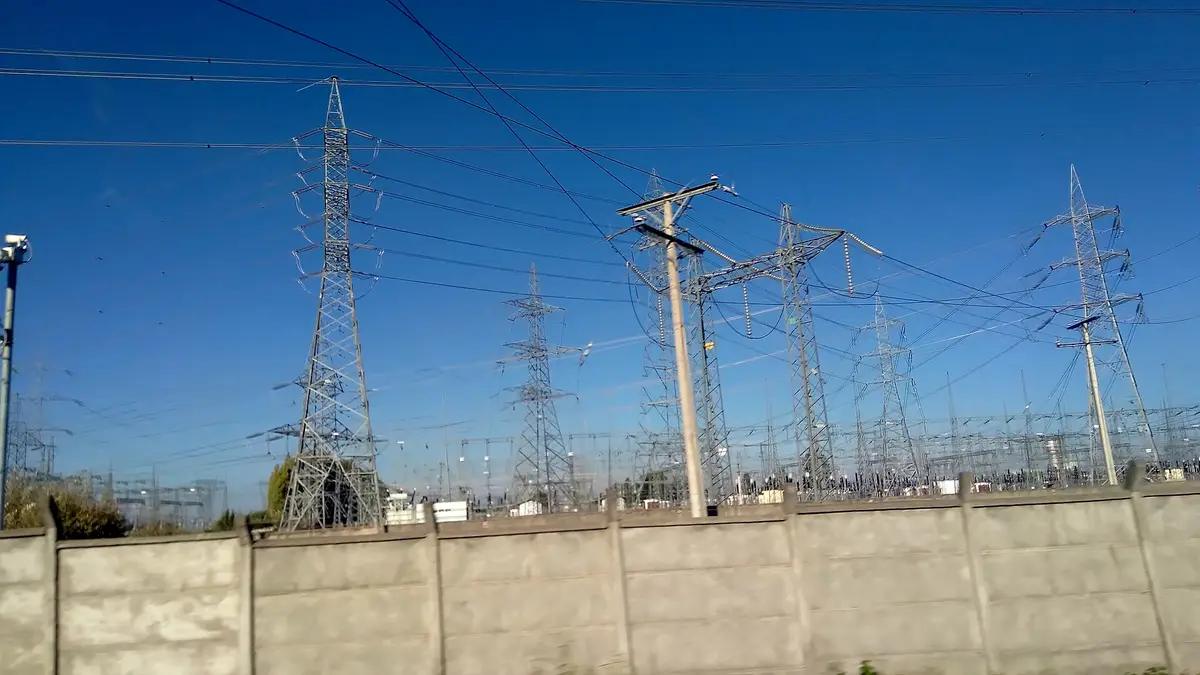
What comes after the transmission tender
The awards are not final yet. Three more steps remain:
- The National Electricity Coordinator sends the award file to the CNE.
- The CNE prepares a report for the Energy Ministry.
- The Ministry issues the award decree, which formalises the results and sets the operating rights for each work.
Once the decree is published, each company must build its works within the deadlines set in the tender terms. For new works, the winner gets the right to operate the facility and to collect the value of its bid for the period set by law, so the price offered in the tender becomes part of what consumers pay for transmission.
Why it matters: a grid that cannot keep up
The tender comes in a year of heavy grid investment. Transmission works under construction went from 22 projects and US$347 million in January to 48 projects and US$3.276 billion in September, according to the Energy Ministry, a jump we explained in the transmission investment that grew ninefold in 2026.
The urgency is in the north, where solar power cannot reach consumption centres. A Deloitte report estimated that curtailment (renewable energy lost for lack of transmission capacity or demand) reached 6,205 GWh in 2025, 71% of it solar, as we detailed in Deloitte's analysis of transmission.
| Indicator | Figure | Source and date |
|---|---|---|
| Reference investment in this tender | US$475 million | CNE, 3 Nov 2026 |
| Transmission works under construction | 48 projects, US$3.276 billion | Energy Ministry, Sep 2026 |
| Renewable energy curtailment | 6,205 GWh (71% solar) | Deloitte, 2025 |
| Supply interruption hours per customer | 15.2 hours a year | Energy Ministry, Nov 2026 |
| Interruption target for 2035 | 4 hours a year | Energy Ministry, Nov 2026 |
Does your company build, operate or supply transmission works? Reach Energía Futura's readers.
See advertising optionsThe concession proposal for transmission
On the same day as the economic bid opening, Energy Minister Ximena Rincón presented to the Infrastructure Policy Council (CPI) a proposal to speed up power lines with a scheme similar to public works concessions: the State prepares strategic projects and private companies build and operate them, Reporte Minero reported.
The aim is to cut delays caused today by land purchases, easements and environmental reviews. The related target is to reduce supply interruptions from 15.2 hours a year to a maximum of 4 hours a year by 2035, with grids that are more resilient to extreme weather. The minister had already floated this idea alongside the working group with generators that starts on 9 November.
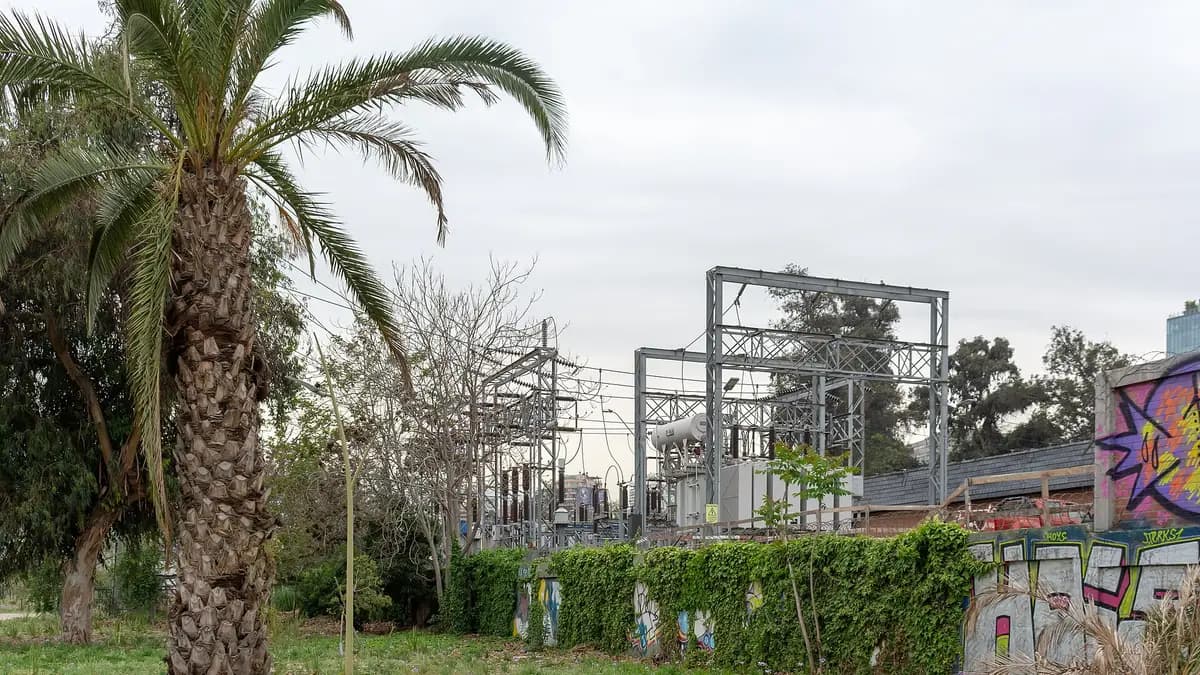
How a new transmission works tender works in Chile
In Chile, transmission planning starts with the annual expansion plan that the CNE draws up from a proposal by the Coordinator. Once set by an Energy Ministry decree, works fall into two types: upgrades to existing facilities, tendered by the owner of the line or substation, and new works, tendered by the Coordinator in an open international process.
Bids are assessed in two stages: first the technical stage, which qualifies participants, and then the economic stage, won by whoever offers the lowest annual value for the work. This time the works were bundled into groups so companies could bid for packages; every group that received bids was awarded, although the CNE did not say whether any groups were left unawarded for lack of bidders.
Transmission tenders have become one of the main ways the country adds capacity to move renewable power from the desert north and the windy south to Santiago and other demand centres. Delays in these works are a recurring theme in the sector, because a line can take longer to permit and build than the solar or wind farms it is meant to connect.
Frequently asked questions
How much is the awarded transmission tender worth?
US$475 million in reference investment, spread across 17 projects and 10 groups, according to the CNE.
Which companies won?
Celeo and Engie (three groups each) and Transemel, Alupar, Cox Chile and Ferrovial (one each).
Are the awards final?
No. The Coordinator must send the file to the CNE, the CNE must report to the Energy Ministry, and the Ministry must issue the award decree.
What is the 4-hour target for 2035?
It is the Energy Ministry's goal to cut the average time without power per customer from 15.2 hours a year to 4 hours a year by 2035, with grids more resistant to extreme weather.