Chile's competition authority, the National Economic Prosecutor's Office (FNE), cleared without conditions the deal between Aceros AZA and CAP Group over the Huachipato steelworks in Talcahuano. The FNE concluded the agreement is not likely to substantially reduce competition, Reporte Minero reported on 4 November 2026. AZA is now closer to taking over 91 hectares of the complex, the steel shop and two rolling mills.
The project aims to produce green steel: steel made from recycled ferrous scrap instead of iron ore and coal. In a first stage it will use the existing rolling capacity and, later, an electric arc furnace could be built, subject to technical studies and market conditions.
US$484 M
Total deal value
AZA's assets plus Huachipato's
US$130 M
What CAP receives
15% of AZA, cash and a contingent payment
91 ha
Land moving to AZA
About 20% of the 443 ha complex
US$250 M
Electric arc furnace
Estimated investment, at a later stage
Source: Emol, 23 September 2026 and Reporte Minero
View the data as a table
| Total deal value | US$484 M · AZA's assets plus Huachipato's |
| What CAP receives | US$130 M · 15% of AZA, cash and a contingent payment |
| Land moving to AZA | 91 ha · About 20% of the 443 ha complex |
| Electric arc furnace | US$250 M · Estimated investment, at a later stage |
What the FNE cleared in the Huachipato purchase
The FNE had opened its review of the deal in September, after deeming the merger filing complete, according to Emol. The transaction combines two sets of assets:
- From Huachipato (CAP Group): the steel shop, two rolling mills and 91 hectares of the site, about 20% of a 443-hectare complex.
- From Aceros AZA: its two plants in the Santiago Metropolitan Region, in Colina and Renca, and its national scrap collection and processing network, valued at US$354 million.
| Component | Value | Detail |
|---|---|---|
| Total deal value | US$484 million | Sum of the combined assets |
| AZA contribution | US$354 million | Colina and Renca plants and scrap network |
| Consideration to CAP | US$130 million | Combined payments |
| AZA shares for CAP | 15% (US$62.5 million) | Can rise to 20% if the electric steel shop is built |
| Cash payment | US$25 million | At closing |
| Contingent payment | US$42.5 million | Subject to conditions |
Source: Emol, 23 September 2026, with data from the FNE filing. Other steps remain: both companies must meet the deal's other conditions, and CAP must reorganise Huachipato's corporate structure to carve out the assets moving to AZA. "The FNE's approval is a key step to keep moving towards closing this transaction," said Nicolás Burr, CEO of CAP Group, quoted by Reporte Minero.
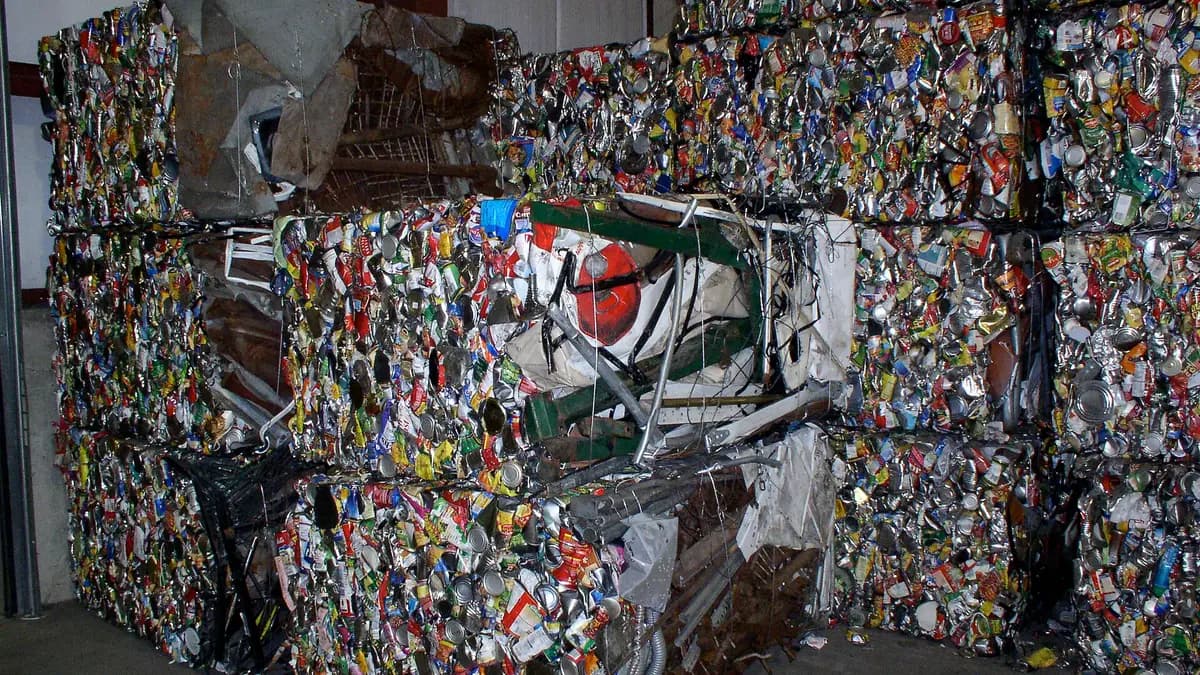
Why scrap-based steel emits less
Huachipato used the traditional blast furnace and basic oxygen furnace route (BF-BOF), which reduces iron ore with coal. It is the most common route worldwide, about 73% of output, and the most polluting: around 2.3 tonnes of CO₂ per tonne of steel, according to a compilation by Columbia University's Center on Global Energy Policy using World Steel Association data.
A scrap-fed electric arc furnace skips the ore reduction step: it melts existing steel with electricity. According to the same source, it emits about 0.70 tonnes of CO₂ per tonne, roughly 70% less. And because its main energy input is electricity, its emissions fall further when the grid is renewable, as in Chile, where renewables supplied more than 80% of generation in September.
| Steelmaking route | Emissions (t CO₂ per t of steel) | Main input |
|---|---|---|
| Blast furnace and basic oxygen furnace (BF-BOF) | 2.30 to 2.33 | Iron ore and coal |
| Direct reduction and electric furnace (DRI-EAF) | 1.40 | Iron ore and gas or hydrogen |
| Scrap and electric arc furnace (EAF) | 0.70 | Scrap and electricity |
Source: Center on Global Energy Policy, Columbia University (2024), with data from the World Steel Association, IEA and IEEFA. Figures vary depending on how emissions are measured (scopes 1 and 2) and on the source of electricity. The comparison is similar to the one in the carbon footprint of Chilean copper, where clean electricity has already cut emissions per tonne.
Does your company work in mining, metals or the circular economy? Reach Energía Futura's readers.
See advertising optionsThe phased green steel plan
According to what the companies reported in June, the first stage would use Huachipato's rolling mills for about 200,000 tonnes of steel a year. The second is the electric arc furnace, with an estimated investment of US$250 million, a capacity of at least 500,000 tonnes and the possibility of reaching around 700,000, as Burr told reporters in June. The furnace needs an environmental permit and, according to what was reported then, could start operating within five to seven years.
Huachipato stopped producing steel in September 2024, after years of losses that the company blamed on competition from low-priced imported steel. For the Biobío region, the return of production, even with a different technology and on a smaller scale, is a signal for regional industry.
Green steel and sustainable mining
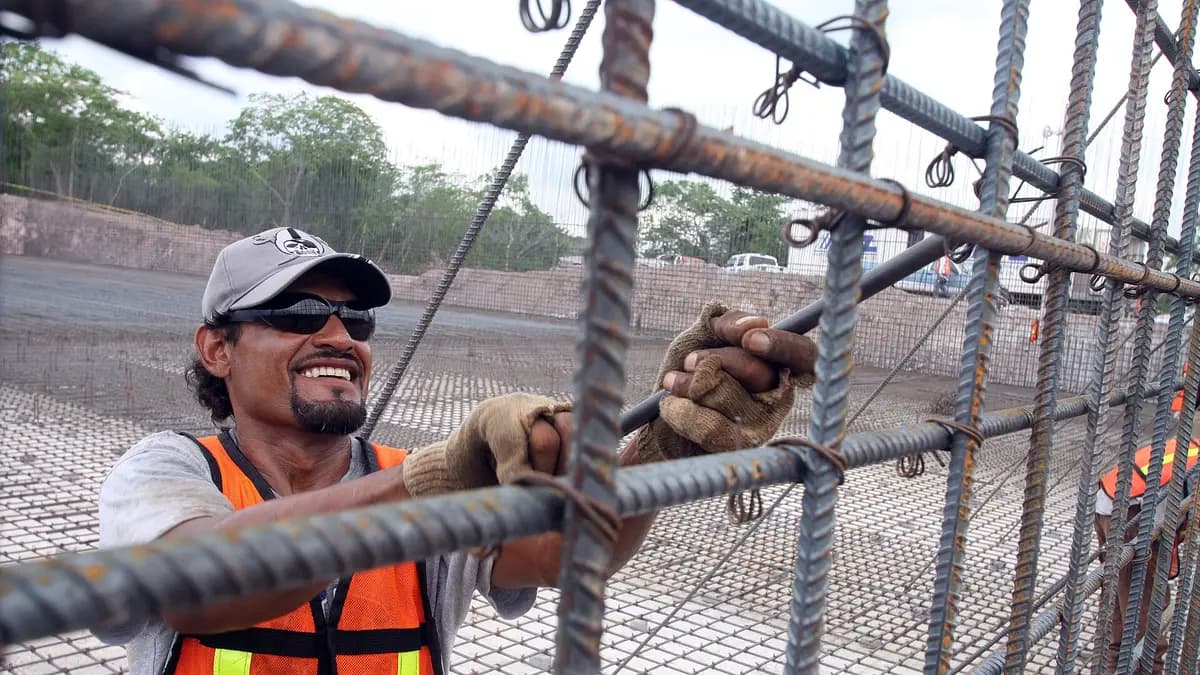
CAP is also Chile's main iron ore producer, and steel is a key input for the energy transition: transmission towers, solar farm structures and wind turbine towers, which in the largest wind turbines in the world stand more than 100 metres tall. Making it with scrap and renewable electricity lowers the footprint of those projects. Chilean mining is already moving that way with clean supply contracts, as we showed in how much renewable energy each major miner uses.
CAP Group itself has shifted other businesses towards clean energy. Its Aguas CAP desalination plant in Atacama announced in March 2026 that it would run on 100% renewable electricity under contracts with Atlas Renewable Energy and AES Andes, avoiding more than 47,000 tonnes of CO₂ a year, Reporte Minero reported. With the blast furnace gone, the group leaves behind its most coal-intensive business.
The key to AZA's model is scrap: without a broad collection network, an electric arc furnace has no feedstock. That is why the company brings its national collection and processing network, which today supplies its Colina and Renca plants, into the deal. Steel can be recycled many times without losing its properties, making it one of the clearest cases of the circular economy in heavy industry.
Frequently asked questions
What did the FNE approve?
It cleared without conditions the deal under which Aceros AZA takes over Huachipato's steel shop, two rolling mills and 91 hectares, in exchange for shares and payments to CAP Group.
What is green steel?
Steel produced with low emissions. In this case, from recycled scrap melted in an electric arc furnace, which emits about 70% less CO₂ than a blast furnace.
When will Huachipato produce again?
The first stage would use the existing rolling mills once the deal closes. The electric furnace needs an environmental permit and was estimated to take five to seven years.
How much is the deal worth?
US$484 million in total; CAP receives US$130 million in shares, cash and a contingent payment.