Transelec, Chile's largest power transmission company, placed UF 6 million, about US$250 million, in Series AD bonds on the local market. The bonds have a 25-year term, maturing in 2051, and were awarded at an average rate of UF + 3.5%. Demand reached around UF 14 million, 2.3 times the amount placed, Revista Electricidad reported on 3 November 2026. The UF is Chile's inflation-indexed unit of account.
The rate came in 35 basis points below the one originally registered, a sign that institutional investors such as pension funds and insurers still see transmission as a regulated, low-risk business. The funds will be used to finance investment and for general corporate purposes.
UF 6 M
Amount placed
About US$250 million
2.3 times
Demand
About UF 14 million in bids
25 years
Term
Matures in 2051, bullet repayment
UF + 3.5%
Average rate
35 bp below the registered rate
Source: Revista Electricidad, 3 November 2026
View the data as a table
| Amount placed | UF 6 M · About US$250 million |
| Demand | 2.3 times · About UF 14 million in bids |
| Term | 25 years · Matures in 2051, bullet repayment |
| Average rate | UF + 3.5% · 35 bp below the registered rate |
The terms of the Transelec bonds
The bond is a bullet: Transelec pays only interest during its life and repays the full principal at maturity, in 2051. The company may prepay it from 2029, with the compensation set in the issue. The placement agents were Santander and Banchile.
| Term | Detail |
|---|---|
| Series | AD |
| Amount | UF 6 million (~US$250 million) |
| Term | 25 years, maturing in 2051 |
| Repayment | Bullet (principal at the end) |
| Prepayment | Possible from 2029 |
| Average placement rate | UF + 3.5% |
| Difference from registered rate | -35 basis points |
| Demand | ~UF 14 million (2.3 times) |
| Credit rating | AA+ (Feller Rate and Humphreys), AA (Fitch) |
| Placement agents | Santander and Banchile |
Source: Transelec via Revista Electricidad, 3 November 2026. Because the bond is denominated in UF, the principal is adjusted for inflation: for investors it is a real return of 3.5% a year; for Transelec, debt aligned with its regulated revenues, which are also indexed.
"The placement is part of Transelec's financing strategy to support the development of its investments," said the company's CEO, Arturo Le Blanc. The company added that it continues to diversify its sources of funding.
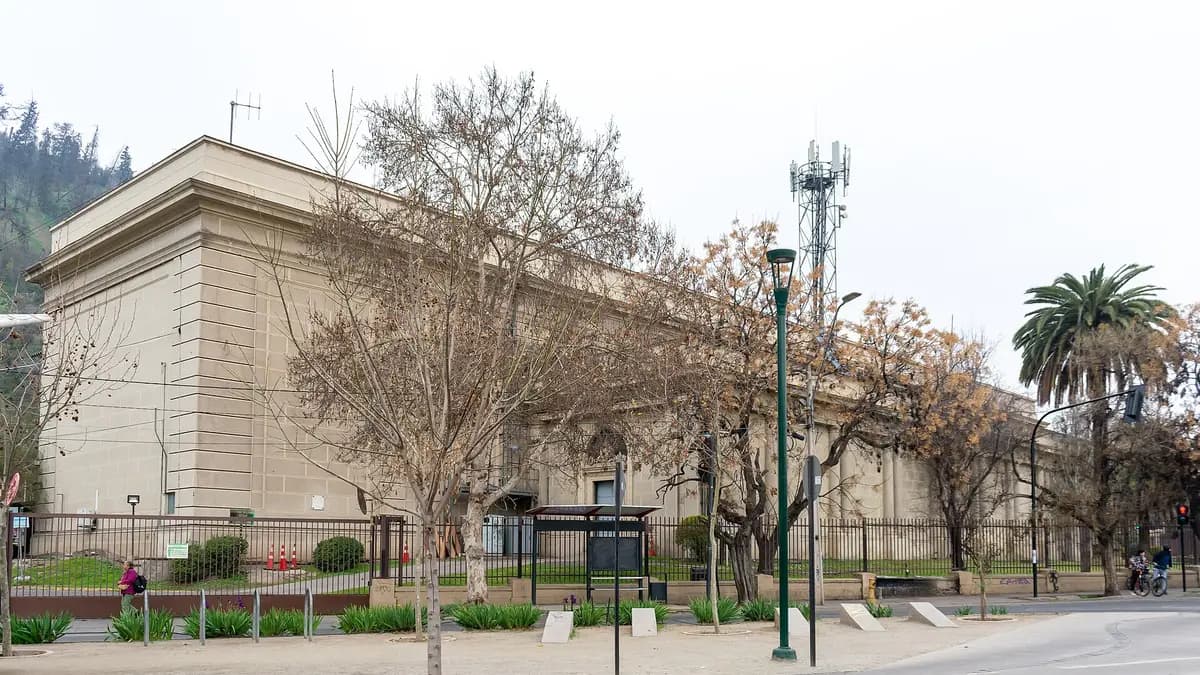
Transelec in figures
Transelec operates more than 10,700 kilometres of lines and 80 substations between Arica and Chiloé. In the twelve months to June 2026 it had revenues of CLP 508 billion and EBITDA of CLP 430 billion, according to the placement information. In 2025, its facilities connected 364 MW of renewable energy to the grid for the first time.
| Indicator | Figure |
|---|---|
| Transmission lines | more than 10,700 km |
| Substations | 80 |
| Coverage | Between Arica and Chiloé |
| Revenues (12 months to June 2026) | CLP 508 billion |
| EBITDA (12 months to June 2026) | CLP 430 billion |
| Renewables connected for the first time in 2025 | 364 MW |
Source: Transelec via Revista Electricidad. An EBITDA margin of about 85% is typical of transmission, a business with long-lived assets and regulated tariffs, which explains why it can borrow for 25 years.
Does your company finance or develop energy infrastructure? Reach Energía Futura's readers.
See advertising optionsTransmission and batteries: where the investment goes
The company did not give amounts, but said the financing supports investment projects in transmission and batteries. The sector is in a strong investment cycle: works under construction went from US$347 million in January to US$3.276 billion in September 2026, according to the Energy Ministry, as we explained in the jump in transmission investment.
The placement coincides with the close of the new transmission works tender that awarded 17 projects worth US$475 million, in which Transelec is not among the winners, and with the debate on how to speed up line construction to reduce curtailment of solar power in the north.
How much Transelec will pay on these bonds
At a rate of UF + 3.5% on UF 6 million, interest comes to about UF 210,000 a year, equal to roughly US$8.75 million a year at the exchange rate implied in the placement. Over 25 years, that is about UF 5.25 million in interest, plus repayment of the UF 6 million at the end. These are simple Energía Futura calculations based on the reported terms; the effective cost depends on fees and the exact payment schedule, which were not published.
The figure analysts watch most is the spread: the final rate landing 35 basis points below the registered one shows demand was stronger than expected and that the local market has an appetite for very long-term infrastructure debt. For a company that needs to refinance and grow, borrowing for 25 years reduces the risk of having to tap the market at a bad moment.
Transelec is owned by a group of international infrastructure investors, including the Canadian pension funds CPP Investments, BCI and PSP Investments and China's China Southern Power Grid International, according to the company's corporate information. Owners with long horizons are also part of what rating agencies value.
Why transmission bonds attract investors
A transmission company's revenue does not depend on how much energy flows through its lines but on the annual transmission value set by regulation or awarded in tenders. That provides stable cash flows for decades, matching the long-term liabilities of pension funds and insurers. The AA+ and AA ratings reflect that profile. For the power system, cheap debt for these companies matters: the cost of capital ends up, in part, in what consumers pay for transmission. Competition in tenders is also watched by the authorities, as we reported in the review of tender rules by the FNE and the Coordinator.
Frequently asked questions
How much did Transelec place in bonds?
UF 6 million, about US$250 million, in the 25-year Series AD.
At what rate?
At an average rate of UF + 3.5%, 35 basis points below the registered rate.
How much demand was there?
About UF 14 million, 2.3 times the amount placed.
What will the funds be used for?
To finance investment, which the company links to transmission and batteries, and for general corporate purposes.
What credit rating do Transelec's bonds have?
AA+ from Feller Rate and Humphreys, and AA from Fitch, according to the placement information.