Colbún is preparing its next stage beyond traditional power generation. On its call with analysts on third-quarter results, the Chilean generator said it is exploring mergers and acquisitions in Peru, aims to expand into a third country by 2030 and is considering entering businesses such as water treatment or conveyance for data centers, Diario Financiero reported on November 2, 2026.
“We expect to move into other areas of business and, perhaps, expand our operations to a third country,” said Miguel Alarcón, head of Finance and Administration. The company did not say which country it is considering. Board chairman Hernán Rodríguez said that “Peru is clearly part of our business today and we want to keep growing.”
US$196.6 M
Quarterly EBITDA
+55% vs. Q3 2025
US$72.4 M
Quarterly net income
US$25.3 M a year earlier
US$460 M
Two batteries under way
Celda Solar and Diego de Almagro Sur
US$140 M
Planned 2027 capex
With no new investment decisions
Source: Reporte Minero and Diario Financiero
View the data as a table
| Quarterly EBITDA | US$196.6 M · +55% vs. Q3 2025 |
| Quarterly net income | US$72.4 M · US$25.3 M a year earlier |
| Two batteries under way | US$460 M · Celda Solar and Diego de Almagro Sur |
| Planned 2027 capex | US$140 M · With no new investment decisions |
Colbún's plans in Peru
Peru is currently Colbún's only market outside Chile. There it runs Fenix, a 572 MW natural gas combined-cycle plant in Chilca, south of Lima, which it came to own 100% of after buying in 2025 the 41.4% stake held by an Abu Dhabi fund, according to the company's April 2025 release.
The subsidiary also has a pipeline of renewable projects in Peru, including wind and solar parks in Ica, Arequipa and Piura at different permitting stages. In the third quarter, Colbún won supply contracts in Peru with 11 customers for 17.9 MW, according to Reporte Minero. Now the company says it is looking at asset purchases in that country.
Fenix combines two gas turbines and one steam turbine of about 190 MW each and is cooled with seawater. As a thermal plant, its results depend on gas prices and on demand in the Peruvian system. That is why the subsidiary's wind and solar pipeline is the company's route to grow in renewables outside Chile, in a market where power generation rose 6.1% in August 2026 with thermal and solar contributions, according to Reporte Minero.
| Front | What Colbún said | Source |
|---|---|---|
| Peru | Exploring mergers and acquisitions and growing on its pipeline | Diario Financiero, Nov 2, 2026 |
| Third country | Wants to add one more geography by 2030; did not say which | Diario Financiero |
| New businesses | Water treatment or conveyance for data centers or related technologies | Diario Financiero |
| Chile | A couple of environmentally approved projects await an investment decision | Diario Financiero |
| Gas in 2027 | Interruptible contracts with Argentine suppliers, no firm commitments | Diario Financiero |

A quarter with more water and more batteries
The plans follow a strong quarter. Colbún posted EBITDA of US$196.6 million between July and September, 55% more than a year earlier, with revenue of US$468.4 million (+21%) and net income of US$72.4 million, against US$25.3 million in the same period of 2025. Its generation in Chile grew 37% thanks to better hydrological conditions, the contribution of the Horizonte wind farm and the return of the Santa María plant.
The detail of those results, including generation by technology and the marginal cost, is in our story on Colbún's third-quarter profit.
| Third-quarter indicator | Q3 2026 | Q3 2025 |
|---|---|---|
| EBITDA | US$196.6 million | US$126.6 million |
| Revenue | US$468.4 million | — |
| Net income | US$72.4 million | US$25.3 million |
| January-September EBITDA | US$486.1 million | +9% year on year |
| Customers in Chile | 108, with 1,591 GWh contracted in 2026 | — |
Source: Reporte Minero, with data from Colbún's results report as of September 30, 2026. The company also renewed its contract with CMPC for 850 GWh a year.
Colbún's batteries and 2027 investment
Colbún is finishing two battery energy storage systems: Celda Solar and BESS Diego de Almagro Sur, each of 228 MW and 912 MWh, together worth about US$460 million. As of September 30, Celda Solar was 96% complete and had finished its tests, and Diego de Almagro Sur was at 79%, with cold commissioning under way.
With no new investment decisions, capital spending next year would fall to about US$140 million. Even so, financial operations manager Soledad Errázuriz said “we will need to tap the capital markets for additional financing.” Alarcón pointed to greater competition in the sector and a conservative financial policy that keeps liquidity for new projects and for price volatility.
The shift towards batteries has already reshaped the company's portfolio: in late October Colbún decided not to proceed with the Paposo pumped-storage plant in Antofagasta, as we reported in our story on the end of the US$1.4 billion Paposo project.
Why water for data centers
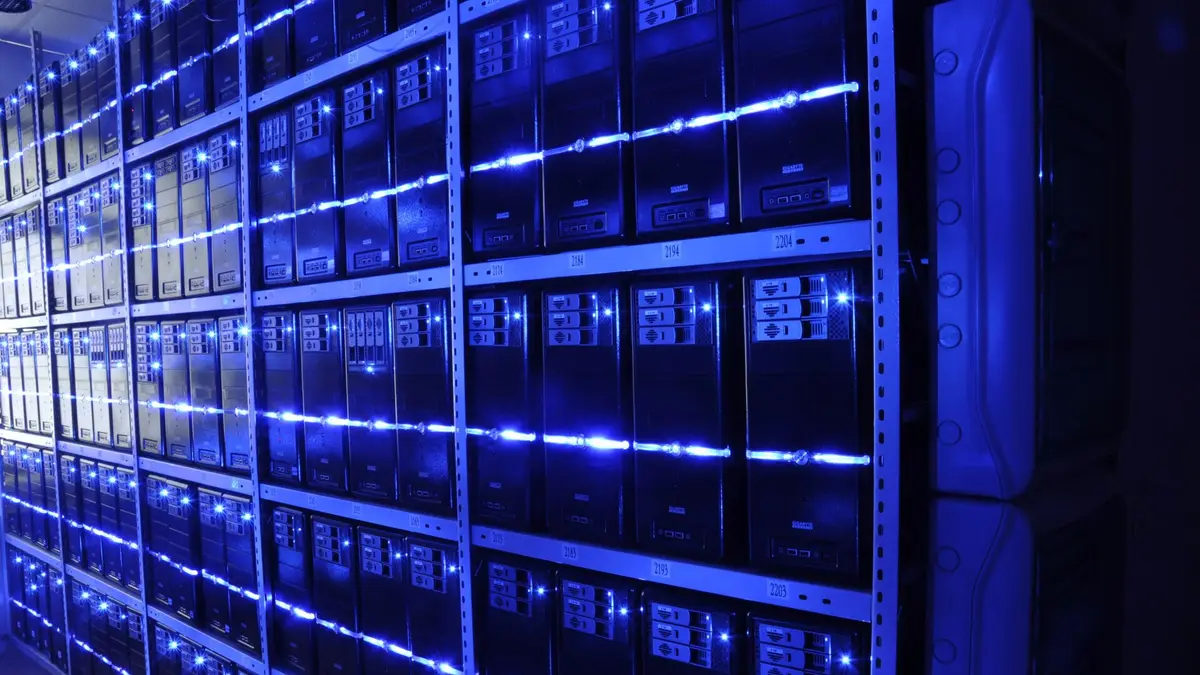
Data centers need large amounts of electricity and, depending on the cooling technology, water as well. Demand from these facilities is one of the government's priorities: the energy minister announced she will speed up a data center working group with the Science and National Assets ministries, as we reported in our story on the talks with generators and the trip to Bolivia.
Colbún gave no amounts or timelines for that business. Alarcón presented it as one of the options to “add other segments” along with other technologies related to its operations, which already include hydroelectric plants that manage reservoirs and canals.
On gas, the company will keep contracts next year with triple-A rated Argentine suppliers, but without firm commitments: they will be interruptible and leave it room to operate in the Chilean spot market.
Does your company invest in generation, storage or data center infrastructure? Reach Energía Futura's readers.
See advertising optionsFrequently asked questions about Colbún
Which countries does Colbún operate in?
Chile and Peru, where it fully owns the 572 MW Fenix plant. It wants to add a third country by 2030.
Which would be the third country?
The company has not said. Its CEO said in 2025 that its radar covers the whole region.
How much did Colbún earn in the third quarter of 2026?
US$72.4 million, almost triple a year earlier, with EBITDA of US$196.6 million.
Which batteries is it building?
Celda Solar and Diego de Almagro Sur, each of 228 MW and 912 MWh, for about US$460 million combined.
What is Fenix?
A 572 MW natural gas combined-cycle plant in Chilca, south of Lima, Colbún's Peruvian subsidiary.