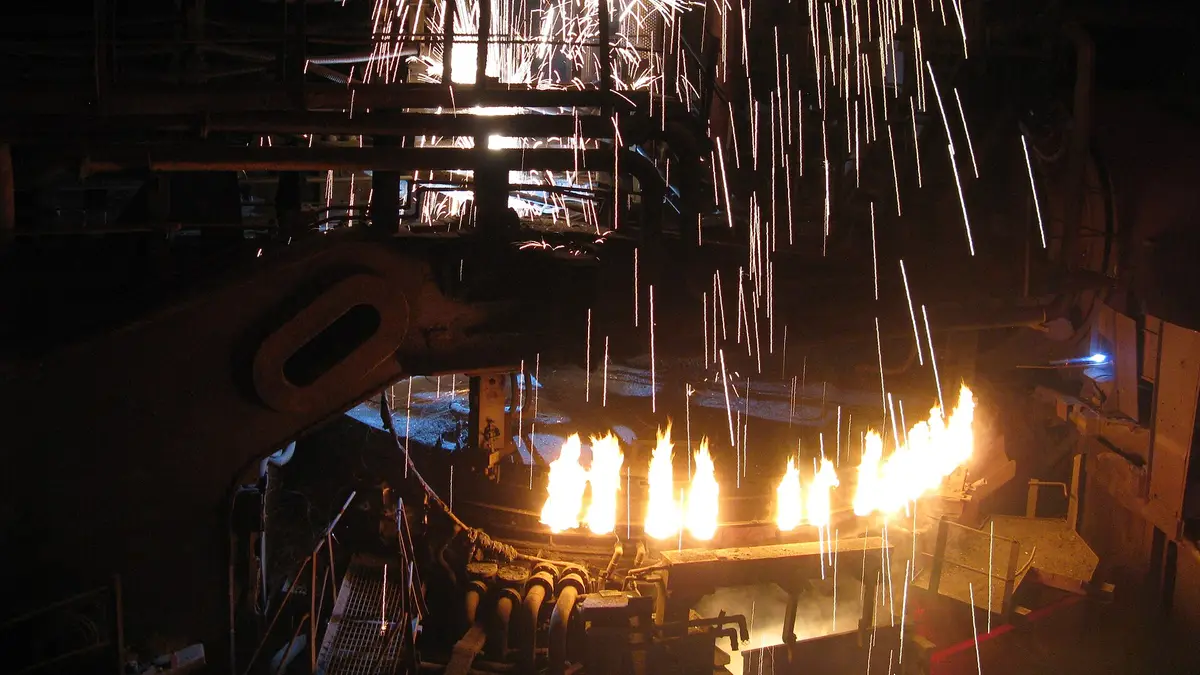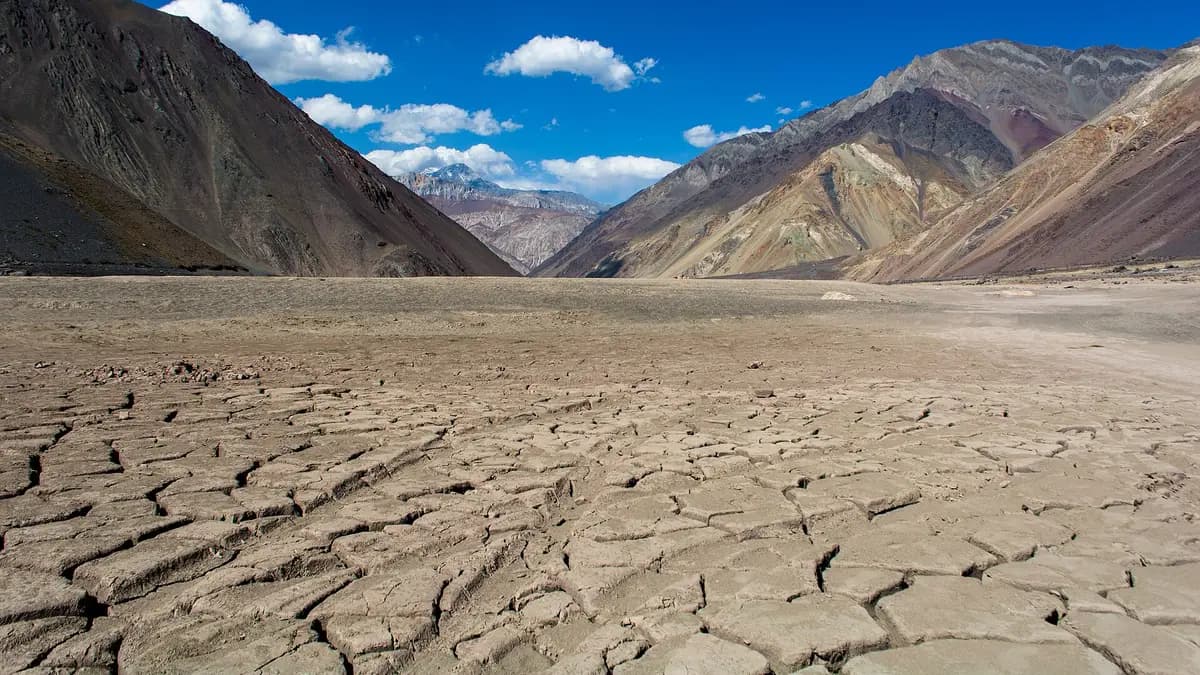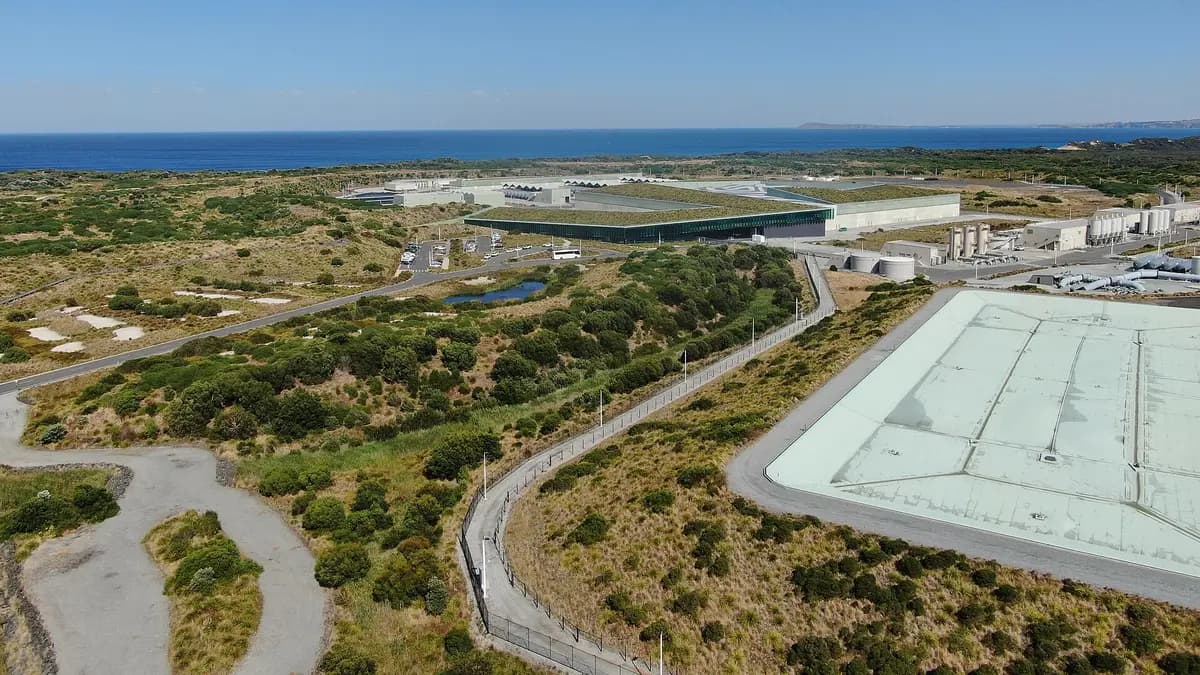
Desalination has become the main new source of water for Chilean mining, but its environmental assessment and enforcement still have gaps. Consultancy ECOS identified ten critical challenges, six in environmental assessment and four in compliance and enforcement during operation, in a presentation at Water Congress 2026, the 14th International Congress on Water Management in Mining and Industrial Processes, Revista Electricidad and Minería Chilena reported on October 29, 2026.
The context is striking: mining uses about 80% of the water production capacity of the country's desalination plants, and its dependence on seawater will keep growing, according to the presentation by Vivian Hernández, a senior expert at ECOS. The analysis reviewed the regulatory framework and public records from the Environmental Assessment Service (SEA) and the Superintendency of the Environment (SMA).
The diagnosis comes as Chile prepares for Law 21,813 on the use of seawater for desalination, published in the Official Gazette on May 12, 2026, which will generally take effect in November 2027.
Desalination in Chilean mining in figures
According to the water consumption in the copper industry to 2025 report by Cochilco, the Chilean Copper Commission, copper mining withdrew 8.11 m³/s of seawater in 2025, 36.8% of all the water it withdraws, 231% more than in 2016. Of that total, 5.71 m³/s was desalinated water and 2.40 m³/s untreated seawater.
| Indicator | Value | Source |
|---|---|---|
| Seawater withdrawn by copper mining (2025) | 8.11 m³/s | Cochilco |
| Seawater share of mining water withdrawal | 36.8% | Cochilco |
| Desalinated seawater (2025) | 5.71 m³/s | Cochilco |
| Untreated seawater (2025) | 2.40 m³/s | Cochilco |
| Seawater growth since 2016 | +231% | Cochilco |
| Share of desalination capacity used by mining | About 80% | ECOS, Water Congress 2026 |
Sources: Cochilco, water consumption in the copper industry to 2025 (published in 2026), and ECOS (October 29, 2026). The year-by-year detail is in our data sheet on seawater in Chilean mining.
8.11 m³/s
Seawater withdrawn in 2025
36.8% of copper mining's water withdrawal
5.71 m³/s
Desalinated water in 2025
The rest is used untreated
80%
Desalination capacity used by mining
ECOS estimate
Source: Cochilco, water consumption in the copper industry to 2025 and ECOS (Water Congress 2026)
View the data as a table
| Seawater withdrawn in 2025 | 8.11 m³/s · 36.8% of copper mining's water withdrawal |
| Desalinated water in 2025 | 5.71 m³/s · The rest is used untreated |
| Desalination capacity used by mining | 80% · ECOS estimate |
The 10 environmental challenges of desalination
ECOS grouped the challenges in two blocks. The published reports do not include the full numbered list, but they do list the issues where problems concentrate:
| Stage | Number of challenges | Main issues |
|---|---|---|
| Environmental assessment | 6 | Brine discharge and dispersion; effects of intake on marine fauna; plants' energy use; handling of chemicals and waste; relations with communities |
| Compliance and enforcement | 4 | Vague commitments without clear thresholds or verifiable indicators; long-term monitoring |
Source: ECOS, presentation "Desalination: critical challenges in environmental assessment and compliance", via Revista Electricidad and Minería Chilena.
The central point is that many compliance gaps originate in the assessment: commitments drafted without a measurable threshold. "Defining precisely from the outset what must be measured, how and how often is key," Hernández said. Her recommendations include strengthening marine baselines, using advanced brine dispersion models adapted to Chile's varied coastline and setting quantifiable operating conditions with long-term monitoring.
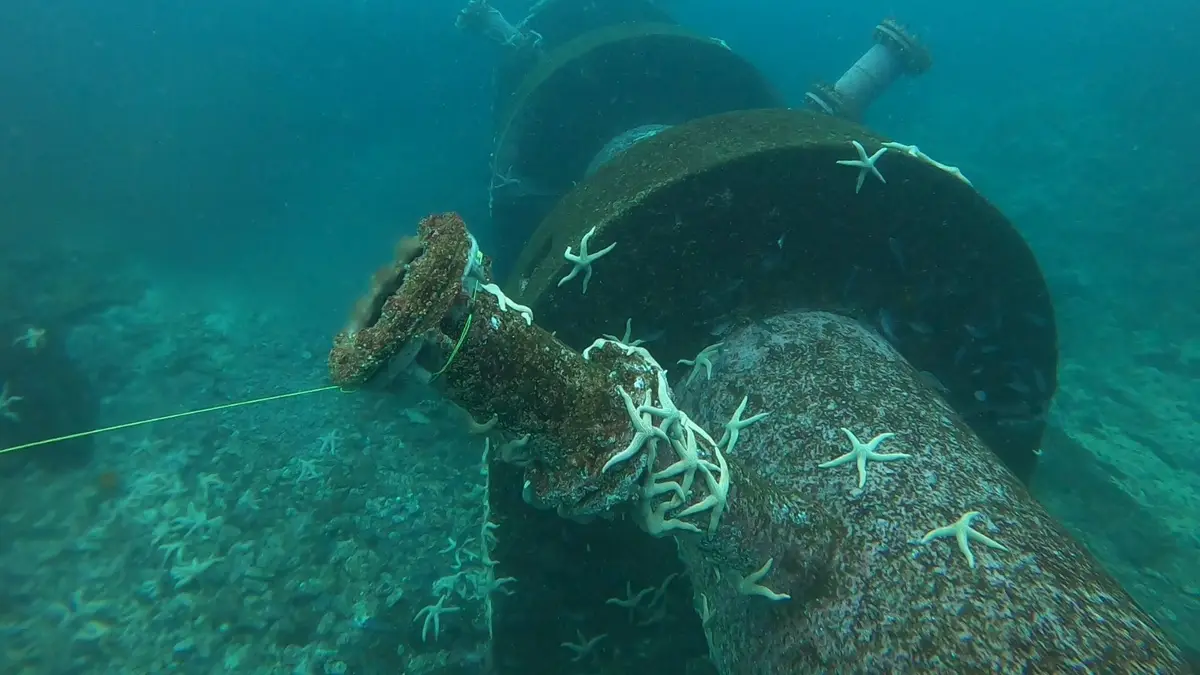
Energy, an environmental cost of desalination
Energy use is among the challenges. Desalinating by reverse osmosis requires pushing seawater at high pressure through membranes, and in northern mining one must add pumping water from the coast to sites hundreds of kilometers away and thousands of meters high. That is why seawater drives mining's electricity demand, and why several miners tie their desalination plants to renewable power contracts, as we covered in our story on how much renewable energy each major miner uses.
What changes with desalination law 21,813
Law 21,813 is Chile's first general framework for the use of seawater. It creates a National Desalination Strategy and a concession regime, and takes effect 18 months after publication, that is, in November 2027, except for the National Strategy title, which applies earlier.
| Issue | What law 21,813 establishes |
|---|---|
| Environmental assessment | Industrial desalination plants and intensive seawater extraction projects must enter the SEIA (environmental impact assessment system) |
| Brine | Empowers the Environment Ministry to issue a brine emission standard |
| Sensitive areas | The National Strategy will identify areas where discharges should be avoided |
| Oversight | The DGA (water authority) oversees the full project lifecycle with a binding technical report and a public inventory of plants |
| Sanctions | Fines of up to 10,000 UTA and possible forfeiture of concessions, including existing ones |
| Water use | Priority for human consumption and sanitation; mining and other projects can be required to allocate up to 5% of output to that use |
| Concessions | Granted by decree after a DGA report, for up to 30 years, renewable once |
Sources: Law 21,813 (Official Gazette, May 12, 2026), ECOS via Minería Chilena and Actualidad Jurídica DOE.
An agenda already under way
ECOS's diagnosis matches other recent efforts to measure desalination's impact on the sea. In late October, the University of Antofagasta launched a CLP 418 million observatory to monitor desalination plants and their brine, which we detailed in our story on the desalination observatory. The brine standard enabled by the law will need exactly that kind of baseline data.
For sustainable mining, the challenge is twofold: seawater relieves pressure on aquifers and rivers in the north, but shifts part of the impact to the coast and adds electricity use. Whether that balance is positive depends on how plants are assessed and enforced, which is exactly the point ECOS is raising.
Does your company work in desalination, marine monitoring or energy for mining? Reach Energía Futura's readers.
See advertising optionsFrequently asked questions about desalination in mining
How much seawater does Chilean mining use?
Copper mining withdrew 8.11 m³/s of seawater in 2025, 36.8% of its water, according to Cochilco. Of that, 5.71 m³/s was desalinated.
When does the desalination law take effect?
Law 21,813 was published on May 12, 2026 and generally takes effect in November 2027, 18 months after publication.
What is brine?
It is the highly saline water left after desalination and returned to the sea. Its dispersion can affect the seabed if it is not well diluted, and the law allows an emission standard for it.
Who is ECOS?
A consultancy that presented its analysis at Water Congress 2026, based on public records from the SEA and the SMA.