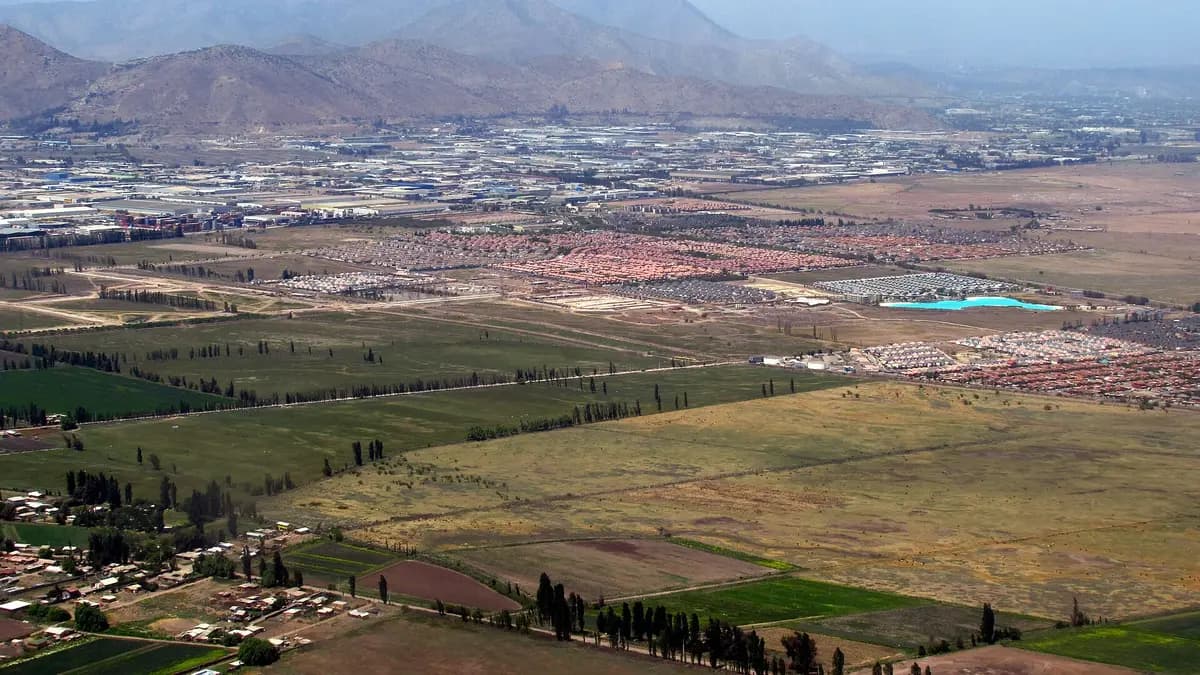
Chilean generator Colbún has ended development of the Paposo pumped storage plant, an energy storage project of up to 800 MW and US$1.4 billion in the municipality of Taltal, in the Antofagasta Region. The company will stop all engineering, environmental and social studies for the project, as reported by Revista Electricidad and by El Mercurio de Antofagasta, republished by CPI, on 29 October 2026.
Colbún attributed the decision to “the significant changes the electricity market has undergone over the last two years”: the growth of battery storage and weak growth in electricity demand. The project had been suspended since September 2024, when the Antofagasta office of the Environmental Assessment Service (SEA) upheld the early termination of its review.
The company said it will honour commitments already made to neighbouring communities, which have been informed, and that its long-term presence in Taltal and the region is unchanged.
Why Colbún ended the Paposo pumped storage plant
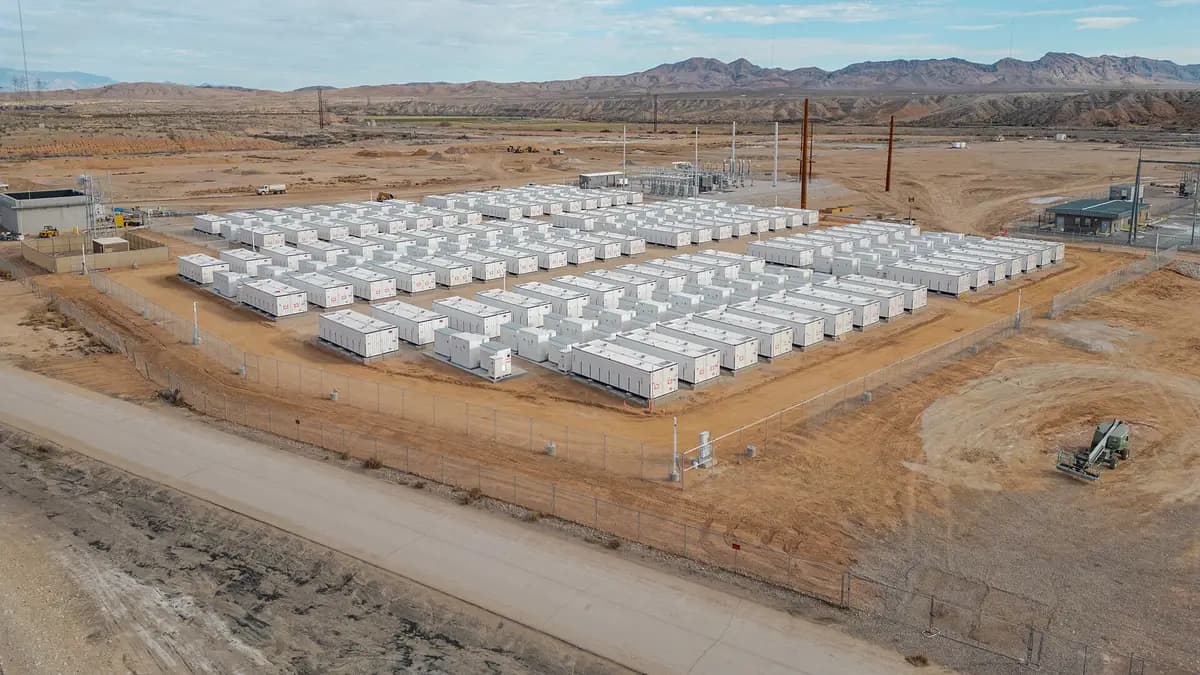
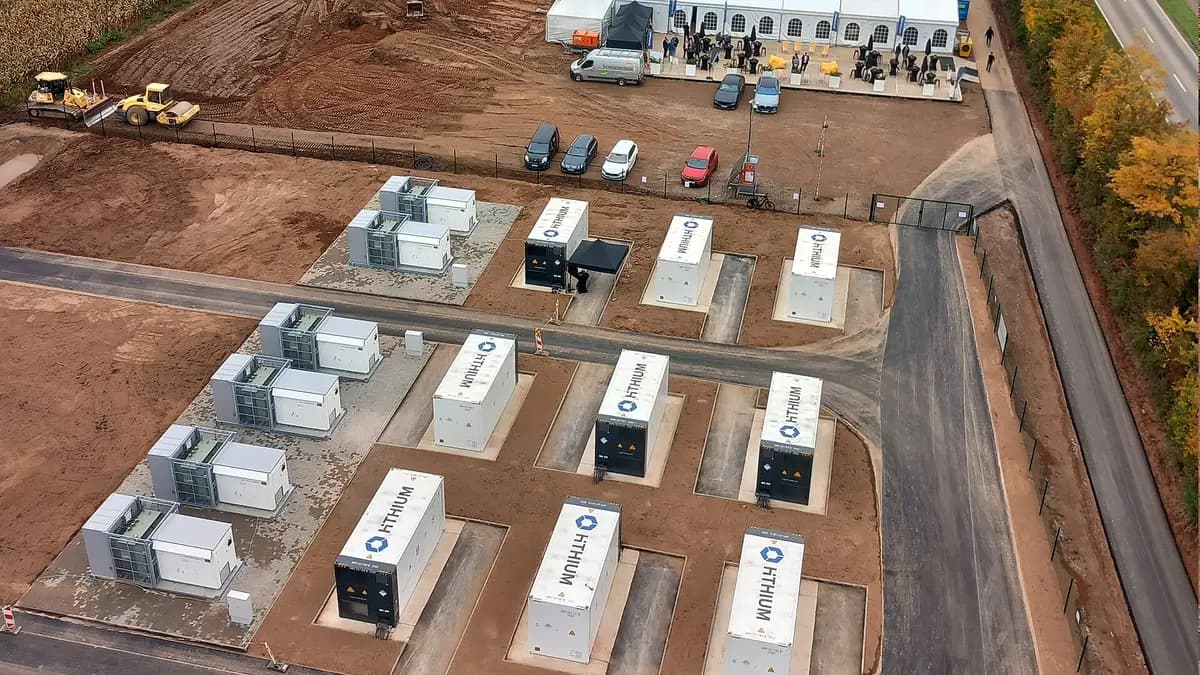
A pumped storage plant stores energy by pumping water up to a high reservoir when cheap electricity is plentiful, then releasing it through a turbine when power is needed, usually at night. In Chile, that role is being taken over by lithium-ion battery energy storage systems (BESS), which are built in under two years and installed next to existing solar parks.
The numbers explain the shift. Chile had 3,116 MW and 13,522 MWh of batteries in operation as of August 2026, 98% more than at the end of 2025, according to the renewable energy association ACERA. The Energy Ministry also counts 32 battery projects under construction, with 3,702 MW and US$3.172 billion, more investment than all power plants being built, as detailed in the 32 battery projects under construction.
| Project | Power | Investment | Investment per MW (own calculation) |
|---|---|---|---|
| Paposo pumped storage plant (Colbún, ended) | 800 MW | US$1.4 billion | US$1.75 million |
| Diego de Almagro Sur BESS (Colbún, under construction) | 228 MW / 912 MWh | About US$200 million | US$0.88 million |
| 32 BESS under construction in Chile (September 2026) | 3,702 MW / 15,398 MWh | US$3.172 billion | US$0.86 million |
| Lo Aguirre-Peralillo BESS (EnAccess, filed for review in October) | 100 MW / 400 MWh | US$190 million (includes an 11.4 km line) | Not comparable |
Sources: Colbún (2024 and 2025), Energy Ministry (September 2026 report), ESS News and Revista Electricidad. Investment per MW is an Energía Futura calculation and does not account for duration, lifespan or operating costs, which differ between technologies.
Batteries are no longer marginal in grid operations. Between January and September 2026 they supplied 5.1% of the energy injected into the system, and 7.9% in September alone, according to ACERA, as explained in batteries' contribution to Chile's electricity. With more storage available and demand growing slowly, the value of shifting daytime energy to the night falls.
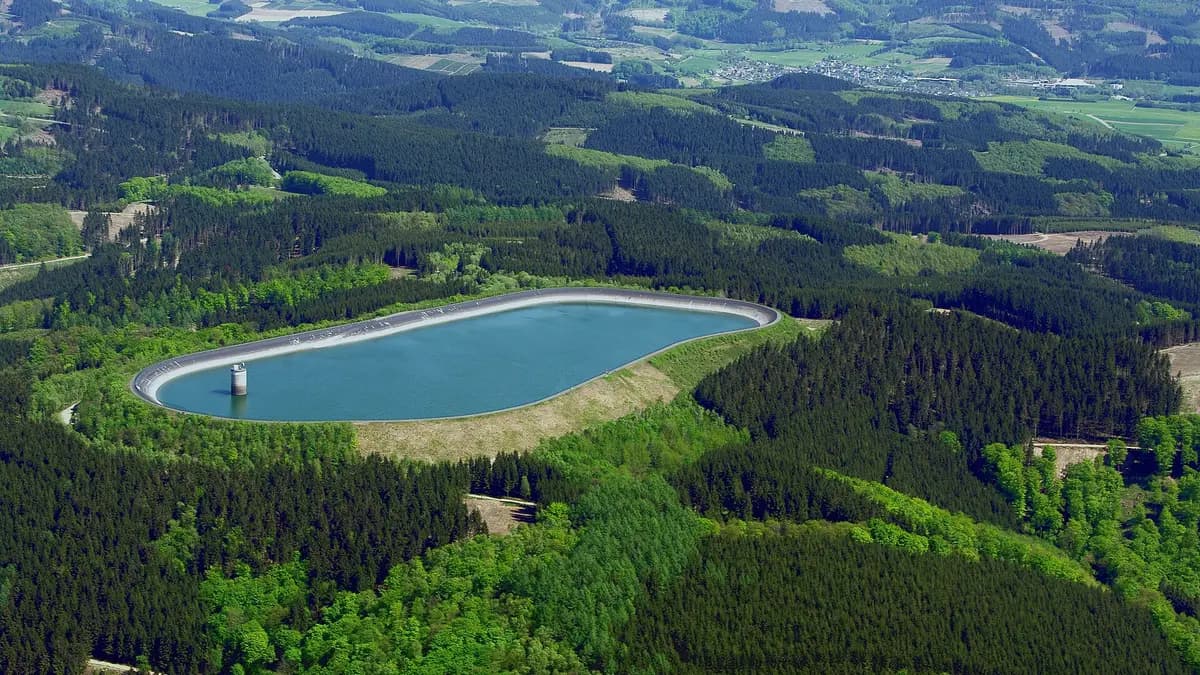
How the Paposo pumped storage plant would have worked
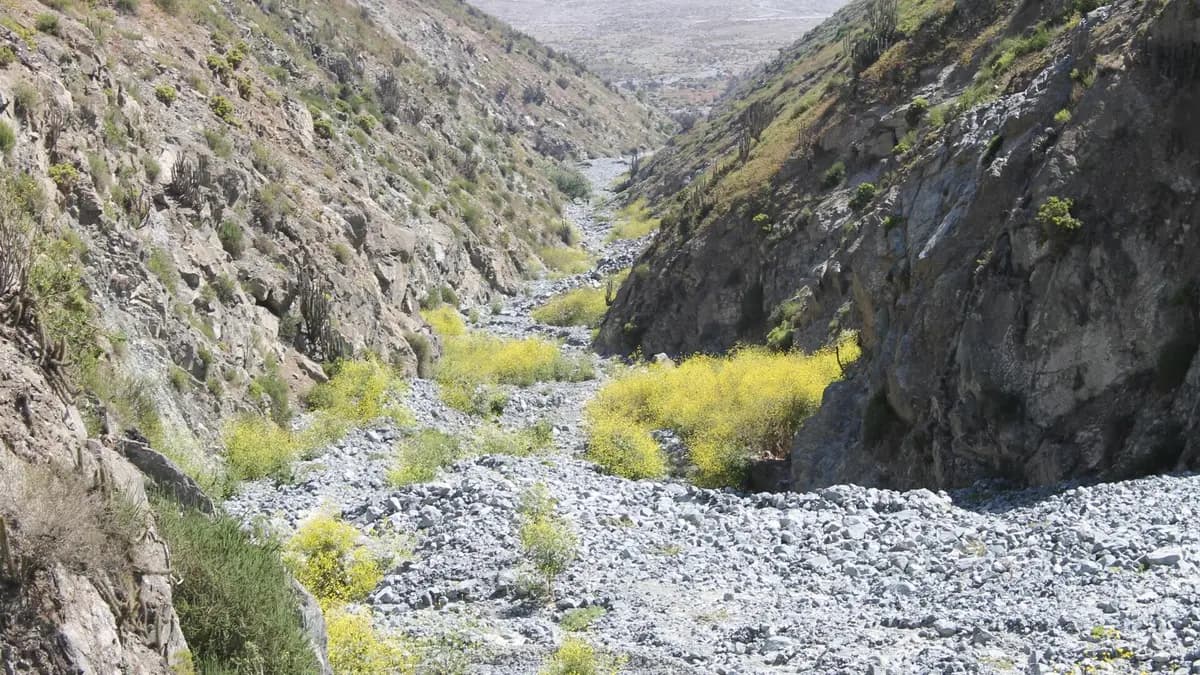
The design, presented in May 2024, took advantage of the geography of the Taltal coast. It had an upper reservoir 1,500 metres above sea level, at the top of the coastal escarpment, and a lower reservoir at its foot, next to the powerhouse. Instead of a river, it used desalinated seawater: a plant of up to 90 litres per second during construction and 30 litres per second in operation, to replace evaporation and internal use.
| Paposo pumped storage plant | Figure |
|---|---|
| Power | Up to 800 MW |
| Estimated annual generation | 1,800 GWh |
| Investment | US$1.4 billion |
| Upper reservoir | At 1,500 m above sea level |
| Desalination plant | 90 l/s during construction and 30 l/s in operation |
| Land area | 216 ha permanent and about 74 ha temporary |
| Transmission line | 71 km |
| Avoided emissions (according to Colbún) | 435,600 tonnes of CO2 per year |
| Original schedule | Construction from mid-2026 and operation in the second half of 2029 |
Source: Colbún press release of 31 May 2024.
With 1,800 GWh a year and 800 MW, the plant would have run the equivalent of about 6 hours a day at full power, according to an Energía Futura calculation, longer than the batteries now being built in Chile, most of which are around 4 to 5 hours. Colbún described it as a storage project “unique in Latin America.”
Does your company work in storage, batteries or renewable generation? Reach Energía Futura's readers.
See advertising optionsFrom the 2024 suspension to the 2026 closure
The project's permitting process was short. Colbún filed it with the Environmental Impact Assessment System (SEIA) on 31 May 2024 as an environmental impact study. In August 2024, the SEA in Antofagasta ended the review early for lack of relevant or essential information, arguing that two Chango communities in the area had not been characterized. Colbún filed an appeal, arguing those groups were not recognized by the indigenous development agency Conadi; the SEA upheld it only in part and kept the termination in place, and in September 2024 the company suspended the project indefinitely.
| Date | Milestone |
|---|---|
| 31 May 2024 | Colbún files the environmental impact study with the SEIA |
| August 2024 | The SEA in Antofagasta ends the review early |
| September 2024 | The SEA upholds the termination; Colbún suspends the project |
| November 2025 | At its Investor Day, Colbún says the project is “challenged” by the rise of batteries |
| 28 and 29 October 2026 | Colbún confirms the end of development of the Paposo pumped storage plant |
Sources: Colbún, La Tercera, Diario Financiero, Revista Electricidad and El Mercurio de Antofagasta.
The project also faced local and scientific opposition. According to El Mercurio de Antofagasta, the European Southern Observatory (ESO) and astronomers opposed it, and Taltal mayor Mario Acuña said there was near-total public rejection. Regional governor Ricardo Díaz regretted the decision, pointed to the environmental assessment system and noted that the plant would have supplied clean energy at night.
What comes next for Colbún in storage
Closing Paposo does not mean Colbún is leaving storage: it is doing it with batteries. At its Diego de Almagro Sur solar plant in the Atacama Region, it is building a 228 MW, 912 MWh system for about US$200 million, with 201 battery containers from e-Storage, a Canadian Solar subsidiary; commissioning is planned for December 2026, according to ESS News.
In its statement, the company called for conditions for new investment: a favourable market and a permitting framework that keeps high assessment standards but offers “certainty and timelines” in line with market opportunities. The decision comes days after Colbún reported a profit of US$72.5 million in the third quarter, driven by rainfall, as detailed in Colbún's results.
Frequently asked questions
What was the Paposo pumped storage plant?
A Colbún storage project in Taltal of up to 800 MW and US$1.4 billion, which would have pumped desalinated seawater to a reservoir at 1,500 metres to generate electricity when needed.
Why did Colbún end the project?
Because of changes in the electricity market over the last two years, especially the growth of batteries and weak demand growth, according to the company.
Did the project have environmental approval?
No. The SEA in Antofagasta ended its review early in August 2024, and Colbún suspended it in September that year.
Are there other pumped storage plants in Chile?
There are other pumped storage projects in the pipeline, but the storage technology growing fastest in Chile today is batteries, with more than 3,000 MW operating in 2026, according to ACERA.