Generadoras de Chile, the generators' association, asked the National Energy Commission (CNE) for a thorough review of peak control, the mechanism that defines the system's most demanding hours, when businesses pay more for the capacity they draw. The association warns the tool could become outdated in a system where batteries already cover much of night-time demand: Chile ended September 2026 with 3,125 MW and 13,555 MWh of storage in operation, nearly double the end-2025 figure, according to Energía Estratégica on 13 November.
“We are raising a fundamental question: whether traditional peak-control mechanisms still provide efficient signals for a system whose demand, generation and storage availability change significantly over time,” Camilo Charme, executive director of Generadoras de Chile, told the outlet.
View the data as a table
| Operating capacity | 3,125 MW |
| September injections | 584 GWh |
| In testing and construction | 8,147 MW |
| Curtailment Jan-Sep | 3,546 GWh |
What Generadoras is asking for on peak control
The debate is part of the process the CNE opened with Exempt Resolution No. 513 of 17 September 2026, which approved the preliminary technical report on the methodology for setting peak-control periods. The comment period closed on 29 October, and industry players submitted their proposals.
Generadoras asked for a better representation of critical scenarios, operational constraints, the effective availability of resources and demand response, as well as more transparency in the indicators. It went further, proposing alternatives that link economic signals to the actual risk of supply shortfall, that is, to the real probability of running short of energy, rather than only to a fixed calendar of hours.
| Generadoras proposal | What it seeks |
|---|---|
| Better represent critical scenarios | That the method captures the system's highest-risk conditions |
| Include operational constraints | Reflect the real limits of the grid and the plants |
| Measure effective availability | Count what each resource can really deliver, including batteries |
| Consider demand response | Recognize customers who cut consumption in critical hours |
| More transparent indicators | Let market players replicate the calculation |
| Signals tied to shortfall risk | Charge according to the real probability of deficit, not a fixed calendar |
Source: Generadoras de Chile, comments on the CNE process, via Energía Estratégica (13 November 2026).
- 5 Sep 2026Generadoras submits studies to the CNEOn storage, security, grid strength and ancillary services.
- 17 Sep 2026CNE approves the preliminary technical reportExempt Resolution No. 513: methodology to set peak-control periods.
- 29 Oct 2026Comment period closesGeneradoras asks for critical scenarios, demand response and more transparency.
- 13 Nov 2026The association makes its proposals publicIt proposes moving toward a bid-based market with day-ahead and intraday trading.
How peak control works today
The peak-control period currently runs from April to September, Monday to Friday, between 18:00 and 22:00, although September was dropped in 2026. During those hours, businesses on tariffs that charge for peak demand pay a higher capacity charge, which pushes them to cut consumption. For most households on the BT1 residential tariff, the bill does not change. The food industry had already asked for it to be shortened, as we reported in our story on peak hours and the Chilealimentos request.
The study commissioned by the CNE, the final report on determining the peak-control period, uses the loss of load probability (LOLP) to measure risk hour by hour. Its conclusions hint at where the change could go.
| Aspect | Conclusion of the CNE study |
|---|---|
| Season | Risk is concentrated in winter; there is no basis to extend the peak season |
| Time window | The position of the block matters more than its length; risk sometimes starts before 18:00 |
| Peak-demand hours | Not all are high-risk: including them can create charges without technical justification |
| Method | Recommends a stochastic (probabilistic) approach, ideally hybrid |
Source: CNE, final report of the study “Determination of the peak-control period in the National Electric System” (September 2026).
Batteries are changing the system's peak
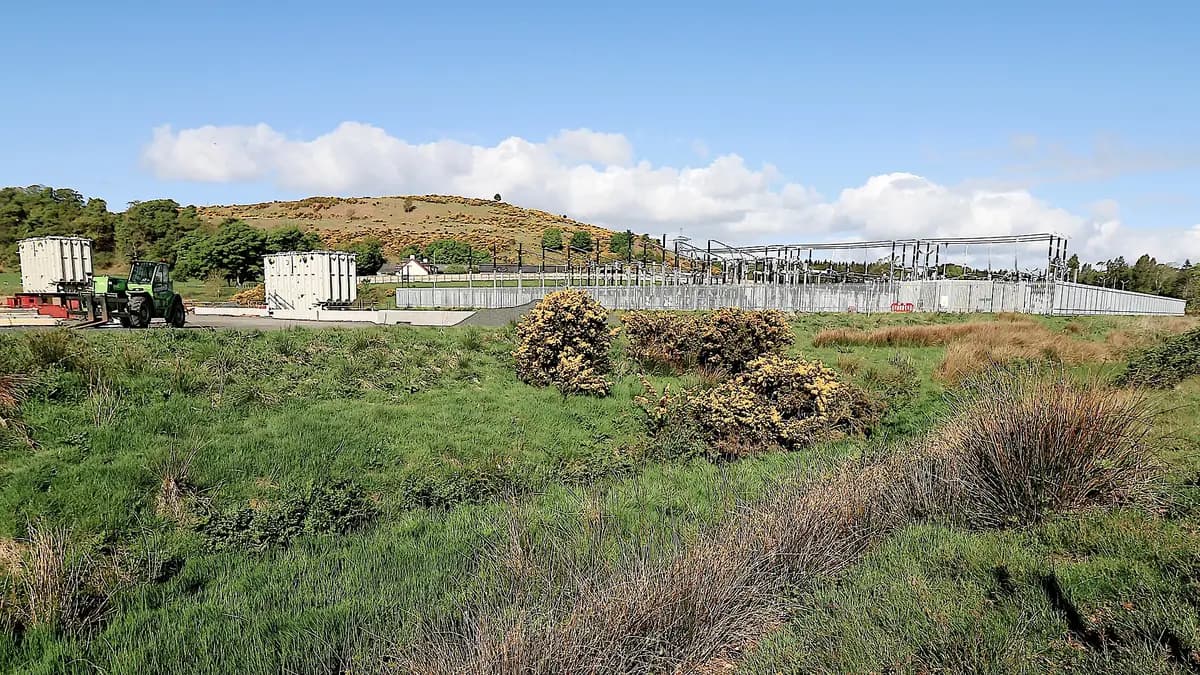
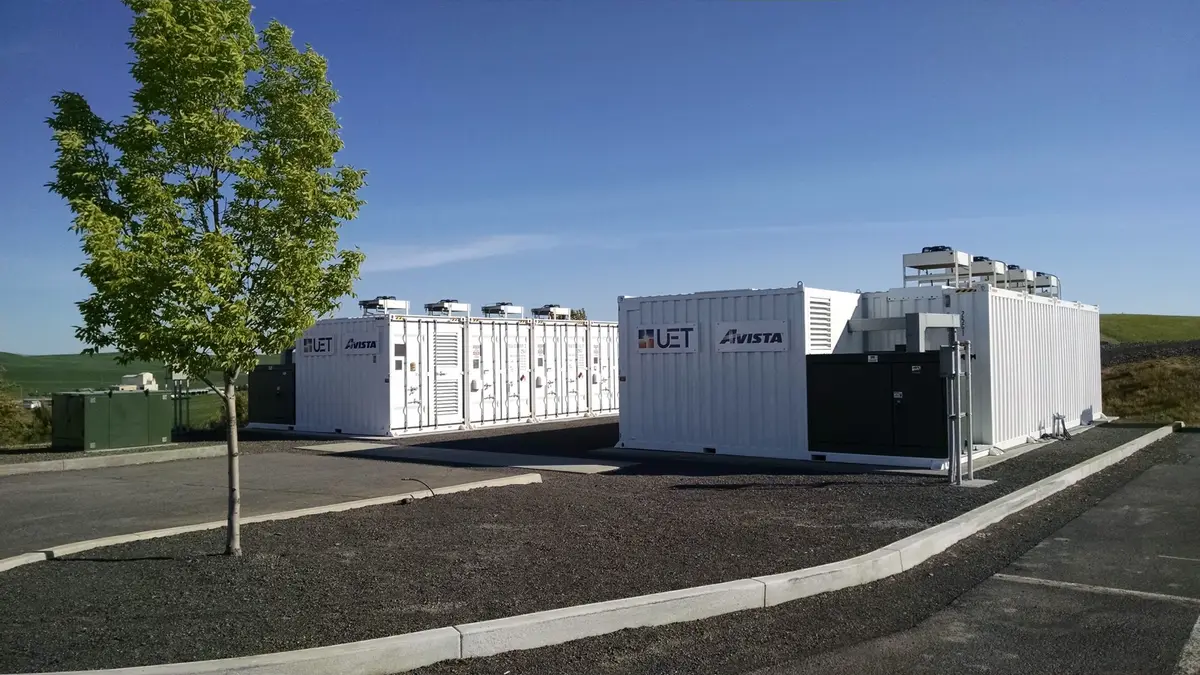
Generadoras' argument rests on how fast storage is growing, which had already passed the 3,000 MW mark in October, as we reported in our story on more than 3,000 MW of BESS batteries. According to the Chilean Renewable Energy and Storage Association (Acera), besides the 3,125 MW in operation there are 3,017 MW in testing and 5,130 MW under construction: more than 8,100 MW still to enter commercial operation. In September batteries injected 584 GWh, 7.9% of the total and 216.3% more than in September 2025.
The Generadoras de Chile register, based on CNE data, gives somewhat different figures because it uses another source and cut-off date: 3,565 MW in operation, 2,521 MW in testing and 5,346 MW under construction, 11,431 MW in total. That bulletin shows where they are: Antofagasta has 5,110 MW, followed by Atacama (2,406 MW) and Tarapacá (1,812 MW). The CNE expects storage to keep growing strongly in 2027, as we detailed in our story on the 12,394 MWh of new batteries expected next year.
View the data as a table
| Antofagasta | 5,110 MW · 2,148 MW already operating |
| Atacama | 2,406 MW |
| Tarapacá | 1,812 MW |
| Metropolitana | 554 MW |
| Coquimbo | 327 MW |
| Arica y Parinacota | 324 MW |
| Maule | 317 MW |
| Biobío | 240 MW |
| Valparaíso | 129 MW |
| O'Higgins | 74 MW |
| La Araucanía | 73 MW |
| Ñuble | 29 MW |
| Los Ríos | 20 MW |
| Los Lagos | 18 MW |
| Region | Operating (MW) | Testing (MW) | Construction (MW) | Total (MW) |
|---|---|---|---|---|
| Antofagasta | 2,148 | 1,472 | 1,491 | 5,110 |
| Atacama | 445 | 468 | 1,493 | 2,406 |
| Tarapacá | 200 | 390 | 1,222 | 1,812 |
| Metropolitana (Santiago) | 438 | 14 | 102 | 554 |
| Arica y Parinacota | 260 | 61 | 3 | 324 |
| Coquimbo | 3 | 107 | 217 | 327 |
| Maule | 0 | 0 | 317 | 317 |
| Biobío | 0 | 0 | 240 | 240 |
Source: Generadoras de Chile, September 2026 bulletin, storage capacity by region. The eight regions with the most MW are shown.
Does your company develop or integrate BESS batteries? Reach Energía Futura's readers.
See advertising optionsBeyond peak control: a bid-based market
Generadoras' proposals are part of a broader agenda. The association argues that Chile should move gradually toward a competitive bid-based market, with day-ahead and intraday trading, where companies reveal the value of their resources. Today the National Electricity Coordinator dispatches plants based on their declared costs, without price bids.
The association notes that on 5 September it gave the CNE studies on storage, security, grid strength and ancillary services, and that short-term priorities include updating the Technical Standard for Coordination and Operation, for which the authority appointed an advisory committee in September. “It is not enough to check that current mechanisms work under known conditions,” Charme said.
Frequently asked questions
What is peak control?
It is the period of the year and the day when the power system faces its highest stress. In those hours, businesses on tariffs that charge for peak demand pay a higher capacity charge, which encourages them to cut consumption.
When do peak hours apply today?
From April to September, Monday to Friday, between 18:00 and 22:00. In 2026 September was removed from the period.
Does it affect household electricity bills?
Generally not: most households are on the BT1 tariff, which does not charge for peak-hour demand. The effect falls mainly on businesses, industry and some commercial customers.
How much battery storage does Chile have?
According to Acera, 3,125 MW and 13,555 MWh in operation as of September 2026, plus 3,017 MW in testing and 5,130 MW under construction.