Batteries will keep arriving en masse on Chile's power system next year. The National Energy Commission (CNE) projects that 12,394 MWh of storage capacity will be interconnected to the National Electric System (SEN) in 2027, mainly through BESS projects (battery energy storage systems), according to CNE information at the close of the third quarter reported on November 6 by Electrominería.
The projection is based on the declaration of construction process, the procedure through which the CNE recognizes that a project already has works under way, permits and a committed connection date. There are 76 projects at that stage. If deadlines are met, cumulative storage capacity would go from about 10,000 MWh to more than 20,000 MWh by the end of 2027: it would double in a single year.
View the data as a table
| New storage expected in 2027 | 12,394 MWh |
| Cumulative capacity by end-2027 | +20,000 MWh |
| Operating storage at September 30 | 3,123 MW |
Batteries in 2027: the months with the most connections
The new capacity will not arrive evenly. March 2027 is the month with the most storage expected, with 3,785 MWh, followed by February (2,697 MWh) and October (1,606 MWh). April and May add about 1,000 MWh each. The first four months of the year therefore account for more than 10,000 MWh, over 80% of the year's total.
| Month of 2027 | Storage to be connected (MWh) |
|---|---|
| February | 2,697 |
| March | 3,785 |
| April | 1,018 |
| May | 1,000 |
| June | 702 |
| August | 420 |
| October | 1,606 |
| November | 980 |
| Full year | 12,394 |
Source: CNE, projection at the close of Q3 2026, via Electrominería. The months listed add up to 12,208 MWh; the remaining 186 MWh belong to months the report does not break down. Interconnection dates are those declared by the developers and may shift.
The summer concentration has an operational logic: it is the sunniest season and therefore the one with the most cheap midday energy to charge batteries and discharge them at night. In October 2026, marginal costs below US$5 already covered 75% of early-morning hours north of Charrúa, and batteries supplied more than 80% of the energy in the evening peak.
How much storage Chile has today
The September 2026 project report from the Ministry of Energy, prepared with data from the National Electric Coordinator, the CNE and the ministry itself, gives the picture at September 30. There were 3,123 MW of storage in operation, 3,459 MW (15,500 MWh) in testing and 3,702 MW (15,398 MWh) under construction, spread across 32 systems with an investment of US$3,172 million.
| Status at September 30, 2026 | Power | Energy | Projects |
|---|---|---|---|
| Operating | 3,123 MW | — | — |
| In testing | 3,459 MW | 15,500 MWh | 26 systems |
| Under construction | 3,702 MW | 15,398 MWh | 32 systems (US$3,172 million) |
| Official 2030 target | 6,000 MW | — | 52% achieved |
Source: Ministry of Energy, September 2026 project report. Power (MW) measures how much energy a system can deliver at any moment; energy (MWh) measures how much it can store. A 100 MW, 400 MWh battery discharges at full power for four hours.
The government's target is 6,000 MW of storage by 2030. With 3,123 MW in operation, progress stands at 52%, and the ministry expects to meet it by early 2027, when the projects now in testing and under construction come online. In other words, Chile would hit the goal about three years ahead of schedule.
The largest battery projects under way
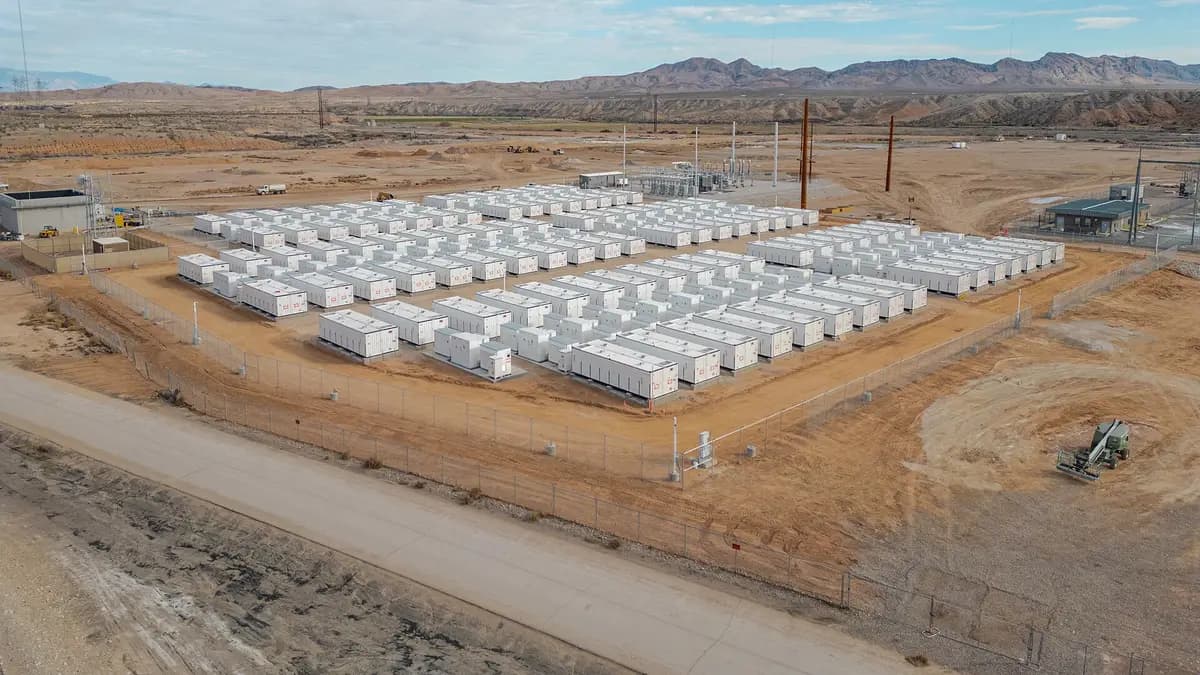
The ministry's report identifies the largest projects at each stage. Under construction, two hybrid plants stand out, combining solar panels with batteries; in testing, BESS Elena Phase I, with 430 MW and 3,010 MWh in the Antofagasta Region, one of the largest battery systems in the country.
| BESS Elena Fase I | Antofagasta | In testing | 430 | 3,010 |
| Cristales PV + BESS (400 MW solar) | Antofagasta | In testing | 340 | 1,360 |
| Tarapacá PV + BESS (168 MW solar) | Tarapacá | Under construction | 336 | 1,344 |
| Monte Águila PV + BESS (240 MW solar) | Atacama | Under construction | 233 | 932 |
According to the CNE, installed capacity will remain concentrated in Antofagasta, Atacama and Tarapacá, home to most of the solar parks and the 500 kV grid linking them to central Chile. Growth is also expected in Coquimbo, Arica y Parinacota and the Santiago Metropolitan Region. The pattern matches the Coordinator's pipeline: in October, 12,188 MW of projects were waiting to connect to the system and batteries made up 62%.
Why battery storage is growing so fast
The explanation is economic. Chile has one of the best solar resources in the world, but midday energy is in surplus and worth almost nothing, while night-time energy is scarce. A battery buys cheap and sells dear: it charges with solar energy at zero marginal cost and delivers it in the late-afternoon and evening peak, when gas or diesel plants used to start up.
Regulation also helped. Law 21,505 of 2022 allowed pure storage systems to sell energy and capacity and opened the door to stand-alone BESS, without a solar park next door. The ministry's September report lists 12 stand-alone storage projects under environmental review, with 13,719 MWh, and 3 more approved by the regional evaluation commissions that month, with 1,140 MW and 5,865 MWh.
- Near-zero midday prices: solar oversupply makes charging batteries cheap.
- Falling cell costs: lithium iron phosphate (LFP) is the dominant technology in approved projects.
- Coal phase-out: batteries cover part of the night-time energy thermal plants used to supply.
- Capacity revenues: regulation recognizes batteries' contribution to system adequacy.
The jump already shows in this year's numbers: according to the Chilean Renewable Energy and Storage Association (Acera), the country had in October 11.3 GW of storage across batteries in operation, testing and construction, a figure that includes projects at different stages and is not directly comparable with the CNE's.
What it will take for 2027's batteries to arrive on time
The CNE's dates are developers' commitments, not guarantees. Projects must finish works, pass the tests required by the Coordinator and obtain commercial operation authorization. Testing can last months: at September 30 there were 26 systems at that stage, some since the first half of the year.
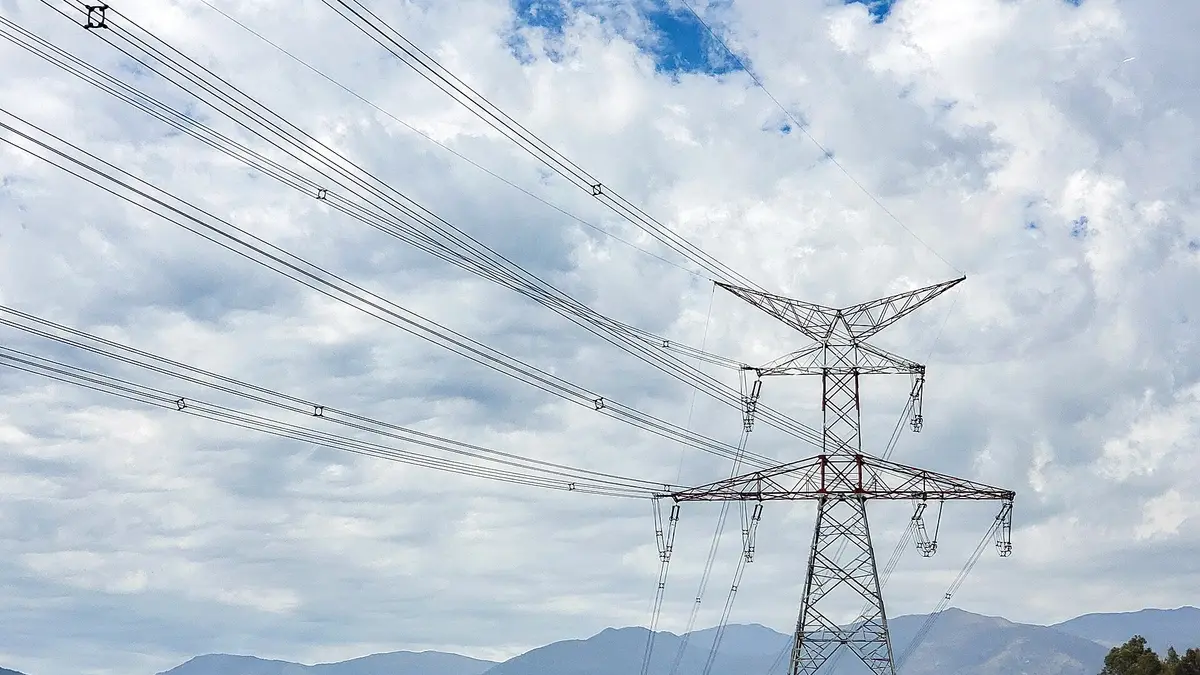
Transmission also matters. Much of the new capacity will connect in the north, where the grid already runs close to its limit during sunny hours. Batteries ease that problem by shifting injection to the night, but they depend on substations and evacuation lines being ready. For end consumers the effect is not immediate: regulated household tariffs depend on supply contracts, not on the hourly price.
Does your company develop, finance or supply storage projects? Reach Energía Futura's readers.
See advertising optionsFrequently asked questions
How much battery storage will connect in Chile in 2027?
The CNE projects 12,394 MWh of new storage in 2027, from 76 projects declared under construction, according to its information at the close of Q3 2026.
How much storage will Chile have by the end of 2027?
More than 20,000 MWh, compared with about 10,000 MWh today, if projects meet their dates.
Which month has the most connections?
March 2027, with 3,785 MWh, followed by February (2,697 MWh) and October (1,606 MWh).
Will the 6,000 MW storage target be met?
The Ministry of Energy expects to meet it by early 2027, three years before the 2030 deadline. At September 30, 2026 there were 3,123 MW in operation (52% progress).
Where are the batteries being built?
Mostly in Antofagasta, Atacama and Tarapacá, next to solar parks. Growth is also expected in Coquimbo, Arica y Parinacota and the Metropolitan Region.