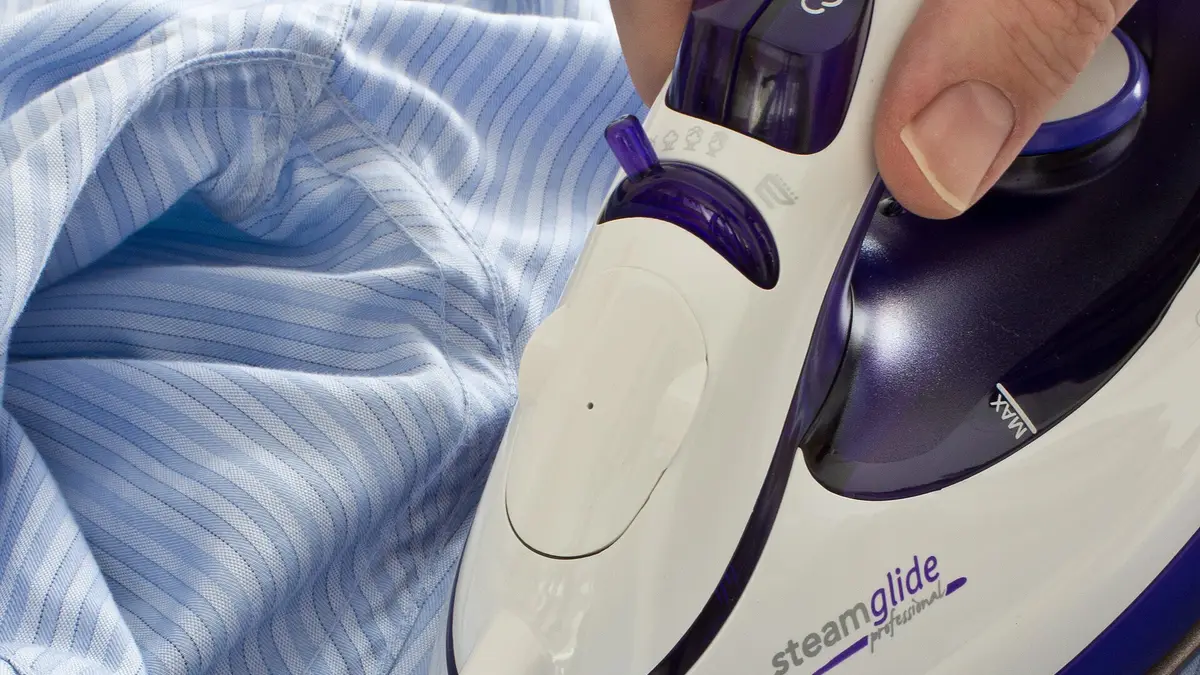
A 2,200 W steam iron costs up to CLP 562 per hour, with electricity at CLP 255.27 per kWh (CGE's BT1 residential rate in Chile since October 2026). Because the thermostat switches the element off at times, the real cost of an hour of ironing is usually lower: on the order of CLP 390 to 450. Ironing two hours a week costs about CLP 3,400 a month; a 1,800 W garment steamer used for the same time, close to CLP 4,000.
The steam iron is one of the highest-powered appliances in a home, on a par with a kettle or an oven. But it is used only a few hours a week, so its weight on the bill is moderate. This guide calculates how much each type costs in Chilean pesos and explains when a classic iron, a garment steamer or a steam generator iron makes sense.
How much electricity a steam iron uses by power rating
Steam irons sold in Chile range from 1,200 to 2,600 W. According to the Chilean price comparison site Solotodo, the Oster GCSTBS6003 has 1,600 W and the Oster AeroGlide GCSTAC7801, 2,200 W. Among garment steamers, the standing Oster GCSTGS7050, with a 1.8-liter tank, has 1,800 W, and the handheld GCSTFS200 and GCSTFS300, 1,200 W. Philips sells irons of up to 2,600 W, such as the Azur GC4891, and 2,400 W steam generators, such as the PSG2000, according to their technical sheets.
| Power | Example | Cost per hour at full power | Estimated cost per hour with thermostat |
|---|---|---|---|
| 1,200 W | Oster GCSTFS300 handheld steamer | CLP 306 | About CLP 306 (runs almost continuously) |
| 1,600 W | Oster GCSTBS6003 iron | CLP 408 | About CLP 286 |
| 1,800 W | Oster GCSTGS7050 standing steamer | CLP 459 | About CLP 459 (runs almost continuously) |
| 2,200 W | Oster AeroGlide GCSTAC7801 iron | CLP 562 | About CLP 393 |
| 2,400 W | Philips PSG2000 steam generator | CLP 613 | About CLP 429 |
| 2,600 W | Philips Azur GC4891 iron | CLP 664 | About CLP 465 |
Energía Futura calculations with electricity at CLP 255.27 per kWh (energy and service charges of CGE's BT1 rate in October 2026). Power ratings from Solotodo and Philips listings. The thermostat estimate assumes the element of irons and steam generators is on 70% of the time; steamers produce steam non-stop and are calculated at full power. The price per kWh varies by municipality, as we show in the price of a kWh in Chile by municipality.
Why does the thermostat matter? An iron does not heat all the time: the element turns on until the soleplate reaches the chosen temperature and switches off until it cools. A consumption-measurement guide from the Australian organization EWOSA notes that thermostat-controlled appliances can use up to 40% less energy than their rated power multiplied by the hours of use. Steam, on the other hand, increases consumption, because evaporating water takes a lot of energy.
How much a steam iron costs per month in Chilean pesos
The monthly cost depends on how many hours you iron. These are four common scenarios, with 4.33 weeks per month:
| Use | Appliance | Hours per month | Monthly consumption | Monthly cost |
|---|---|---|---|---|
| Daily 15-minute touch-ups | 1,200 W handheld steamer | 7.5 hours | 9 kWh | CLP 2,300 |
| 2 hours of ironing a week | 2,200 W iron | 8.7 hours | 13.4 kWh | CLP 3,400 |
| 2 hours of ironing a week | 2,400 W steam generator | 8.7 hours | 14.6 kWh | CLP 3,720 |
| 2 hours of ironing a week | 1,800 W standing steamer | 8.7 hours | 15.6 kWh | CLP 3,980 |
Energía Futura calculations with electricity at CLP 255.27 per kWh, rounded. Irons and steam generators with the element on 70% of the time; steamers at full power. Hours are usage assumptions.
The conclusion is that, for most homes, ironing costs between CLP 2,000 and 4,000 a month. That is little compared with washing and, above all, with machine drying: a tumble dryer can cost several times more, as we calculated in how much a clothes dryer costs to run. Air-drying clothes and ironing them afterwards is still the cheapest combination.
Classic steam iron, garment steamer or steam generator: which to choose
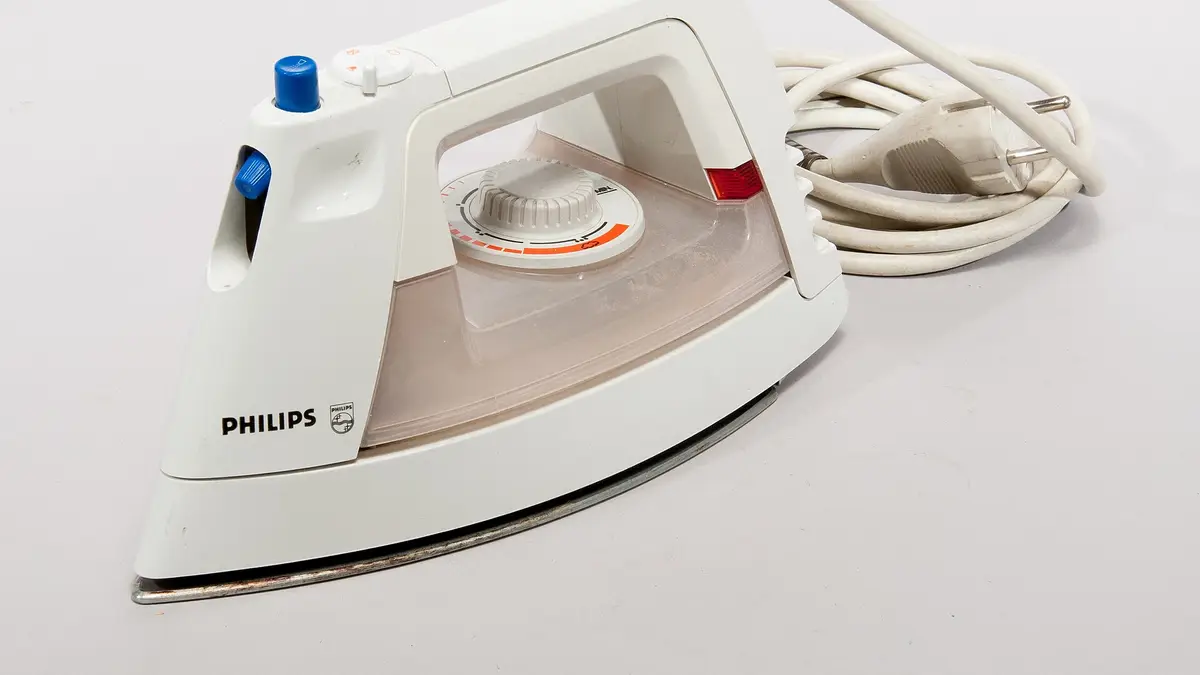
All three use steam, but in different ways. A classic iron combines heat and pressure from the soleplate on the fabric, with steam coming out of the holes. A garment steamer only applies steam to hanging clothes, without pressure. A steam generator is an iron connected to a separate boiler that produces pressurized steam in larger quantities. These are the main differences:
| Appliance | Typical power | Advantage | Drawback |
|---|---|---|---|
| Classic steam iron | 1,600 to 2,600 W | Leaves sharp creases in shirts and trousers; cheap | Needs a board; slower on thick fabrics |
| Garment steamer (standing or handheld) | 1,200 to 1,800 W | Quickly removes wrinkles from hanging clothes, curtains and delicate fabrics | Does not make creases; produces steam non-stop |
| Steam generator iron | About 2,400 W | Lots of pressurized steam (6 bar on the Philips PSG2000); ideal for large loads | More expensive and bulky |
Sources: Oster listings on Solotodo and Philips listings, October 2026. The 6 bar pressure refers to the Philips PSG2000 steam generator, according to its retail listing.
When a vertical steamer makes sense
A vertical steamer suits people who need to freshen up clothes every day: a shirt before going out, a dress, a jacket or clothes creased in a suitcase. It heats in under a minute (the Oster GCSTGS7050 advertises 40 seconds and up to 120 minutes of continuous steam from its tank, according to its listing) and needs no board. For formal shirts with sharp creases, however, a classic iron is still needed.
When a steam generator makes sense
A steam generator suits homes that iron a lot of clothes at once. Its pressurized steam goes through several layers of fabric, so sheets or shirts can be ironed faster. It costs a little more per hour than a regular iron, but if it cuts total ironing time, the monthly cost can end up similar.
How to spend less on ironing
- Batch your clothes and iron everything at once: every time it is switched on, the iron uses energy to heat up.
- Start with fabrics that need less heat (synthetics, silk) and then move up to cotton and linen, so you do not wait for it to cool.
- Unplug it a few minutes before finishing and use the stored heat for the last delicate items.
- Use steam only when needed: evaporating water is what takes the most energy.
- Hang clothes well stretched to dry and take them out of the washing machine as soon as it finishes: they will have fewer wrinkles.
- Descale as the manufacturer instructs: a soleplate or boiler with limescale produces less steam and makes you iron longer.
It also helps to think about the order of appliances. A 2,200 W iron switched on at the same time as a kettle or an oven can trip the breaker on older circuits. Washing in cold water and spinning well also helps, because clothes come out drier; the consumption details are in how much electricity a washing machine uses per load.
Safety when ironing
The iron is a common cause of burns at home. Leave it upright or on its base when not in use, unplug it when finished and keep it out of children's reach while it cools. Electrical appliances sold in Chile must be certified by the Superintendency of Electricity and Fuels (SEC), shown as a seal on the product or its packaging. Many modern irons include automatic shut-off if left still for a few minutes, a feature that also avoids wasted energy.
Does your company sell home appliances or energy efficiency solutions for the home? Reach Energía Futura's readers.
See advertising optionsFrequently asked questions
How much electricity does a steam iron use per hour?
A 2,200 W iron uses up to 2.2 kWh per hour, about CLP 562 with electricity at CLP 255.27 per kWh. With the thermostat, actual consumption is around 1.5 kWh, about CLP 390.
How much does ironing cost per month?
With two hours of ironing a week, between CLP 3,400 and 4,000 a month, depending on the appliance.
Does a garment steamer use more than an iron?
Per hour it can use a little more, because it produces steam non-stop. But for quick touch-ups it is used for less time, so the monthly cost can be lower.
Can a garment steamer replace an iron?
For removing wrinkles from hanging clothes, yes. For sharp creases in shirts or trousers, no: you need the pressure of an iron's soleplate.
What power of steam iron should I choose?
For a household, an iron of 2,000 to 2,400 W heats quickly and produces enough steam. More power shortens ironing time but does not change the monthly cost much.