Chile has joined the COP31 global electrification goal, which aims for electricity to reach 35% of final energy consumption by 2035. The government made it official on Wednesday 18 November 2026 with a letter to the presidency of the climate summit, held in Antalya (Türkiye), according to Revista Electricidad.
The goal is demanding for Chile: electricity currently covers 22.3% of the energy the country consumes, and not even the most favourable scenario of official energy planning goes beyond 26% in 2035, according to the report by Uno Punto Cinco presented in October.
View the data as a table
| Global goal for 2035 | 35% |
| World today | 23% |
| Chile in 2024 | 22.3% |
| Renewable electricity in Chile | 65.6% |
What the 35x35 electrification goal says
The proposal, known as 35x35, was launched by the Turkish COP31 presidency in June 2026. It calls for raising electricity's share of the world's final energy demand from about 23% to 35% by 2035. At the leaders' summit on 11 November, a group of countries endorsed it, according to the World Resources Institute (WRI). It is a voluntary, non-binding pledge.
Environment Minister and head of the Chilean delegation Francisca Toledo explained that the decision was discussed with Energy Minister Ximena Rincón. *“It is a relevant signal, consistent with the progress Chile has made in this area in recent years. That is why, as a country, we have decided to sign this global commitment”*, she said from Antalya.
- Jun 2026Türkiye proposes the goalThe COP31 presidency proposes 35% electricity in final consumption by 2035.
- 14 Oct 2026Uno Punto Cinco reportChile is moving about nine times slower than needed to reach 35%.
- 11 Nov 2026Leaders' summit in AntalyaA group of countries endorses the pledge.
- 18 Nov 2026Chile signs onThe government sends a letter of support to the COP31 presidency.
In its letter, Chile asked for three safeguards for the goal to work. First, energy security: rising electricity demand must come with robust transmission and distribution grids, flexibility and storage. Second, electrification should advance alongside increasingly renewable generation, because electrifying with coal does not cut emissions. Third, the circumstances of each country, its development priorities and institutional capacities should be recognised.
The government also named the conditions it believes will decide whether the goal is met: access to reliable, competitively priced electricity, grid modernisation, technological innovation, energy storage and mobilising finance to support households, businesses and productive sectors. Chile also welcomed the fact that the initiative recognises different national realities.

Where Chile stands on electrification
Chile generates increasingly clean electricity but uses relatively little of it. 65.6% of its electricity in 2025 came from renewable sources, yet electricity is only 22.3% of final energy consumption (2024 data). That is why only 15.5% of all the energy the country uses is renewable electricity, as we explained in the article on electrification in Chile.
Progress has been slow: electricity went from 20.4% in 2010 to 22.3% in 2024, less than two points in fourteen years. Uno Punto Cinco estimates that the country is moving about nine times slower than needed to reach 35% by 2035.
In generation, however, Chile is well placed. With 66.4% renewable electricity in 2025, it ranked 20th in the world and doubled the global average (33.8%), according to the Ember data we used in the ranking of countries with the most renewable energy. The small difference from Uno Punto Cinco's 65.6% is due to each report's source and methodology.
| Indicator | Value | Year | Source |
|---|---|---|---|
| Electricity in final energy consumption (Chile) | 22.3% | 2024 | Uno Punto Cinco |
| Electricity in final energy consumption (Chile) | 20.4% | 2010 | Uno Punto Cinco |
| Electricity in final energy consumption (world) | about 23% | Today | WRI |
| Best PELP scenario | 26% | 2035 | Uno Punto Cinco |
| 35x35 goal | 35% | 2035 | COP31 presidency |
| Renewable power generation (Chile) | 65.6% | 2025 | Uno Punto Cinco |
Sources: Uno Punto Cinco (electrification report, October 2026, based on the National Energy Balance), World Resources Institute (11 November 2026) and Revista Electricidad (18 November 2026).
Does your company work in electrification, renewables or energy efficiency? Reach Energía Futura's readers.
See advertising optionsThe sectors that will shape Chile's electrification
The big gap is transport, which uses a third of the country's energy and runs on electricity for just 1.1% of it. Mining, by contrast, is the most electrified sector, with 46.3% of its consumption in electricity, while households are at 23.2%, with firewood still present in about half of homes.
| Sector | Electricity in its energy use | Comment |
|---|---|---|
| Mining | 46.3% | Up from 40% in 2010; haul trucks still run on diesel |
| Households | 23.2% | Firewood is used in about half of homes |
| Transport | 1.1% | Uses a third of the country's energy |
| National average | 22.3% | Global goal: 35% by 2035 |
Source: Uno Punto Cinco, report on electrification in Chile, October 2026 (2024 data).
According to the latest National Energy Balance published by the Ministry of Energy, in 2023 oil products made up 56% of final energy consumption, electricity 22.9% and biomass and biogas 13.7%. The 2023 electricity figure is slightly higher than the 2024 one used by Uno Punto Cinco; both show electricity remains far from 35%.
What the electrification goal changes for Chile
In the short term, nothing is mandatory: the goal carries no penalties and sets no country targets. But it does leave Chile facing a gap the Uno Punto Cinco report had already flagged: of 19 public policy instruments reviewed, none sets what share of energy consumption should be electricity. Signing up to 35x35 puts that indicator on the agenda.
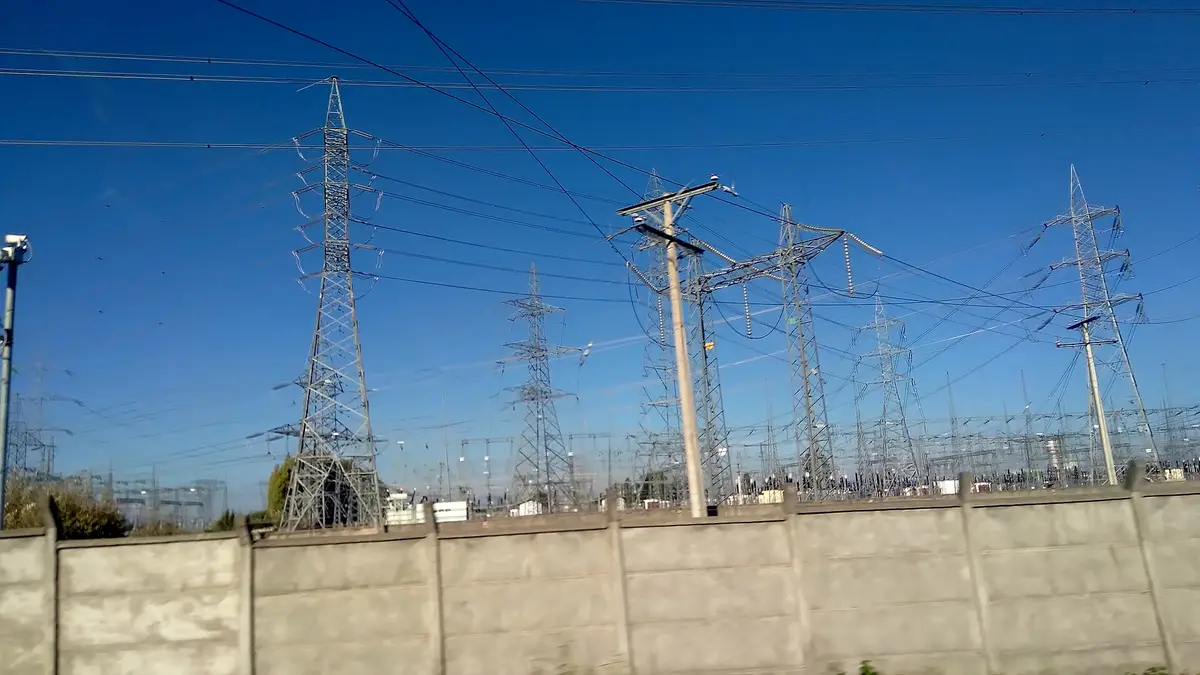
Electrifying also means more electricity demand. The National Electricity Coordinator projects that Chile's consumption could almost double by 2046 because of mining, hydrogen and data centres, as we reported in the article on electricity demand to 2046. That energy would have to come from new renewable plants, batteries and transmission lines, precisely the safeguards Chile asked for in its letter.
Frequently asked questions
What is the COP31 35x35 goal?
It is a voluntary pledge proposed by the Turkish COP31 presidency for electricity to reach 35% of the world's final energy consumption by 2035, up from about 23% today.
How much of Chile's energy is electricity?
22.3% of final energy consumption in 2024, according to Uno Punto Cinco using National Energy Balance data. In 2010 it was 20.4%.
Is the goal binding for Chile?
No. It is a voluntary, non-binding pledge. Chile backed it in a letter dated 18 November 2026 and asked that each country's circumstances be taken into account.
Which sector is least electrified in Chile?
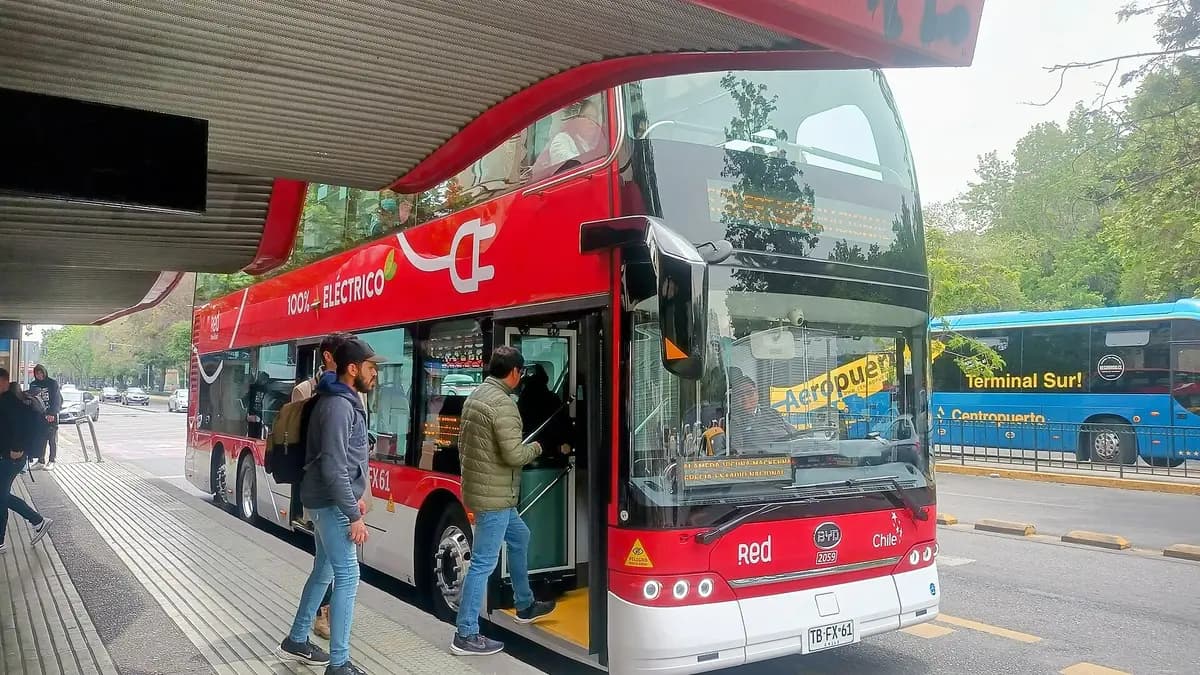
Transport, with just 1.1% of its consumption in electricity, despite Santiago's large fleet of electric buses.