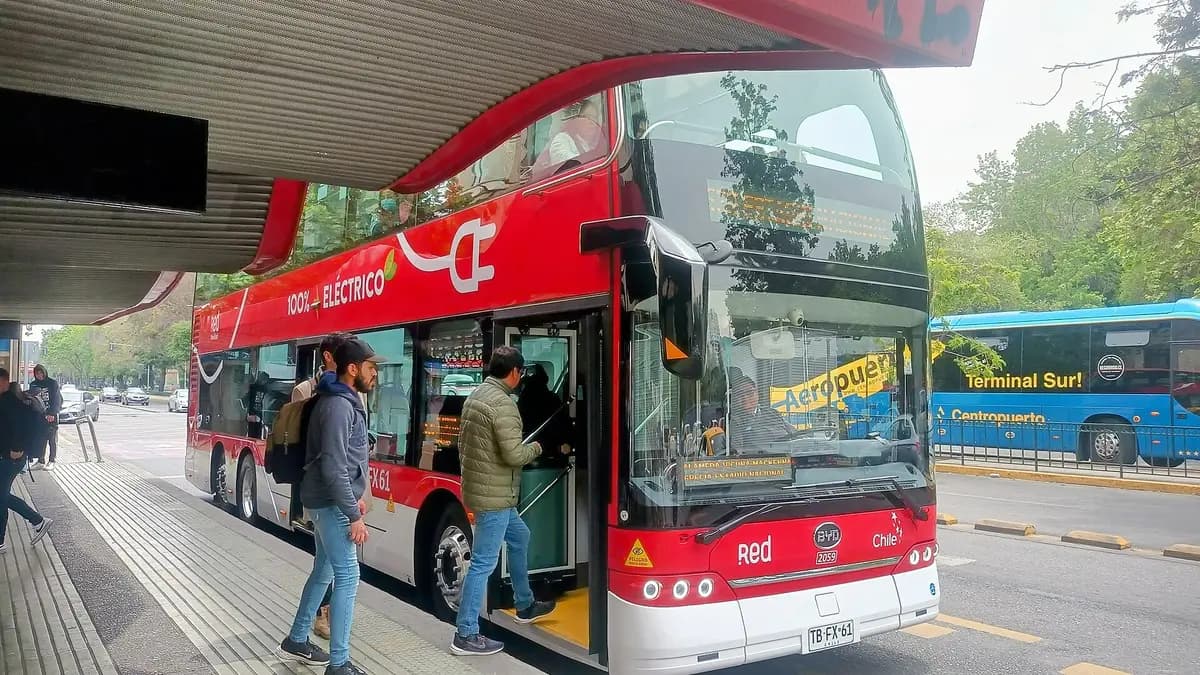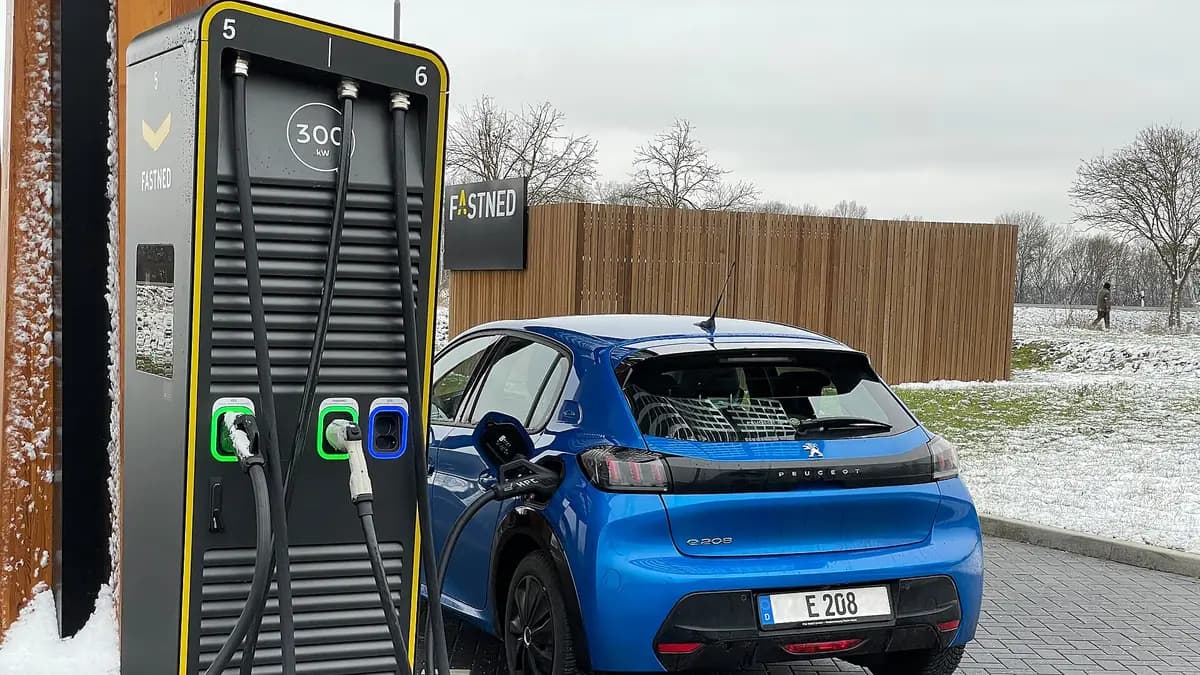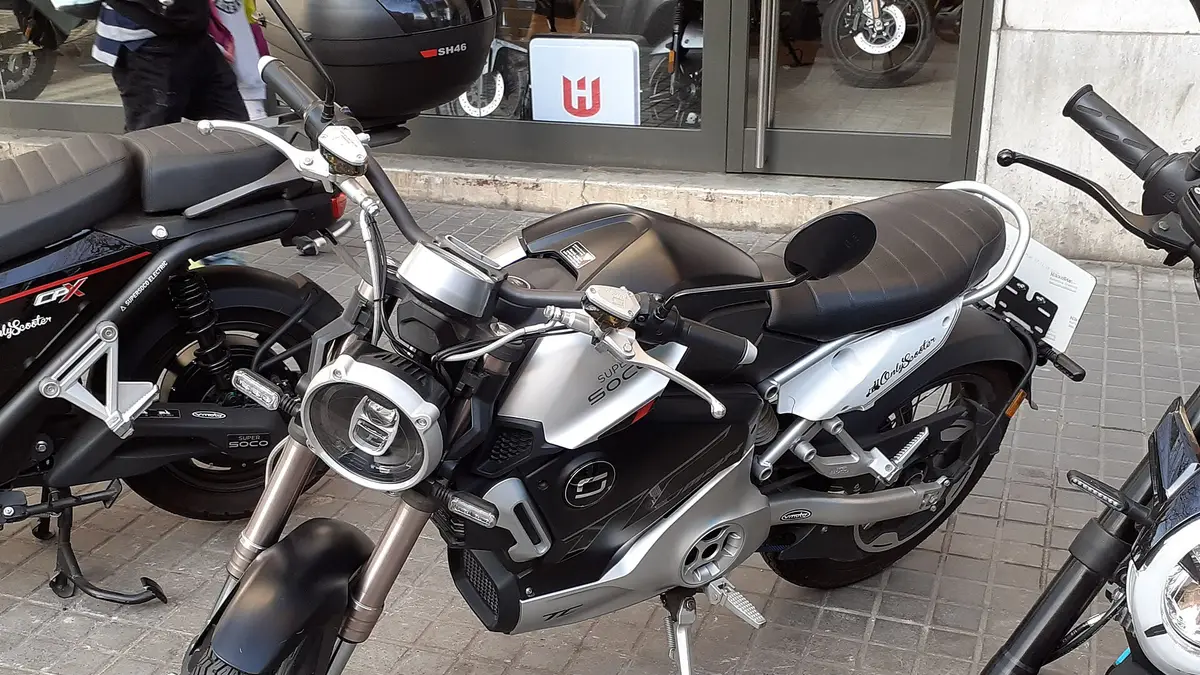
An electric motorcycle costs in Chile from about CLP 1.1 million for urban models that reach 45 or 50 km/h up to CLP 6.8 million for bikes that exceed 100 km/h, according to prices published by specialist shop Urbango on 4 November 2026. A full charge costs between CLP 340 and CLP 1,200 with electricity at CLP 255.27 per kWh, and riding 100 km costs between CLP 500 and CLP 650 in electricity.
Unlike an e-bike or an e-scooter, an electric motorcycle that exceeds 25 km/h or 250 W is a motor vehicle: it needs a class C licence, a number plate, SOAP compulsory insurance and a circulation permit, the latter with a 75% discount in 2026 under Chile's electric mobility law. This guide brings together prices, range, charging cost and legal requirements for choosing an electric motorcycle in Chile.
Electric motorcycle prices in Chile in 2026
The table lists models published by Urbango, one of the shops with the widest range of electric motorcycles in Chile, at prices in force on 4 November 2026. The battery shows voltage and amp-hours; capacity in kWh is an Energía Futura calculation (volts × amp-hours).
| Model | Top speed | Stated range | Battery | Capacity (kWh) | Price (CLP) |
|---|---|---|---|---|---|
| CityCoCo City Urbana 2.0 (1,500 W) | 50 km/h | 45 km | 60 V 20 Ah | 1.2 | from 1,090,000 |
| WOQU C1 (1,000 W) | 45 km/h | 50 km (100 with 2nd battery) | 72 V 20 Ah | 1.44 | 1,190,000 |
| CityCoCo E-Thor (4,000 W) | 65 km/h | 100 km | 60 V 30 Ah | 1.8 | 2,190,000 |
| One Moto Commuta (2 kW) | 55 km/h | 80 km | 60 V 27.5 Ah | 1.65 | 2,490,000 |
| Super Soco Cux* | 47-57 km/h | up to 85 km at 45 km/h | 60 V 30 Ah | 1.8 | 3,400,000 |
| Energy Motors E-Odin 1.0 | 90 km/h | n/a | 72 V 50 Ah | 3.6 | 3,890,000 |
| One Moto Byka (4 kW) | 85 km/h | 150 km | 72 V 48 Ah | 3.46 | 3,990,000 |
| Super Soco CPx* | 88-98 km/h | n/a | 60 V 45 Ah | 2.7 | 5,500,000 |
| Horwin CR6* | 95 km/h | n/a | 72 V 55 Ah | 3.96 | 5,690,000 |
| Horwin CR6 Pro | 110 km/h | n/a | 72 V 60 Ah | 4.32 | 6,790,000 |
Source: Urbango, 4 November 2026; Super Soco Cux range from Super Soco Chile. * Listed as unavailable or to order only. "n/a": the shop does not give the figure. Stated range is under ideal conditions; in real use, with hills, weight and high speed, it is usually lower.
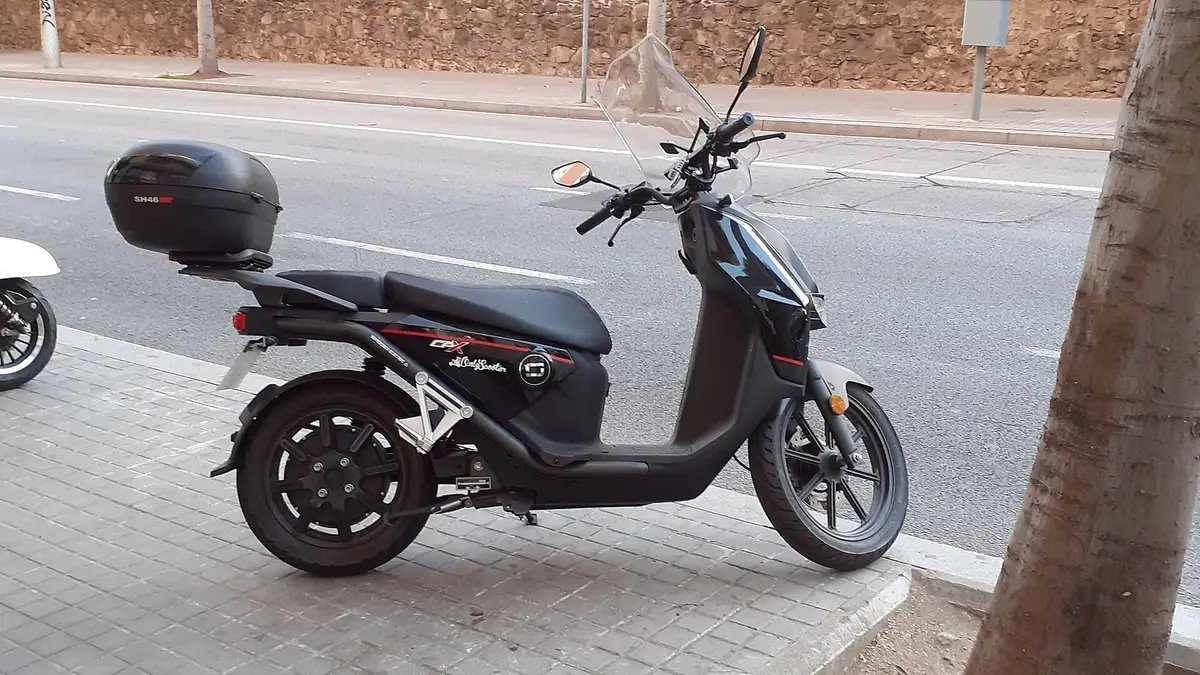
How much it costs to charge an electric motorcycle
An electric motorcycle charges from an ordinary household socket with the charger supplied, and many have a removable battery so it can be charged inside a flat. The cost of a full charge depends on battery capacity. The calculations add 10% charger losses and use electricity at CLP 255.27 per kWh, the BT1 residential rate including VAT in CGE's tariff schedule in force since 1 October 2026.
| Battery | Example | Grid energy per charge | Cost of a full charge (CLP) |
|---|---|---|---|
| 1.2 kWh | CityCoCo City Urbana 2.0 | 1.32 kWh | 337 |
| 1.44 kWh | WOQU C1 | 1.58 kWh | 404 |
| 1.8 kWh | CityCoCo E-Thor, Super Soco Cux | 1.98 kWh | 505 |
| 2.7 kWh | Super Soco CPx | 2.97 kWh | 758 |
| 3.46 kWh | One Moto Byka | 3.80 kWh | 971 |
| 4.32 kWh | Horwin CR6 Pro | 4.75 kWh | 1,213 |
In other districts the price per kWh varies; check your distributor's rate in our table of electricity prices in Chile by district.
Electric or petrol motorcycle: the cost of 100 km
Based on stated range, the One Moto Byka uses about 2.5 kWh per 100 km from the grid, about CLP 650; the CityCoCo E-Thor, about 2.0 kWh, close to CLP 505. For a petrol motorcycle, with 93-octane petrol at CLP 1,498 per litre (Santiago region average on 18 October 2026, according to National Energy Commission data), 100 km costs CLP 3,745 if the bike does 40 km per litre and CLP 2,500 if it does 60 km per litre.
| Motorcycle | Consumption per 100 km | Cost per 100 km (CLP) | Monthly cost (660 km: 30 km a day, 22 days, CLP) |
|---|---|---|---|
| Electric, One Moto Byka | 2.5 kWh | 650 | 4,290 |
| Electric, CityCoCo E-Thor | 2.0 kWh | 505 | 3,330 |
| Petrol bike doing 40 km/l | 2.5 litres | 3,745 | 24,700 |
| Petrol bike doing 60 km/l | 1.7 litres | 2,500 | 16,500 |
Energía Futura calculations. Petrol motorcycle fuel economy figures are reference assumptions, not data for a specific model. The monthly difference, CLP 12,000 to 21,000, does not on its own pay back the price gap between an electric bike and an equivalent petrol one within a few months, but it adds to simpler maintenance: no oil changes, filters or spark plugs.
Do you sell electric motorcycles, bikes or scooters? Reach Energía Futura's readers.
See advertising optionsWhat licence an electric motorcycle needs in Chile
Chile's Road Coexistence Law 21,088 treats as cycles vehicles with an auxiliary electric motor of up to 250 W continuous rated power, whose assistance cuts out at 25 km/h. These need no licence or plates; this covers e-bikes and e-scooters, which we review in the guide to electric scooters.
All the motorcycles in the table exceed those limits, so they are motor vehicles with the same obligations as a petrol motorcycle:
- Class C driving licence, which covers motorcycles, mopeds and similar vehicles, with combustion or electric motors.
- Registration in the Motor Vehicle Register and a number plate. For that, the model must be type-approved; units the shop marks as "not type-approved" cannot be registered for road use.
- SOAP (compulsory personal accident insurance).
- Circulation permit, with a discount for being electric (see below).
- Certified helmet for rider and passenger.
Circulation permit for an electric motorcycle
Law 21,505, on energy storage and electric mobility, published in November 2022, exempted electric vehicles from the circulation permit for two years and then set staggered payments. In 2026, electric and plug-in hybrid vehicles pay only 25% of the permit, a 75% discount, according to Emol. The discount shrinks in the following years until the full amount is paid.
| Payment year | Share of the permit paid |
|---|---|
| 2023 and 2024 | 0% (exempt) |
| 2025 and 2026 | 25% |
| 2027 and 2028 | 50% |
| 2029 and 2030 | 75% |
| From 2031 | 100% |
Source: Law 21,505 and its application as reported by the specialist press. The permit amount depends on the model's tax valuation; for motorcycles it is usually much lower than for cars.
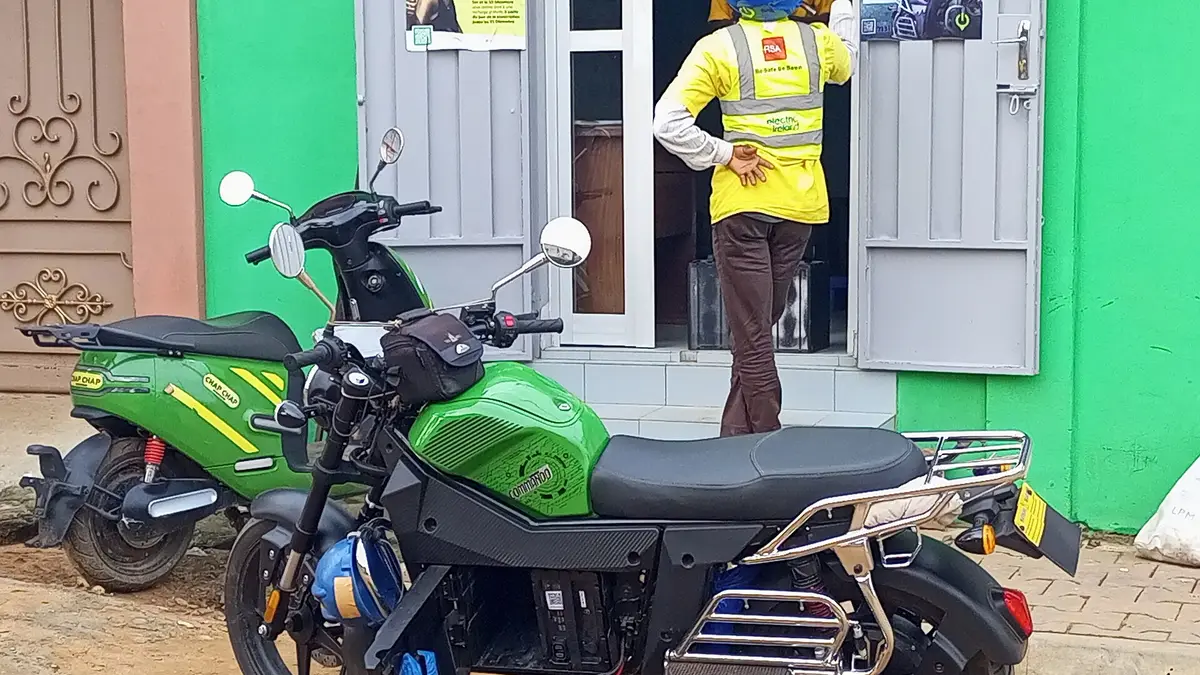
Which electric motorcycle suits each use
- Short trips around the neighbourhood (under 20 km a day): a 45-50 km/h model with 1.2 to 1.5 kWh, from CLP 1.1 million.
- City with fast avenues (20 to 40 km a day): a 55 to 65 km/h bike with about 1.8 kWh, between CLP 2.2 and 3.4 million.
- Long trips or urban motorways: one doing 85 km/h or more with 3.5 kWh or more, from about CLP 3.9 million.
- Flat without a parking space with a socket: choose a removable battery to charge it at home.
- Delivery work: prioritise real range and a second battery; some brands offer one as an option.
Before buying, ask about the battery warranty, the availability of spare parts and service in Chile and whether the model is type-approved. The market for electric motorcycles and scooters is growing fast worldwide and in the region, and local supply changes often. If trips are short and there are bike lanes, an electric bicycle costs less and needs no licence.
Frequently asked questions
How much does an electric motorcycle cost in Chile?
From about CLP 1.1 million for 45-50 km/h urban models to about CLP 6.8 million for 110 km/h bikes, according to Urbango on 4 November 2026.
How much does it cost to charge an electric motorcycle?
Between CLP 340 and 1,200 per full charge, depending on the battery, with electricity at CLP 255.27 per kWh. Riding 100 km costs about CLP 500 to 650.
Do you need a licence to ride an electric motorcycle?
Yes: if it exceeds 250 W or 25 km/h, it needs a class C licence, plates, SOAP insurance and a circulation permit.
Do electric motorcycles pay the circulation permit?
Yes, but with a discount: in 2026 they pay 25% of the amount under Law 21,505.
How many kilometres does the battery last?
Between 45 and 150 km depending on the model, under ideal conditions. In real use it is usually less.