The Escondida solar plant, at the world's largest copper mine, has entered environmental review. Parque Artemis I SpA, a company of China's Sungrow, submitted the Helia Photovoltaic Park and Battery Energy Storage System (BESS) to Chile's Environmental Impact Assessment System (SEIA) on October 27, 2026, with an investment of US$110 million, according to the project record in the SEIA.
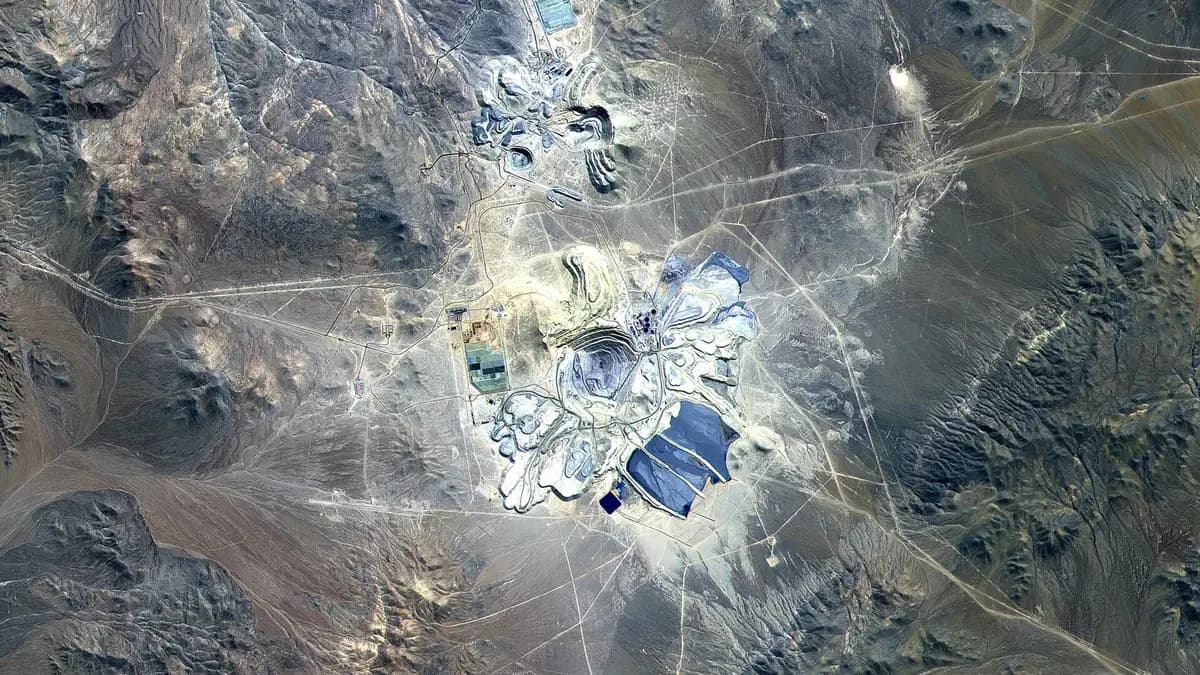
Helia will have a 75 MWac solar plant and a 75 MW lithium-ion battery, and its power will go only to Minera Escondida, operated by BHP in the Antofagasta Region. It would be built inside the mine's industrial area, about 160 kilometers southeast of Antofagasta and at roughly 3,200 meters above sea level, on about 120 hectares, as detailed by REDIMIN on October 28.
The project was filed as an Environmental Impact Statement (DIA) and is at the admission stage: it has no environmental approval yet and no permit to build. According to the SEIA record, Sungrow will be the "sole party responsible for its development, construction, operation and management," with management independent from any customer of the energy.
The Escondida solar plant in figures
The panels will be mounted on solar trackers, structures that rotate to follow the sun during the day. Power will be delivered through two 23 kV medium-voltage lines, 3.3 km long, connecting directly to Minera Escondida's Laguna Seca substation, an existing facility that is not part of the project.
| Feature | Helia |
|---|---|
| Developer | Parque Artemis I SpA (Sungrow) |
| Investment | US$110 million |
| Solar capacity | 75 MWac |
| Battery | 75 MW, lithium-ion (MWh not disclosed) |
| Area | About 120 hectares |
| Altitude | About 3,200 m above sea level |
| Connection | 2 lines of 23 kV and 3.3 km to the Laguna Seca substation |
| SEIA filing | October 27, 2026 (DIA, at admission) |
| Planned construction start | July 2028 |
| Useful life | 21 years |
Source: SEIA (record 2169828031) and REDIMIN, October 28, 2026. Neither the record nor the press reports the battery's capacity in megawatt-hours, which determines how many hours it can supply power without sun.
Construction would employ 114 to 169 people, depending on the phase, and operation about 8 or 9. The developer argues the project does not require a full Environmental Impact Study and proposes voluntary commitments: fauna monitoring, bird protection measures, safeguarding paleontological heritage and local hiring, according to REDIMIN.
Helia, Cenit and BHP's agreement with Sungrow
The project stems from the long-term agreements BHP signed with Sungrow in June 2026 to generate and store solar power inside its two copper mines in Chile. According to Reporte Minero and pv magazine Latam, the plan includes 110 MW of solar and a 110 MW / 540 MWh battery at Escondida, and 85 MW of solar with 85 MW / 420 MWh at Spence: a total of 195 MW and 960 MWh, operating from fiscal year 2029.
At 75 MW, Helia is smaller than the 110 MW announced for Escondida. It is unclear whether it is part of the program, a design change or a different configuration, REDIMIN noted. On the same day, October 27, another Sungrow company, Parque Apolo I SpA, filed the Cenit project for Minera Spence, according to the SEIA project search and Reporte Minero.
| Project | Mine | Solar | Battery | Investment | Municipality |
|---|---|---|---|---|---|
| Helia | Escondida | 75 MWac | 75 MW (MWh not disclosed) | US$110 million | Antofagasta |
| Cenit | Spence | 20 MWac | 100.3 MWh (20 units of 5,015 kWh) | US$40 million | Sierra Gorda |
| BHP-Sungrow agreement (Escondida) | Escondida | 110 MW | 110 MW / 540 MWh | Not disclosed | — |
| BHP-Sungrow agreement (Spence) | Spence | 85 MW | 85 MW / 420 MWh | Not disclosed | — |
Source: SEIA (October 27, 2026), REDIMIN, Reporte Minero (June 1 and October 29, 2026) and pv magazine Latam. Cenit would occupy 31 hectares at 1,750 meters, about 62 km southwest of Calama, and also plans to start construction in July 2028.
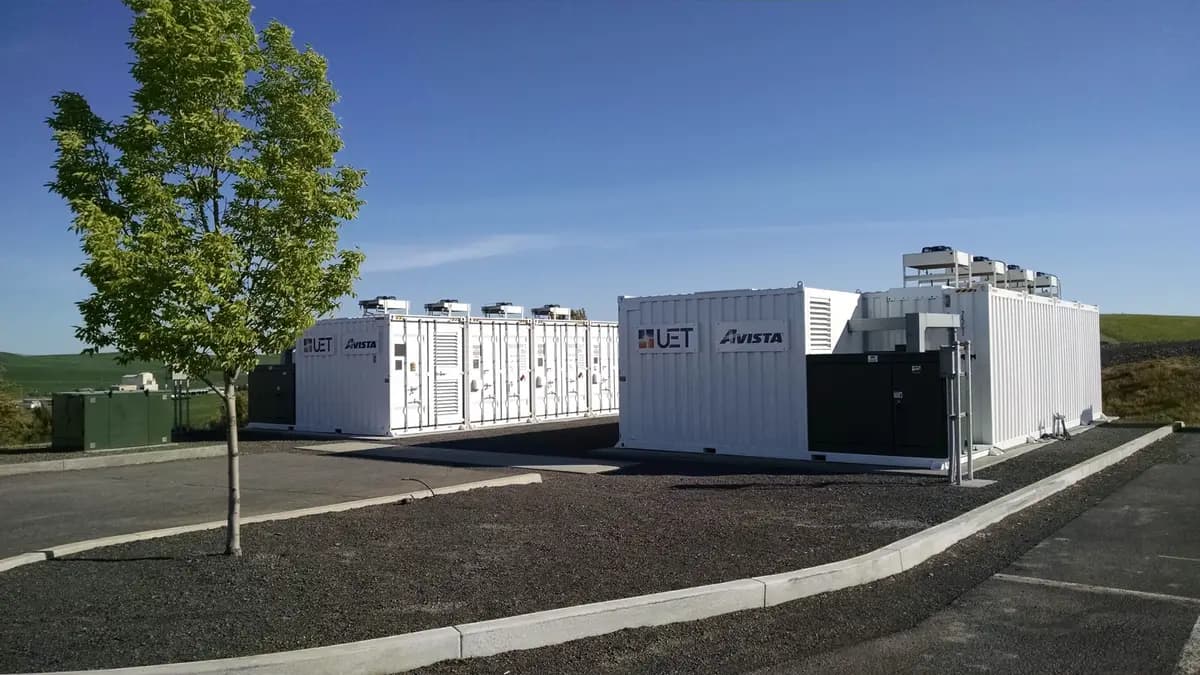
Why the Escondida solar plant includes batteries
Escondida and Spence have run on 100% renewable electricity since fiscal year 2022, through long-term supply contracts. BHP stated in a November 2024 presentation that the two operations account for about 9% of Chile's electricity demand. The on-site plants do not replace those contracts: they complement them with generation at the point of consumption.
A mine runs 24 hours a day, but the sun does not. That is why the SEIA record explains that the battery will "store the energy generated during periods of highest solar irradiation and supply it at times of lower generation or higher demand." When the agreements were signed in June, Adam Favero, BHP's vice president of Development, said that placing generation at the point of consumption strengthens resilience, and the company added that it eases pressure on the grid, according to Reporte Minero.
BHP has also launched a tender to contract up to 6 TWh of renewable electricity per year for Escondida and Spence, with contracts of up to 20 years and supply from 2032. Large copper miners are among the biggest buyers of clean energy in Chile, as shown in our analysis of how much renewable energy each major miner in Chile uses.
Energy and water: Escondida's other big consumption
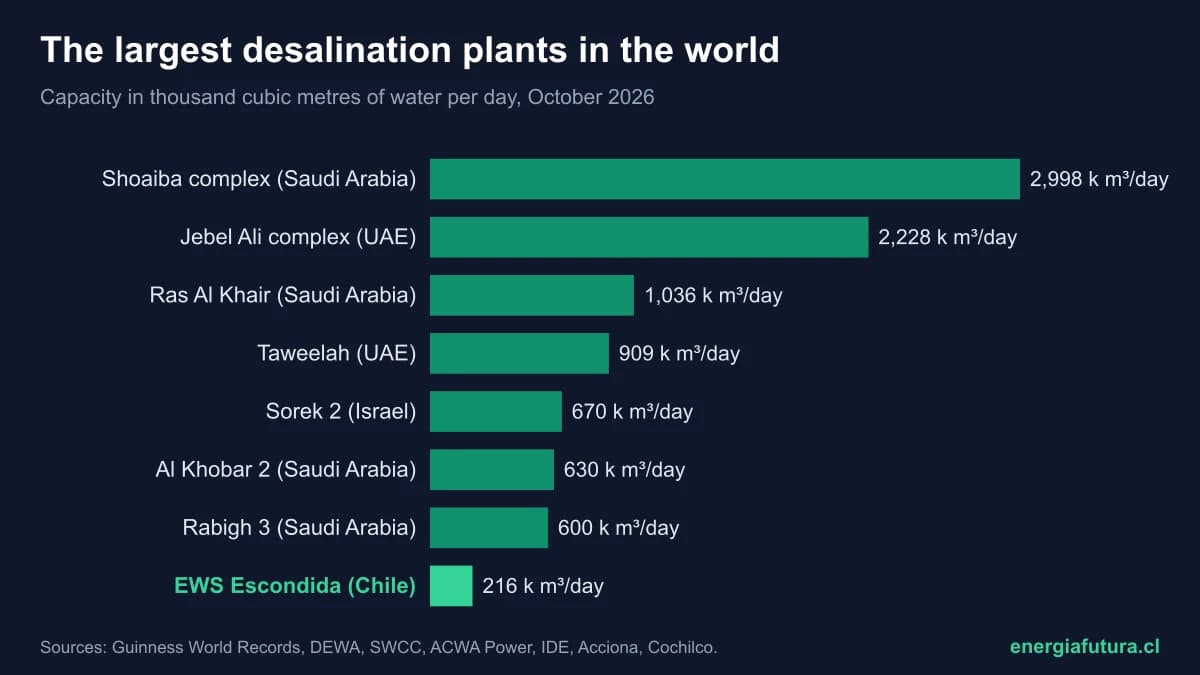
Much of Escondida's electricity is used to carry seawater up into the mountains. Its desalination plant at Puerto Coloso, south of Antofagasta, has a capacity of 2,500 liters per second, on top of the 525 l/s of the original plant operating since 2006. The water climbs to the mine, at 3,200 meters, through two 42-inch pipelines about 180 km long, driven by four pumping stations, according to ProActivo.
| Escondida in figures | Figure | Source |
|---|---|---|
| Copper production 2025 | 1,347,600 tonnes | MINING.COM (May 2026) |
| Renewable electricity | 100% since fiscal year 2022 | BHP |
| Power demand (with Spence) | About 9% of Chile's | BHP (November 2024) |
| Puerto Coloso desalination | 2,500 l/s + 525 l/s from the original plant | ProActivo / BHP |
| Water pumping | 4 stations, up to 3,200 m | ProActivo |
| Freshwater target | Zero use in Chile from 2030 | BHP |
BHP has set out to eliminate all freshwater use at its Chilean operations from 2030. That target increases dependence on desalinated water and, with it, the electricity needed for pumping. More details in our report on seawater use in Chilean mining.
What comes next for the Escondida solar plant
Chile's Environmental Assessment Service must first decide whether to admit the DIA for processing. If it does, public agencies will review the studies on fauna, vegetation, archaeological and paleontological heritage, emissions and noise. The developer plans to start construction in July 2028, subject to environmental approval, with a development horizon through 2049.
Escondida produced 1,347,600 tonnes of copper in 2025 and is by far the largest copper mine in the world. With Helia and Cenit, BHP would be one of the first major miners in Chile to have solar generation with batteries inside its operations, alongside projects such as the 193 MW solar park linked to the Tovaku mine, approved this month.
Still unknown are the megawatt-hour capacity of Helia's battery, its exact relationship to the 110 MW agreement announced in June, and the effect it will have on Escondida's carbon footprint per tonne of copper. Neither BHP nor Sungrow has made public statements about the SEIA filing.
Does your company develop solar power, batteries or solutions for sustainable mining? Reach Energía Futura's readers.
See advertising optionsFrequently asked questions
What is the Helia project?
It is a 75 MWac photovoltaic park with a 75 MW battery that Sungrow, through Parque Artemis I SpA, plans to build inside Minera Escondida to supply only that operation. The investment is US$110 million.
Has the Escondida solar plant been approved?
No. It was filed with the SEIA on October 27, 2026 as an Environmental Impact Statement and is at the admission stage. It has no permit to build.
When would construction begin?
The developer expects to start in July 2028 if it obtains environmental approval. The planned useful life is 21 years.
Didn't Escondida already use renewable energy?
Yes. Escondida and Spence have had 100% renewable electricity since fiscal year 2022 through contracts. Helia would add generation and storage inside the mine itself.
What is the Cenit project?
It is a 20 MWac solar plant with 100.3 MWh of batteries and a US$40 million investment in Sierra Gorda, which Sungrow filed with the SEIA on the same day to supply Minera Spence.