Batteries keep arriving in central Chile. The Aucanquilcha Energy Storage System (SAE) and Transmission project, by BIWO Renovables, has won environmental approval to install a battery system of up to 40 MW and 200 MWh in the municipality of Marchigüe, O'Higgins Region, with an investment of US$45 million, Electrominería reported on 25 November.
It is a standalone BESS: there is no solar plant next to it. It will store energy from the National Electricity System when there is surplus, mainly during sunny hours, and return it to the grid when the Coordinador Eléctrico Nacional requires it according to demand. The company says this will make better use of transmission infrastructure and of the energy generated.
View the data as a table
| Power | 40 MW |
| Storage capacity | 200 MWh |
| Investment | US$45 million |
| Footprint | 1.2 ha |
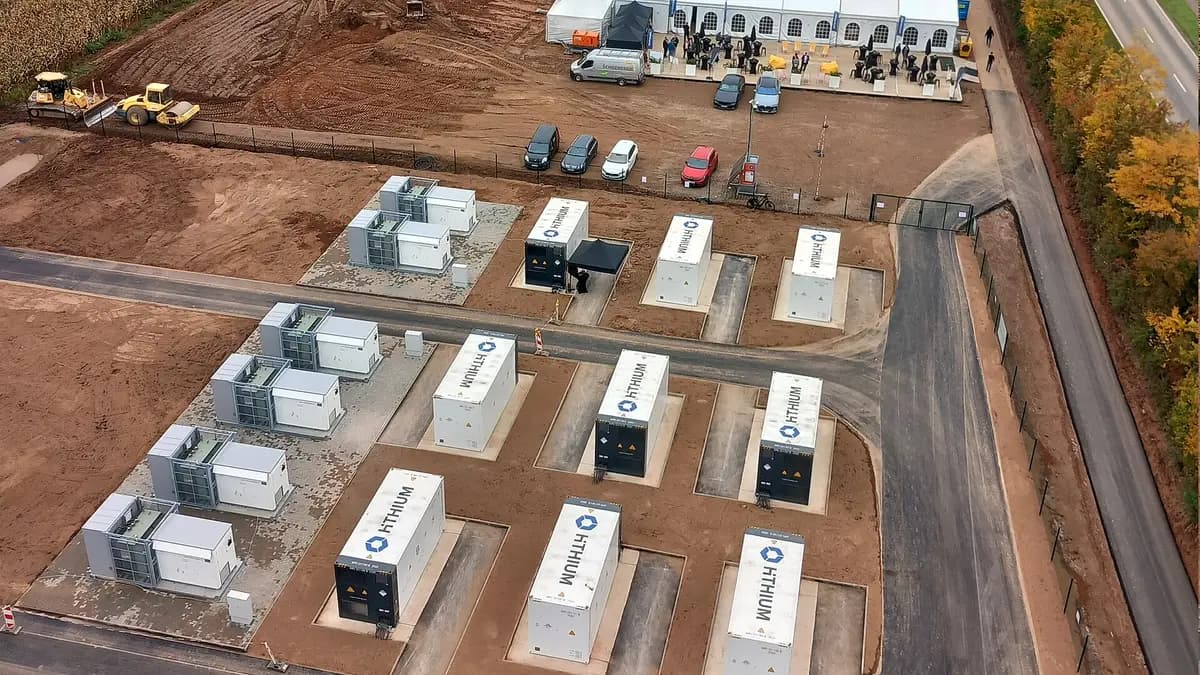
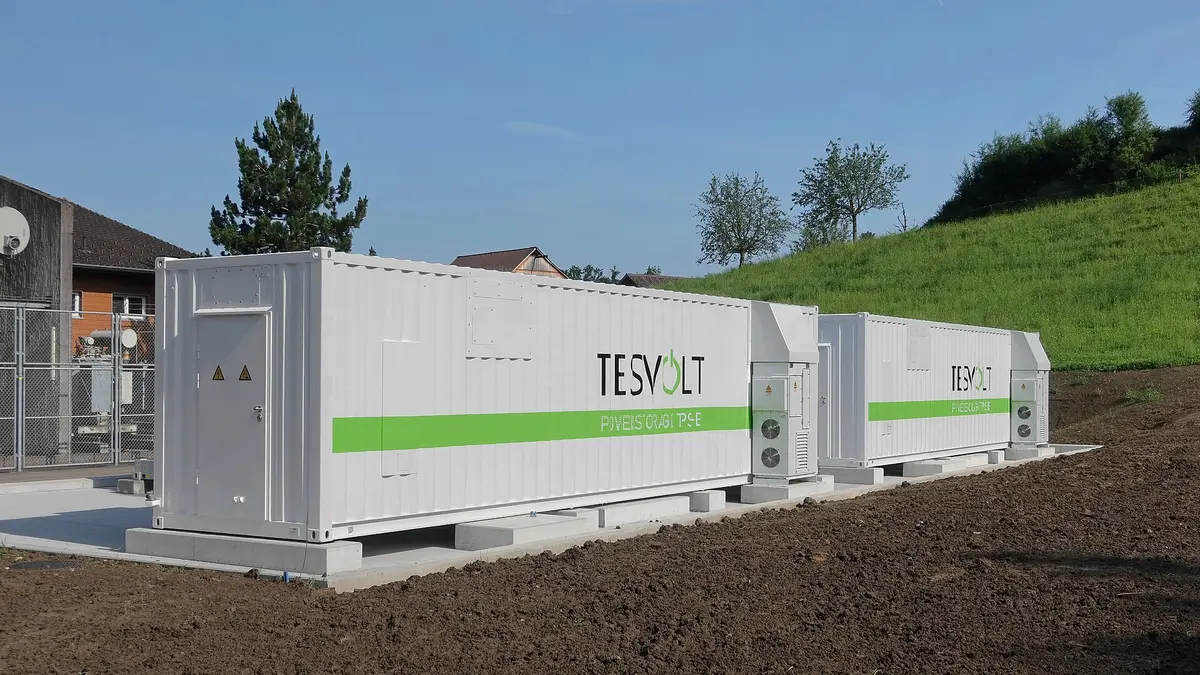
What the Aucanquilcha battery system looks like
The batteries will be housed in containers on about 1.2 hectares. The project includes a 23/66 kV step-up substation and a single-circuit 66 kV transmission line, with an underground section of 332.7 metres and an overhead section of 24 metres, according to the notice published in the Diario Oficial. The project owner is SAE Volcán Aucanquilcha SpA.
The project entered Chile's environmental assessment system as an Environmental Impact Declaration (DIA) on 29 October 2025, as a new containerised battery storage system. It went through a 20-working-day public consultation opened by the O'Higgins regional office of the Environmental Assessment Service, whose notice was published on 27 March 2026.
| Item | Value |
|---|---|
| Project | Aucanquilcha SAE and Transmission |
| Company | BIWO Renovables (SAE Volcán Aucanquilcha SpA) |
| Location | Marchigüe, Cardenal Caro province, O'Higgins |
| Power | Up to 40 MW |
| Capacity | 200 MWh |
| Investment | US$45 million |
| Footprint | 1.2 hectares |
| Connection | 23/66 kV substation and 66 kV line (332.7 m underground, 24 m overhead) |
| Assessment route | DIA, filed 29 October 2025 |
Source: BIWO Renovables, via Electrominería (25 November 2026), and Diario Oficial (27 March 2026). The company has not given construction or start-up dates.
- 29 October 2025Enters SEIA as a DIA
- December 2025Public consultation opens
- 27 March 2026Notice in the Diario Oficial: 20 working days for comments
- November 2026Wins environmental approval
Marchigüe, a battery hub in O'Higgins
Aucanquilcha is not the only storage project in the municipality. Marchigüe will also host Observatorio, by Verano Energy, a plant with 123 MWp of solar and about 600 MWh of batteries, which in October secured US$187 million in green loans, as we reported in our story on its financing. Together, the two projects would give Marchigüe about 800 MWh of storage.
Batteries in central Chile make sense for the grid. Most BESS have been installed in the north, close to solar plants, while the big demand centres are in the middle of the country. A system that charges during sunny hours, when the marginal cost often drops to zero, and discharges at night helps reduce curtailment and cover evening demand.
| Project | Municipality | Type | Storage |
|---|---|---|---|
| Observatorio (Verano Energy) | Marchigüe | 123 MWp solar with batteries | ~600 MWh |
| Aucanquilcha (BIWO Renovables) | Marchigüe | Standalone 40 MW batteries | 200 MWh |
| Los Boldos | Requínoa | 150 kW of panels with batteries for farm use | 215 kWh |
Source: Electrominería, REDIMIN and Energy Ministry.
Why batteries are built without solar plants
A standalone BESS makes money from price differences through the day. In the week of 16-22 November, the marginal cost was at US$5 per MWh or less 62.1% of the time in the central zone, from Quillota to Ancoa, according to the balance by Aclai Consultores using grid-operator data. During sunny hours the cost is almost always zero; in the evening peak, from 18:00 to 22:59, it rises. A battery buys cheap at midday and sells in those hours.
Batteries are also starting to earn money from stability services. The grid operator's 2027 Ancillary Services Report records 4.25 GW of batteries with grid-forming (GFM) capability that could add strength to the system, and opens the door for this kind of BESS to compete with synchronous condensers in the next northern tender. Chile has already passed 3,000 MW of batteries, as we reported in our story on the 3,000 MW milestone.
| Zone | Average marginal cost (16-22 Nov) | Time at US$5/MWh or less |
|---|---|---|
| North (Tarapacá to Nueva Pan de Azúcar) | US$15.5/MWh | 69.7% |
| Centre (Quillota to Ancoa) | US$14.5/MWh | 62.1% |
| Charrúa | US$12.5/MWh | 72.9% |
Source: Aclai Consultores using Coordinador Eléctrico Nacional data, via Electrominería, 25 November 2026.
Storage on the farm too: the Requínoa case
Storage is also reaching farm scale. On 24 November, the Los Boldos farm in Requínoa inaugurated a project with 150 kW of solar panels and 215 kWh of batteries, which stores daytime energy for use during peak hours to cut the farm's electricity costs, according to the Energy Ministry. The regional energy secretary, Alejandra Avendaño, presented it as a boost to “more sustainable agriculture for O'Higgins”.
How much storage will connect in 2027
The O'Higgins projects are part of a national wave. The CNE projects that 12,394 MWh of storage will connect to the grid in 2027, with 76 projects already declared under construction. If deadlines are met, cumulative capacity would go from about 10,000 MWh to more than 20,000 MWh by the end of 2027, as we detailed in the CNE's 2027 forecast.
View the data as a table
| Batteries due to connect in 2027 | 12,394 MWh |
| Projects declared under construction | 76 |
| Capacity by end-2027 | over 20,000 MWh |
Does your company develop, finance or maintain battery systems? Reach Energía Futura's readers.
See advertising formatsFrequently asked questions
What is a standalone BESS?
It is a battery system connected directly to the grid, with no associated solar or wind plant. It buys or stores energy when there is surplus and returns it when the system needs it.
How much will the Aucanquilcha project store?
200 MWh, with power of up to 40 MW.
Where is Marchigüe?
It is a municipality in Cardenal Caro province, in the dry coastal hills of the O'Higgins Region, between Santa Cruz and the coast at Pichilemu.
When will it start operating?
The company has not announced construction or start-up dates.