Chile's National Electricity Coordinator ruled out a diesel stock shortage in the south of the country and lifted the energy deficit condition linked to that fuel. In a reply to a request from the National Energy Commission (CNE), reported on 10 November by Electrominería, the grid operator estimated 57 days of autonomy with the diesel available, even at maximum sustained consumption.
The clarification corrects the October Security of Supply Study for Macrozone 4, the southern zone. That report had calculated a deficit of 150 MWh a day in November and 35.5 MWh a day in January, but did so by mistakenly assuming an initial diesel stock of zero. The actual stock is 1,973 tonnes, equivalent to 2,349 cubic metres.
View the data as a table
| Estimated autonomy | 57 days |
| Effective initial stock | 2,349 m³ |
| Net deficit in November | 41 m³ a day |
| Capacity risk | 22.6 MW |
How much diesel there is in the south and how long it lasts
According to the Diesel Study cited by the Coordinator, November is the most critical month: maximum sustained consumption by back-up plants would reach 747 m³ a day, against a resupply capacity of 706 m³ a day. The net deficit is 41 m³ a day, covered by existing stock for 57 days.
| Indicator | Figure | What it means |
|---|---|---|
| Effective initial stock | 2,349 m³ (1,973 t) | What the October study left out |
| Maximum sustained use (November) | 747 m³/day | Demanding diesel generation scenario |
| Resupply capacity | 706 m³/day | What can be restocked per day |
| Net deficit | 41 m³/day | Covered by the stock |
| Autonomy with the stock | 57 days | At maximum sustained use |
| Minimum stock for the critical month | ~1,230 m³ (1,035 t) | Current stock almost doubles it |
| Autonomy without resupply | 3 days | If no more diesel arrived |
Source: National Electricity Coordinator, reply to the CNE, according to Electrominería (10 November 2026). The outlet does not detail which plants or companies store that diesel.
The figure of 3 days without resupply shows why logistics matter as much as stock: if the trucks or ships that supply southern plants were interrupted, the margin would be short. But with normal resupply, the stored diesel is enough to get through the most demanding month.
The risk that remains in the south: capacity and transmission
The Coordinator did not declare everything solved. CNE letter No. 983 of 2026 warned of a possible capacity deficit of up to 22.6 MW, present in 5.79% of simulated scenarios. According to the Coordinator, that risk is not due to a lack of diesel but to generation constraints and transmission bottlenecks that limit how much energy can reach the area from the north.
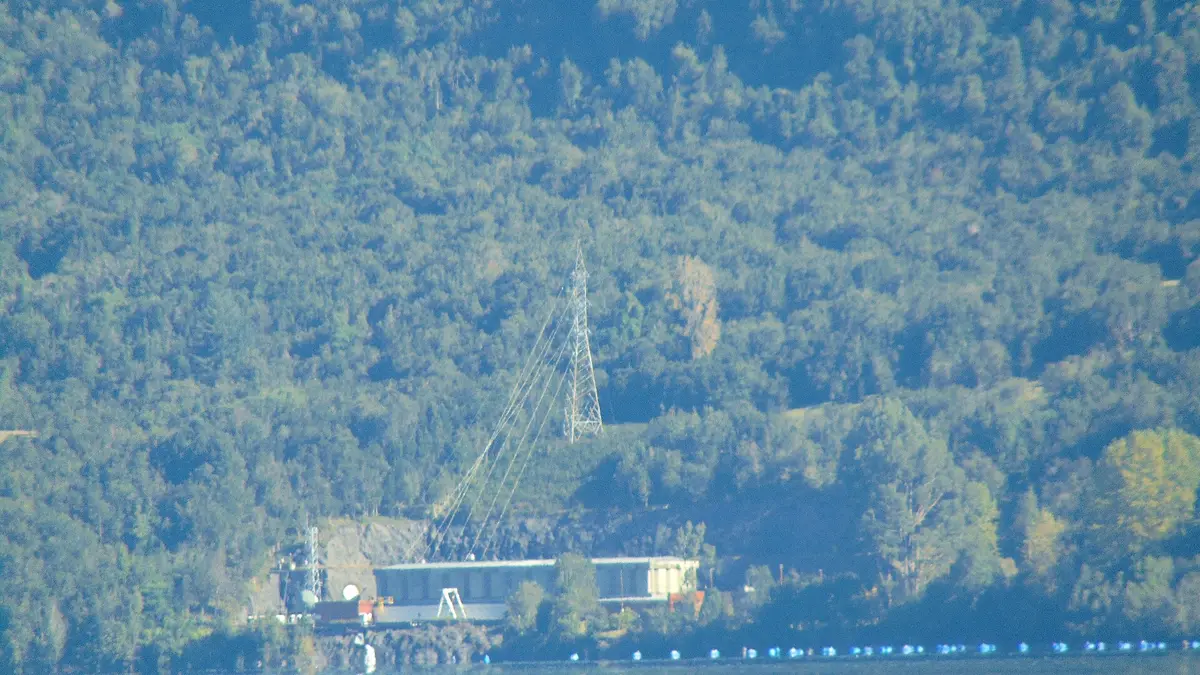
The southern zone enters this summer with a key unit out of service. Unit 1 of Colbún's Canutillar plant has been offline since 3 August and until 15 January 2027, after short circuits were detected between rotor coils, according to the July study cited by Diario Financiero. Canutillar generated 854 GWh in 2025, 33% of the Los Lagos Region's demand.
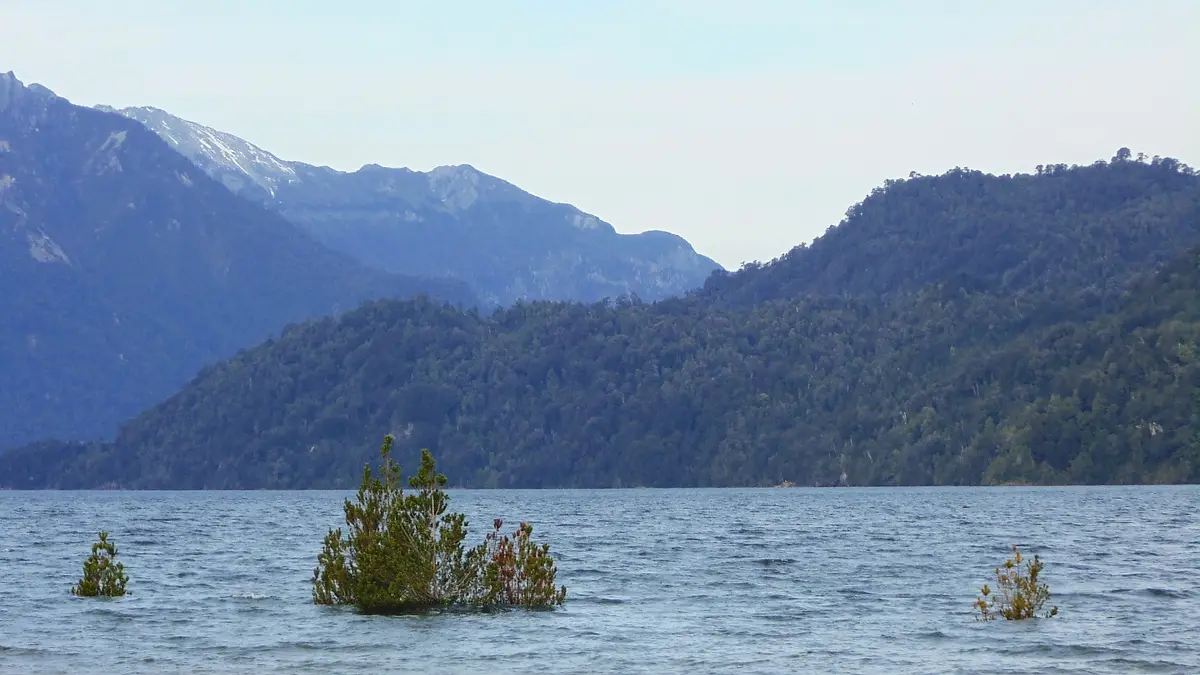
In July, the Coordinator had warned of a deficit risk of up to 20% of demand in Los Ríos and Los Lagos, about 2 GWh a day, between November 2026 and January 2027, if low river flows, high temperatures and little wind coincided. To address it, it asked companies to keep diesel tanks full: about 38,000 m³ at diesel plants and 36,000 m³ at units using diesel as back-up, plus regular reports from Colbún and more flexibility on the minimum level of Lake Chapo.
- 9 Jul 2026First deficit alertThe July study warns of tightness due to drought.
- 29 Jul 2026National deficit ruled outThe risk remains in Los Ríos and Los Lagos: up to 20% of demand.
- 3 Aug 2026Canutillar unit 1 goes offlineDue to short circuits between rotor coils.
- Oct 2026Study assumes zero stockIt calculates a 150 MWh/day deficit in November.
- 10 Nov 2026The Coordinator corrects57 days of autonomy; the diesel deficit condition is lifted.
- 15 Jan 2027Canutillar returns (planned)
| Coordinator measure (July 2026) | Detail |
|---|---|
| Diesel stock at maximum at diesel plants | ~38,000 m³ |
| Stock at maximum at units with diesel back-up | ~36,000 m³ |
| Regular reports from Colbún | Progress on the Canutillar repair |
| Minimum level of Lake Chapo | Seek more flexibility |
| Maintenance | Move it to periods with more slack |
| Additional customer generation | Update the zone's inventory |
Source: the Coordinator's July 2026 Security of Supply Study, according to Diario Financiero (29 July 2026). In that study, Lake Chapo's stored energy had fallen from 170 GWh to 70.1 GWh.
Why southern Chile depends on diesel
The southern power system relies heavily on water: plants such as Canutillar or those in the Biobío generate more when it rains. When a large plant is missing or the year is dry, the immediate back-up is the diesel and gas plants in the area, which are more expensive and more polluting. Transmission capacity from the centre and north, where solar energy is plentiful at midday, is limited, as also happens in other parts of the country.
That diesel use has a cost for everyone. It raises the marginal cost in the hours it runs and adds emissions, in a system that generated more than 80% from renewable sources in September. The long-term solution lies in more transmission and more storage: Chile already has more than 3,100 MW of operating batteries, most of them in the north, and the retirement or conversion of thermal plants continues, as we reported in our story on the Andina and Hornitos plants.
What it means for households in the south
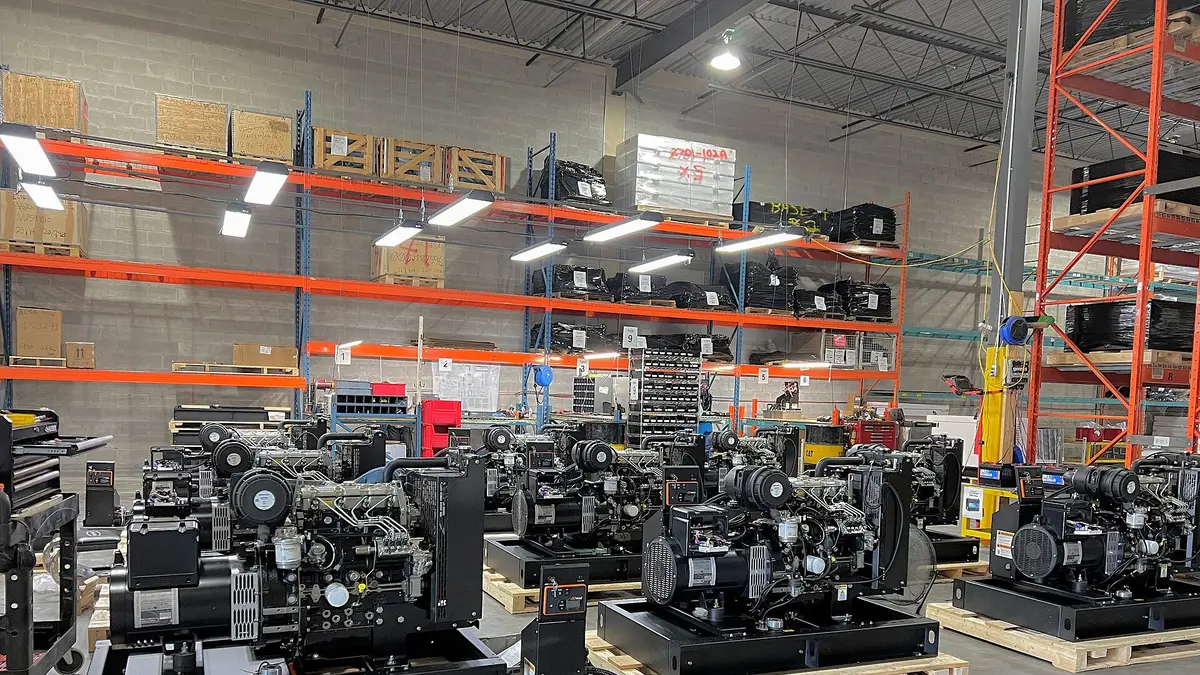
For customers in Los Ríos and Los Lagos, the correction reduces the likelihood of scheduled outages due to fuel shortages this summer. The risk of interruptions due to grid failures or storms is a different matter and depends on distribution companies. For long outages, a back-up of your own can be useful, as we explain in our guide to home generators.
The Coordinator will keep updating its security of supply studies every month. If spring rains, Canutillar's return in January or new projects change the picture, the diesel analysis will also be revised. The grid operator already monitors other critical fuels daily, such as coal for the Angamos plant after the port failure in Mejillones, according to our story on that case.
Does your company work in back-up power, storage or transmission? Reach Energía Futura's readers.
See advertising formatsFrequently asked questions
Will there be a diesel shortage in southern Chile this summer?
The Coordinator ruled out a stock shortage: with 2,349 m³ available, it estimates 57 days of autonomy at maximum sustained use.
Why did the earlier study show a deficit?
Because it mistakenly assumed an initial stock of zero and calculated a deficit of 150 MWh a day in November and 35.5 MWh a day in January.
What risk remains?
A possible capacity deficit of up to 22.6 MW in 5.79% of scenarios, due to generation and transmission constraints, not diesel.
When will the Canutillar plant return?
Unit 1 has been offline since 3 August and is expected back on 15 January 2027.
What is Macrozone 4?
The southern zone of the power system in the Coordinator's studies, which includes Los Ríos and Los Lagos.