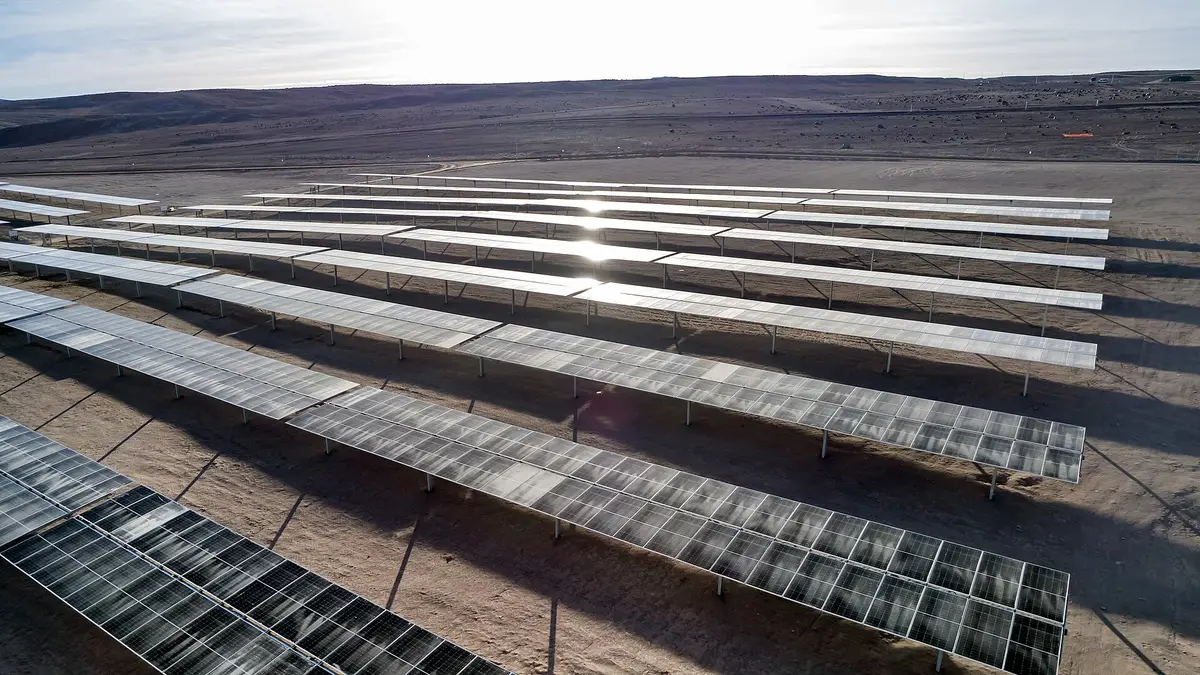
Chile's Superintendency of the Environment (SMA) brought six charges, five serious and one minor, against two photovoltaic parks for breaching their environmental permits: the Tamarico Solar PV Park, owned by Tamarico Solar Dos SpA, in Vallenar (Atacama), and the Granate PV Park, of 9 MW AC, owned by Granate SpA, in Ovalle (Coquimbo). Revista Electricidad and Redimin reported it on 11 November.
The charges concern the protection of wildlife, the rescue of native flora and waste management. “The development of the renewable energy mix must be compatible with protecting natural heritage,” said Superintendent Emanuel Ibarra, according to Revista Electricidad.
View the data as a table
| Charges brought | 6 |
| Maximum fine per serious charge | 5,000 UTA |
| Deadline for a compliance plan | 15 business days |
| Deadline for defences | 22 business days |
| Project | Owner | Municipality and region | Capacity | Charges |
|---|---|---|---|---|
| Tamarico Solar PV Park | Tamarico Solar Dos SpA | Vallenar, Atacama | Not stated in the SMA summary | 3 serious and 1 minor |
| Granate PV Park | Granate SpA | Ovalle, Coquimbo | 9 MW (AC) | 2 serious |
Source: SMA, enforcement case files 4690 and 4720, according to Revista Electricidad (11 November 2026).
The charges against the Tamarico solar park in Vallenar
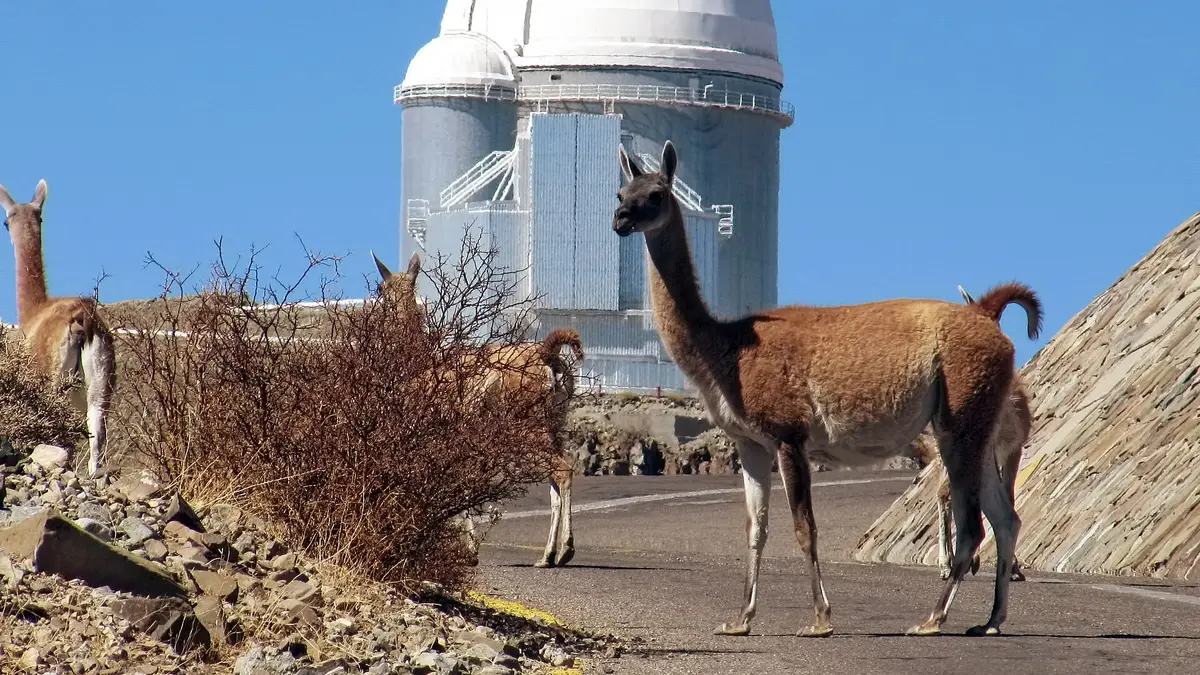
Tamarico received three serious charges and one minor charge, according to the SMA case file. The first concerns wildlife: there was no road signage to prevent guanacos and foxes from being run over, no counts or sterilisation campaigns for feral dogs, reptile shelters were built outside the authorised area of influence, and the transmission line lacked anti-collision and anti-electrocution devices for birds.
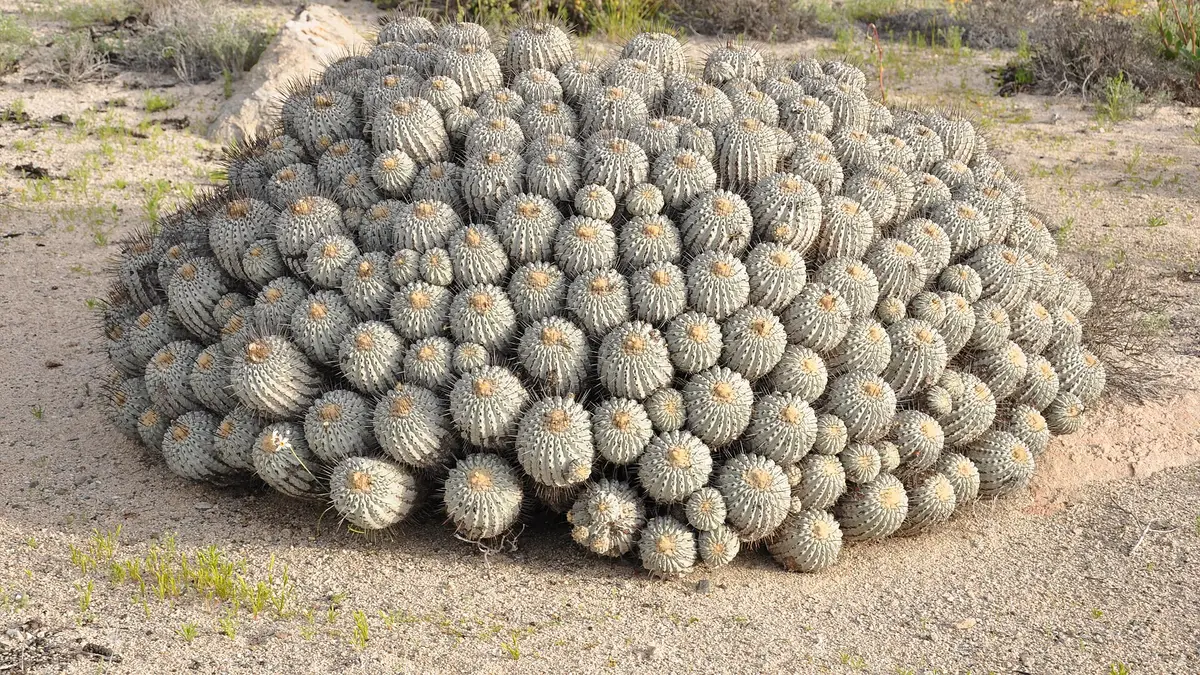
The second serious charge concerns flora. The environmental permit required at least 90% of rescued plants to survive, but the SMA found rates of 66% for *Austrocylindropuntia miquelii*, 36% for *Cumulopuntia sphaerica* and 0% for *Cordia decandra*. In addition, the seed material (germplasm) was sent to nurseries not authorised by the permit.
The third serious charge concerns vehicle and heavy machinery traffic through areas where protected cacti had been relocated, which destroyed and crushed them. The minor charge concerns waste: discrepancies in records of industrial and household waste, shipments to unauthorised facilities and a lack of traceability in the SIDREP system for hazardous waste.
The charges against the Granate solar park in Ovalle
Granate received two serious charges, according to its case file. The first concerns bird protection: the project's 23 kV line lacked the required insulation on conductors and cables, and energised structures did not keep the minimum separation of two metres, exposing birds to electrocution.
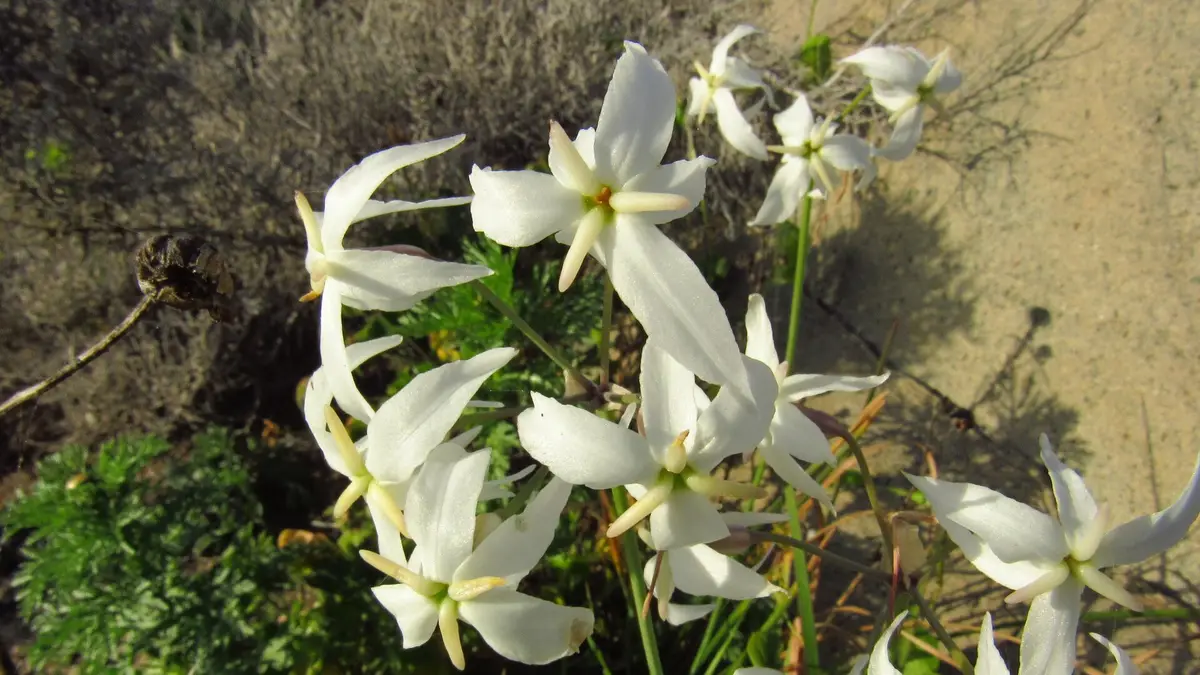
The second concerns flora rescue: the company did not comply with the plan for the geophyte *Leucocoryne ixioides*, known locally as huilli, nor for cacti. It could not prove a stock of 250 replacement bulbs and had failures in marking, georeferencing and identifying the relocated specimens.
| Tamarico | Serious | No wildlife signs, no anti-collision devices on the line and reptile shelters outside the area |
| Tamarico | Serious | Plant survival under 90% and seed material sent to unauthorised nurseries |
| Tamarico | Serious | Vehicles and machinery in cactus relocation areas |
| Tamarico | Minor | Waste traceability and SIDREP records |
| Granate | Serious | 23 kV line without insulation or 2-metre minimum spacing |
| Granate | Serious | Rescue of geophytes and cacti: no stock of 250 bulbs and tagging failures |
What the solar parks risk and what deadlines they have
Serious charges can lead to fines of up to 5,000 UTA (annual tax units) per infringement, closure or revocation of the environmental permit (RCA). Minor ones are punished with a written warning or fines of up to 1,000 UTA. With the monthly tax unit above CLP 70,000, 5,000 UTA exceed CLP 4 billion. For now there is no fine or closure: this is the statement of charges, the start of the procedure.
The SMA extended the deadlines on its own initiative. Both companies have 15 business days to submit a compliance programme, a plan to correct the breaches that, if approved and fulfilled, suspends and can end the procedure without a fine. They also have 22 business days to file their defences.
A compliance programme requires the company to correct the damage, for example by replanting species or installing devices on the line, with goals and deadlines that the SMA monitors. If the company does not comply, the procedure resumes and the penalty can be higher. If it opts for defences instead, the SMA reviews its arguments and then issues a decision, which can be challenged before the Environmental Court.
View the data as a table
| Tamarico Solar Park (Vallenar) | 3 serious and 1 minor charge |
| Granate PV Park (Ovalle), 9 MW | 2 serious charges |
Oversight of solar parks is growing
This is not the first time this year that a solar park has faced charges. In October, the Superintendency of Electricity and Fuels (SEC) brought charges against the Luz del Norte park over frequency-control failures, as we reported in our story on that case. The difference is that the SEC oversees electrical operation and the SMA, environmental commitments.
Atacama and Coquimbo host a large share of the country's new solar projects. In Vallenar, the 250 MW Ceibo park won environmental approval this year, according to our story on Ceibo.
In the Limarí province, where Granate is located, Coquimbo's assessment commission approved two solar projects worth US$91.6 million, as we reported in our story on Soles del Norte. Each comes with its own flora and fauna rescue commitments, which the SMA can monitor during construction and operation.
For the solar industry, the charges are a reminder that construction is the most delicate stage: that is when land is cleared, plants are rescued and relocated and lines are strung. Many of the breaches found by the SMA, such as machinery crossing relocation areas or missing bird devices, occur in that phase and are hard to reverse later.
In those regions, the desert is not empty: there are endemic cacti and geophytes that bloom with the flowering desert, guanacos, foxes and raptors that use power lines. Rescue plans and measures on the lines are part of the conditions under which projects are approved, and the SMA checks that they are met.
Does your company develop or maintain solar projects? Reach Energía Futura's readers.
See advertising formatsFrequently asked questions
Which solar parks received charges from the SMA?
The Tamarico Solar PV Park, in Vallenar, and the 9 MW Granate PV Park, in Ovalle.
How many charges are there?
Six: three serious and one minor for Tamarico, and two serious for Granate.
What fine could they receive?
Up to 5,000 UTA per serious charge, or closure or revocation of the permit. Minor ones, up to 1,000 UTA.
What is a compliance programme?
A plan the company submits to the SMA to correct the breaches. If approved and fulfilled, the procedure can end without a penalty. The deadline is 15 business days.
Which species are involved?
Guanacos, foxes, reptiles and birds, and plants such as *Austrocylindropuntia miquelii*, *Cumulopuntia sphaerica*, *Cordia decandra* and *Leucocoryne ixioides*.