Chile's Ministry of Mining has begun drafting the Technology Action Plan for Mining Decarbonization, a tool meant to define which climate technologies suit Chilean mining, which barriers hold back their use and which measures can speed up their adoption. Resolution No. 1,473 set 15 business days from its publication on the ministry's website for any person or organization to submit input, Electrominería reported on November 11, 2026.
The plan fulfills goal 52 of the National Mining Policy 2050, which prioritizes a technology action plan for the sector, and falls under the Sector Plan for Climate Change Mitigation and Adaptation in Mining, approved by Decree No. 24 of December 12, 2024 and published in the Official Gazette on December 19, 2025. Input is received at participa@minmineria.cl or at the ministry's records office.
View the data as a table
| Copper mining emissions (2024) | 12,861 kt CO2e |
| Per tonne of fine copper | 2.33 t CO2e |
| Diesel share | 51.7% |
| Deadline to submit input | 15 business days |
How the plan to decarbonize mining will be built
The methodology is based on the Technology Needs Assessment (TNA) promoted by the United Nations Environment Programme through the Copenhagen Climate Centre, adapted to Chilean mining. After the input period, the ministry may hold workshops and meetings with public and private stakeholders. The work will have three consecutive stages:
- Identify and prioritize mitigation technologies, both proven and emerging, in a participatory process that selects those with the greatest potential to cut emissions.
- Analyze barriers and enabling conditions: technical, regulatory, economic, financial and institutional factors, and the capabilities needed.
- Propose the Technology Action Plan, with goals, priority actions, responsible parties, indicative timelines, capability requirements and preliminary financing needs.
The process will have a public electronic file on the ministry's citizen participation platform, with safeguards for commercially sensitive information. According to the resolution, it targets the sector plan's measures on decarbonizing motive and thermal processes, meaning truck diesel and process fuels, and will feed work on energy efficiency, renewables, innovation and human capital.
- 2022National Mining Policy 2050Its goal 52 prioritizes a technology action plan for mining.
- 12 Dec 2024Decree 24: climate change sector planApproves the mining Mitigation and Adaptation Sector Plan; published 19 December 2025.
- 11 Nov 2026Resolution 1,473Starts the draft Technology Action Plan and opens 15 business days for input.
- Stage 1Prioritize technologiesProven and emerging solutions, using the UN TNA method.
- Stage 2Barriers and enabling conditionsTechnical, regulatory, economic, financial and institutional factors.
- Stage 3Draft planGoals, actions, owners, timelines and financing.
The technology plan is one link in a chain of climate instruments. Chile's Framework Law on Climate Change (Law 21,455) requires sector ministries to have mitigation and adaptation plans, aligned with the Long-Term Climate Strategy and the 2050 carbon neutrality goal; the mining plan is the one approved by Decree 24. The new instrument turns that plan into concrete technologies, with owners and timelines.
Any person or organization can take part in the input stage: mining companies, equipment suppliers, universities, technology centers or communities. It is the moment to bring pilot results, costs and barriers that the ministry will weigh when prioritizing technologies.
How much Chile's copper mining emits
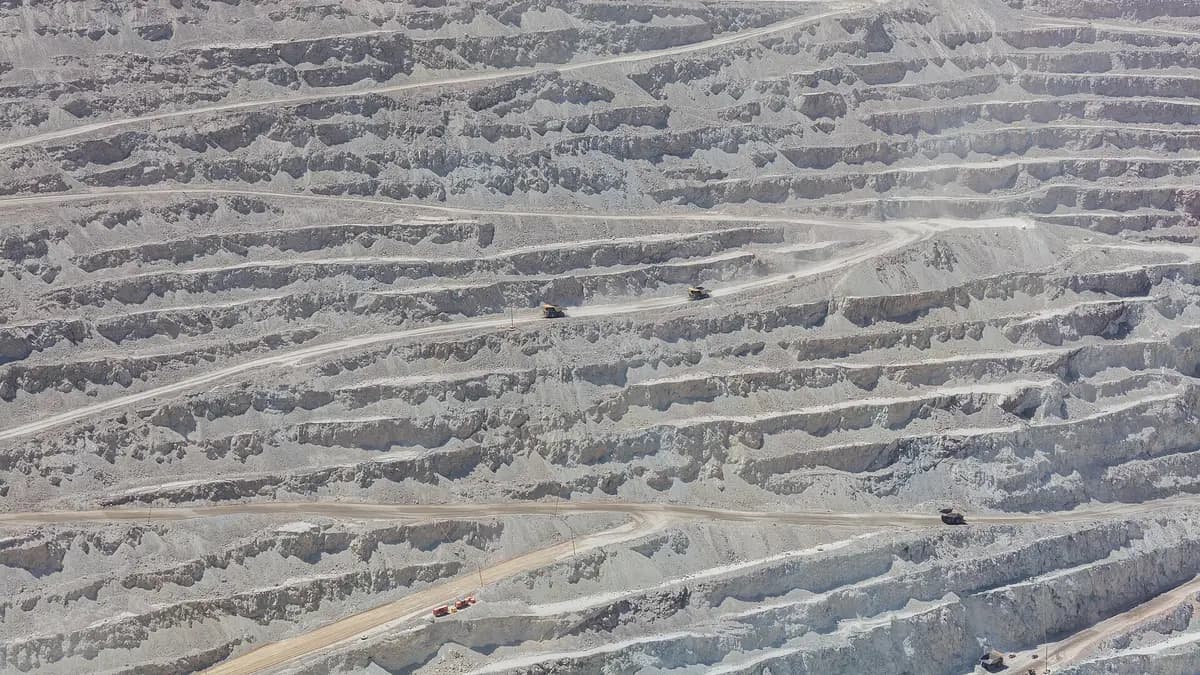
The starting point is well known. Copper mining emitted 12,861 kilotonnes of CO2 equivalent in 2024, the lowest since 2010, according to the Cochilco report published in November 2025. Each tonne of fine copper carries 2.33 tonnes of CO2e: 1.29 from fuels burned at the mine and 1.04 from purchased electricity.
| Emission source (2024) | kt CO2e | Share |
|---|---|---|
| Diesel (scope 1) | 6,651 | 51.7% |
| Other fuels (scope 1) | 478 | 3.7% |
| Purchased electricity (scope 2) | 5,732 | 44.6% |
| Total copper mining | 12,861 | 100% |
Source: Cochilco, greenhouse gas emissions from copper mining, 2024. Percentages are Energía Futura calculations.
The split shows where the challenge lies. Electricity emissions are falling fast because Chile's grid is increasingly renewable: its emission factor fell from 0.4187 to 0.2017 tonnes of CO2e per MWh between 2018 and 2024. Diesel emissions, by contrast, are rising: mines are deeper and move more rock for the same amount of copper. The breakdown by process and product is in our data sheet on the carbon footprint of Chilean copper.
Which technologies could decarbonize mining
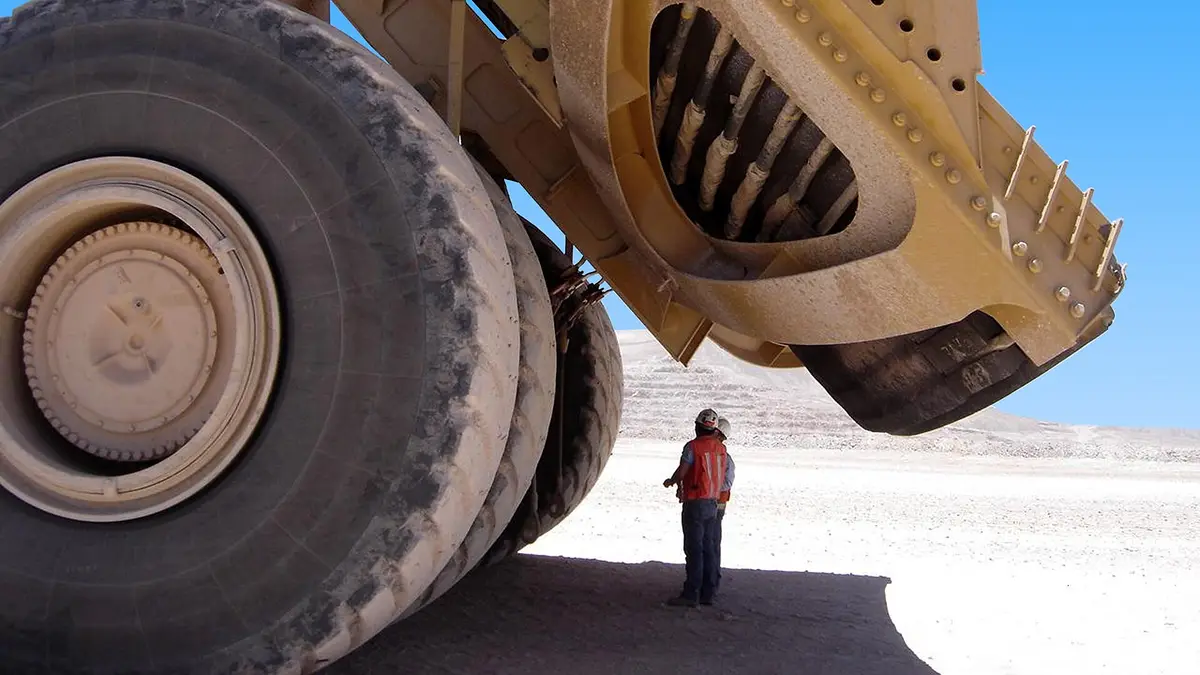
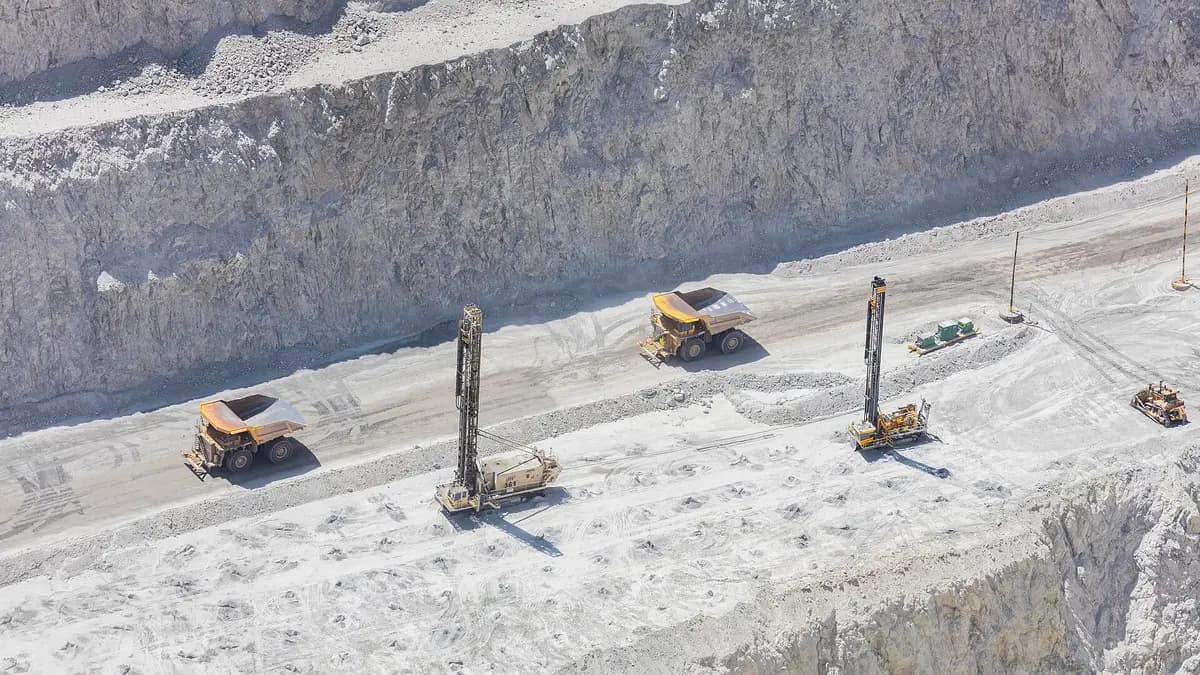
The plan has not chosen them yet, but the industry debate centers on rock haulage. Options being tested include battery-electric haul trucks, trolley assist systems that draw power from overhead lines on ramps, conveyor belts that replace stretches of truck haulage and green hydrogen trucks. For thermal processes, the option is to electrify boilers and furnaces or use low-carbon fuels. University-industry projects under way in Chile are covered in the story on the U. de Chile electric mobility project with Codelco and Antofagasta Minerals.
| Process | Current source | Technologies under discussion |
|---|---|---|
| Rock haulage in open pits | Diesel in haul trucks | Battery trucks, trolley, conveyors, hydrogen |
| Loading and drilling equipment | Diesel and electricity | Electric shovels and drills |
| Thermal processes (drying, smelting) | Gas, oil and other fuels | Electrification, low-carbon fuels |
| Purchased electricity | National Electricity System grid | Renewable contracts with certificates and storage |
Source: Energía Futura, based on the scope of Resolution No. 1,473 (motive and thermal processes) and Cochilco's emissions report.
Does your company offer electrification, hydrogen or energy efficiency for mining? Reach Energía Futura's readers.
See advertising optionsThe electricity mining companies buy is already mostly renewable for the large players, as our comparison of how much renewable energy each big miner uses shows. That is why the technology plan targets diesel: it is half the emissions and the part that does not fall on its own with the grid.
Frequently asked questions
What is the Technology Action Plan for Mining Decarbonization?
A Ministry of Mining tool that will identify the climate technologies applicable to mining, their barriers and the measures to accelerate their adoption, with goals, responsible parties and timelines.
How can people take part?
By sending input to participa@minmineria.cl or to the ministry's records office within 15 business days of the publication of Resolution No. 1,473 on the ministry's website.
How much CO2 does copper mining emit in Chile?
12,861 kilotonnes of CO2e in 2024, according to Cochilco: 2.33 tonnes per tonne of fine copper.
What share of mining emissions comes from diesel?
About 6,651 kt, 51.7% of total copper mining emissions in 2024.