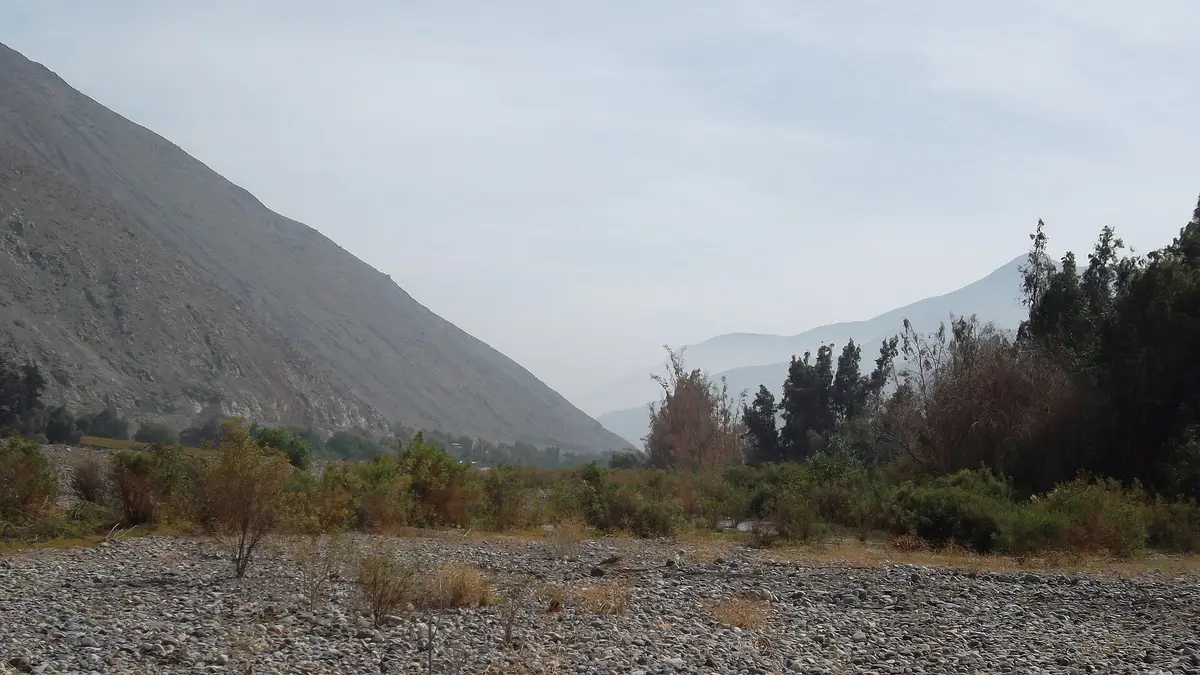
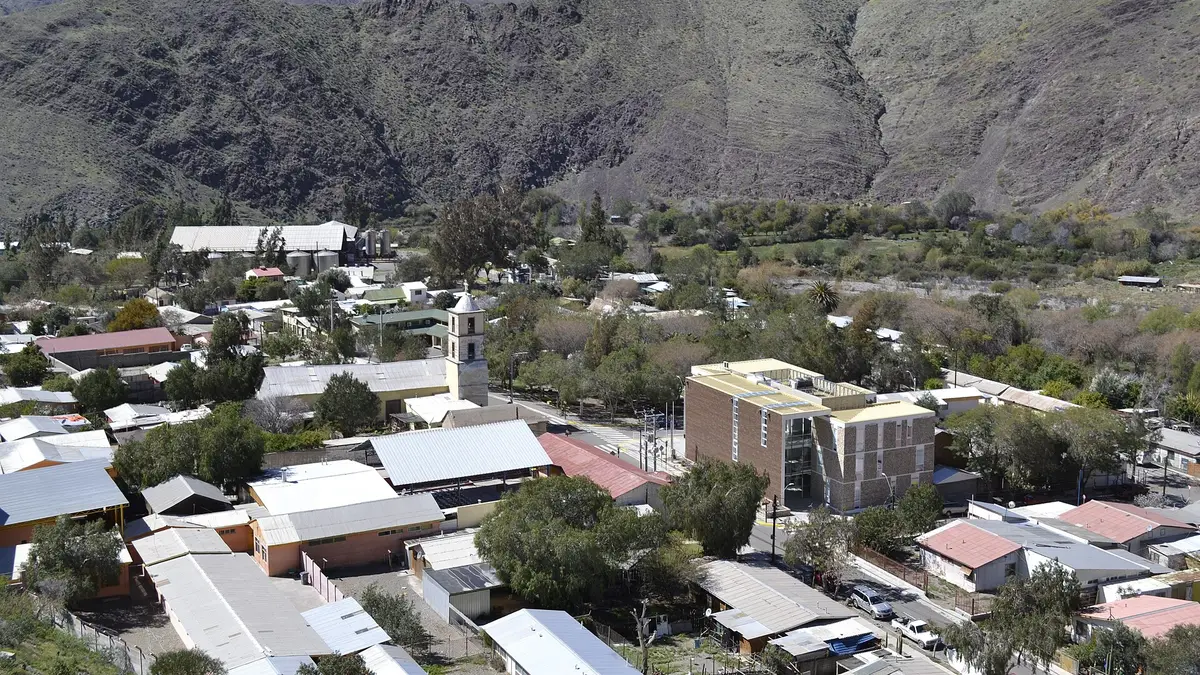
Chile's Second Environmental Court suspended for 30 days, renewable, the drilling of the El Alto Mining Exploration project of Compañía Minera Nevada, a subsidiary of Barrick Gold, in the municipality of Alto del Carmen, Atacama Region. The decision was adopted on Monday 9 November and became public on Tuesday 10, according to Redimin.
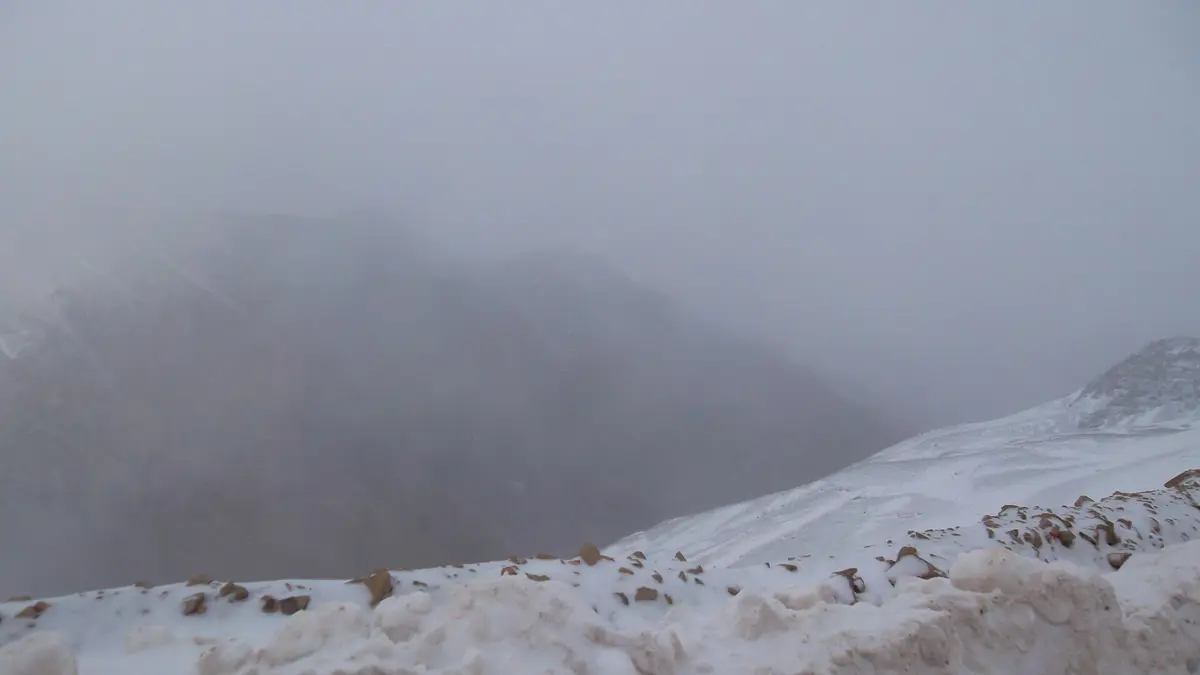
The US$35 million project includes 43 drill platforms with holes up to 700 metres deep, over two summer seasons, next to the closed Pascua-Lama project. The platforms are near the Toro 1, Toro 2 and Esperanza glaciers, in ground with areas of permafrost. It is a precautionary measure, not a ruling on the project's legality.
View the data as a table
| Drilling suspension | 30 days |
| Investment | US$35 million |
| Drill platforms | 43 |
| Ice bodies nearby | 17 |
Why the Environmental Court suspended El Alto
The environmental assessment concluded that the project would not have a significant impact on the ice, but the court considered that the uncertainties had not been resolved and, by majority, applied the precautionary principle. The measure responds to three challenges: from the Alto del Carmen Municipal Environmental Committee, the Alta Cordillera Diaguita Indigenous Community and the Los Huascoaltinos Diaguita Agricultural Community.
The court also considered that some drill sites overlap with earlier Pascua-Lama drilling, which the mining agency Sernageomin confirmed, and that the area belongs to the former pit zone, which is subject to closure obligations. Another argument: Los Huascoaltinos were not considered in El Alto's assessment, even though they take part in the indigenous consultation on Pascua-Lama's closure. And since the campaigns are short, a final ruling could come after drilling had already ended.
| Item | El Alto | Source |
|---|---|---|
| Owner | Compañía Minera Nevada (Barrick) | Redimin |
| Municipality | Alto del Carmen, Atacama | Redimin |
| Investment | US$35 million | Redimin |
| Drill platforms | 43 | Redimin |
| Approved holes | 62 | Meganoticias |
| Maximum depth | 700 metres | Redimin |
| Jobs per season | 75 | Redimin |
| Nearby glaciers | Toro 1, Toro 2 and Esperanza | Redimin |
| Ice bodies in the area | 17 | Meganoticias |
| Environmental approval | January 2026 | Redimin |
Sources: Redimin (10 November 2026) and Meganoticias (21 October 2026). The 43 platforms and 62 holes do not contradict each other: more than one hole can be drilled from a platform.
Barrick's position on El Alto
Barrick said it disagrees with the suspension. According to Redimin, the company maintains that El Alto is an independent exploration project, with its own camp and water supply, whose drilling does not interfere with Pascua-Lama's closure obligations. It noted that the project was approved in January 2026 after its environmental assessment and said it will request reconsideration of the measure. It also said it will keep complying with Pascua-Lama's closure.
The decision was not unanimous: judge Cristián López voted against. Separately, the court rejected a request to halt the indigenous consultation on Pascua-Lama's closure plan, which continues.
- 2018The SMA orders Pascua-Lama's closureDefinitive closure, later upheld by the courts.
- 2020-2021Barrick drills in the area
- 2022The Supreme Court rules those campaigns illegalBecause they clashed with the closure plan.
- Jan 2026El Alto is approvedAtacama's assessment commission grants the permit.
- 24 Sep 2026The case moves to the Second Environmental CourtBecause of recusals in the First Court.
- 9 Nov 202630-day suspensionBy majority vote, under the precautionary principle.
Pascua-Lama: from flagship project to closure
Pascua-Lama was a binational gold and silver project on the border with Argentina, approved in 2006 and questioned from the start for its proximity to glaciers and headwaters of the Huasco valley. In 2018, the SMA ordered its definitive closure, a decision later upheld by the courts. Between 2020 and 2021, Barrick drilled in the area, and in 2022 the Supreme Court ruled those campaigns illegal because they were incompatible with the closure plan.
El Alto reached the courts through a bumpy process. In September, the three available judges of the First Environmental Court, in Antofagasta, recused themselves, and the case moved to the Second Environmental Court, in Santiago. In October, the Supreme Court requested information on those recusals, according to Meganoticias.
| Year | Pascua-Lama and El Alto milestone |
|---|---|
| 2006 | Environmental approval of Pascua-Lama in Atacama |
| 2018 | The SMA orders Pascua-Lama's definitive closure |
| 2020-2021 | Barrick drills in the area |
| 2022 | The Supreme Court rules that drilling illegal |
| January 2026 | El Alto Mining Exploration is approved |
| September 2026 | The case moves to the Second Environmental Court due to recusals |
| 9 November 2026 | 30-day suspension of drilling |
Sources: Redimin and Meganoticias. The indigenous consultation on Pascua-Lama's closure plan is still under way.
View the data as a table
| Pascua-Lama and El Alto area | |
| Alto del Carmen | |
| Vallenar | |
| Huasco |
Glaciers and water: the heart of the dispute
In the Atacama Andes, glaciers and permafrost act as water reserves that feed rivers in the dry months. The Huasco valley lives off agriculture, with pisco grapes, olives and fruit trees, and its communities fear that any intervention at the headwaters could affect the quantity or quality of water. That is why the debate over El Alto is not only about mining: it is about the valley's water.
Pressure on water cuts across Chilean mining. The large northern mines already use seawater for much of their processes, as shown in our data sheet on seawater in mining, and drought is one of the risks weighing most on future copper output, according to the AMTC study.
Other recent mining projects in the north have been designed not to compete for fresh water: the Tovaku mine, approved this year, will use seawater and its own solar park, as we reported in our story on Tovaku. At El Alto, the debate is not about the water the exploration will use, which according to Barrick has its own supply, but about the possible effect of drilling on the ice that feeds the valley.
The suspension lasts 30 days and can be renewed. In that period, the court will rule on the reconsideration announced by Barrick and continue processing the main challenges. With the campaigns planned for summer, each month of suspension weighs on the project's schedule.
Does your company work in sustainable mining, water or environmental monitoring? Reach Energía Futura's readers.
See advertising formatsFrequently asked questions
What did the Environmental Court suspend?
The drilling of the El Alto exploration project of Compañía Minera Nevada (Barrick), for 30 renewable days.
Is El Alto the same as Pascua-Lama?
No. Pascua-Lama has been closed by order of the SMA since 2018. El Alto is an exploration project approved in 2026 in the same area; Barrick says it is independent.
Why was it suspended?
Because of uncertainty about the effects on the Toro 1, Toro 2 and Esperanza glaciers and the permafrost, and the overlap with earlier Pascua-Lama drilling. The court applied the precautionary principle.
Who requested the suspension?
The Alto del Carmen Municipal Environmental Committee and the Alta Cordillera and Los Huascoaltinos Diaguita communities.
What will Barrick do?
It said it will request reconsideration of the measure and will keep complying with Pascua-Lama's closure.