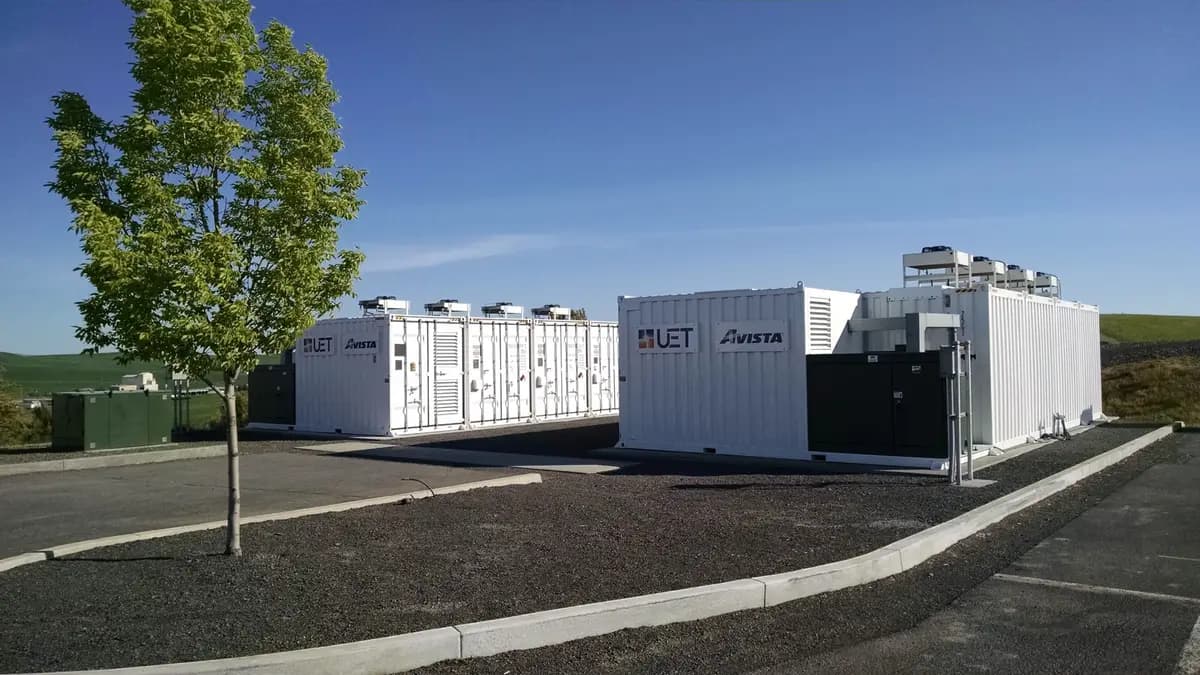
El Pelícano Solar Company, a subsidiary of British investor Actis, has placed senior secured notes worth US$129.58 million to build an 82 MW battery energy storage system (BESS) with a four-hour duration next to its solar plant in La Higuera, in Chile's Coquimbo Region. The notes carry a 7.578% interest rate and mature on December 31, 2044, according to law firm Clifford Chance, as reported on November 5 by Revista Electricidad.
Clifford Chance, which advised on the deal, describes it as the first capital markets financing in Chile for a battery storage project tied to a single asset. Until now, the country's batteries had been financed mostly through bank loans or company balance sheets.
View the data as a table
| Senior secured notes | US$129.58 M |
| Interest rate | 7.578% |
| BESS power | 82 MW |
| Term to maturity (Dec 31, 2044) | 18 years |
How El Pelícano Solar's financing was structured
The deal had two stages. First, a bridge loan from BNP Paribas, acting as lender and administrative agent, with BNP Paribas Securities Corp. as lead arranger; that loan closed on July 1, 2026. Then, on October 6, the company refinanced it through a private placement of senior secured notes for the same principal amount.
The proceeds will be used, among other purposes, for the development, construction and completion of the BESS, which will be installed next to the existing solar plant. According to the deal report published by Abogados.com.ar, the Clifford Chance team was led by partner Fabricio Longhin, from Washington.
| Item | Detail |
|---|---|
| Issuer | El Pelícano Solar Company SpA (Actis subsidiary) |
| Stage 1 | BNP Paribas bridge loan, closed on July 1, 2026 |
| Stage 2 | Senior secured notes, privately placed on October 6, 2026 |
| Principal | US$129.58 million |
| Interest rate | 7.578% |
| Maturity | December 31, 2044 |
| Main use | 82 MW, 4-hour BESS next to the solar plant |
| Legal adviser | Clifford Chance |
Source: Clifford Chance, via Revista Electricidad and Abogados.com.ar. At 82 MW and four hours, the battery could store around 328 MWh if it discharges at full power for its whole duration; this is Energía Futura's calculation, as the MWh capacity was not disclosed. A term of about 18 years lets the debt match the project's useful life, something bank loans usually offer over shorter periods.
- November 2017El Pelícano starts commercial operation
- January 2018Actis buys the plant from SunPower
- July 1, 2026Bridge loan with BNP Paribas
- October 6, 2026US$129.58 M notes at 7.578%
- 2044Notes mature
The El Pelícano plant and its Metro contract
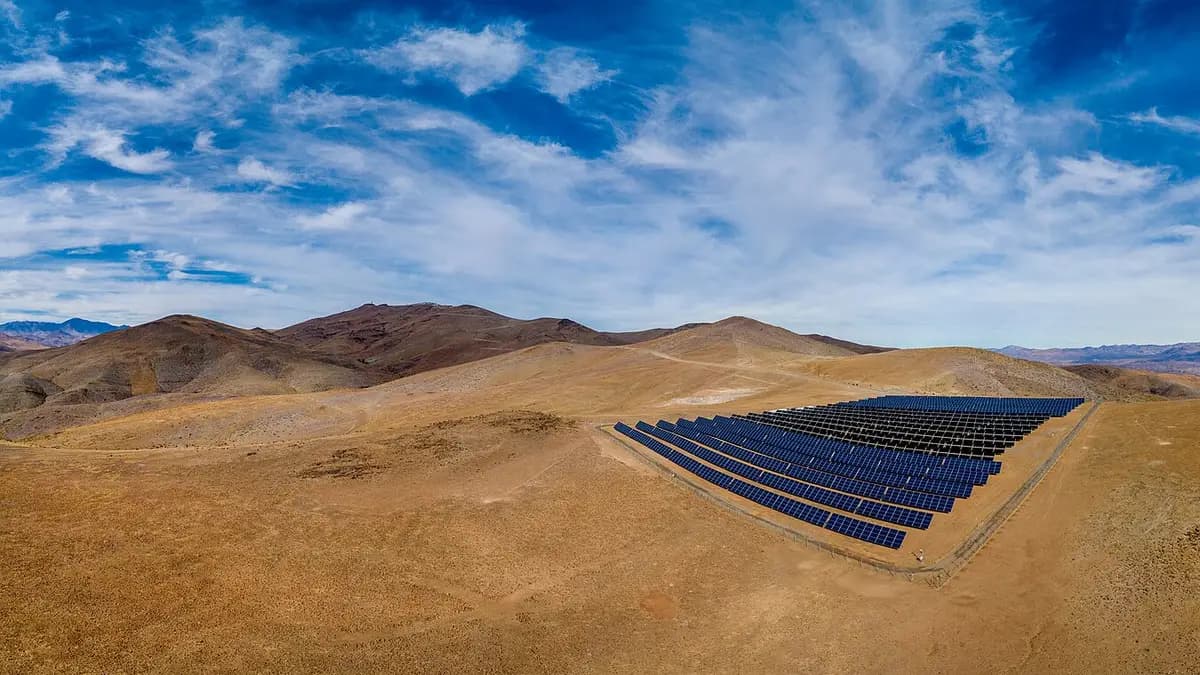
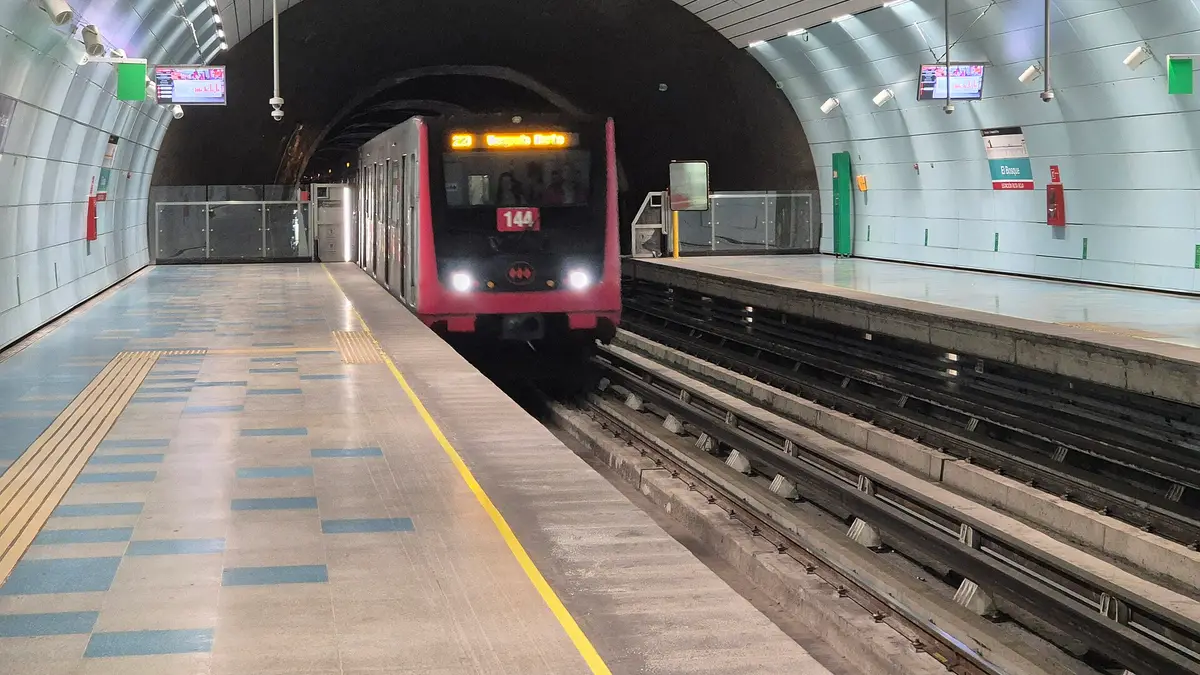
The El Pelícano plant has 110 MW of direct current capacity (MWdc), is located in the municipality of La Higuera and began commercial operation in November 2017. Actis bought it from US company SunPower in early 2018, according to PV Tech. It was developed to deliver about 300 GWh a year to the Santiago Metro under a long-term power purchase agreement, according to Actis.
That contract was part of the Metro's push to run on renewable energy, one of the first by a Chilean state-owned company. But a solar plant only produces during the day, and the Metro runs until close to midnight. The battery will make it possible to store energy and shift part of the output into the hours after sunset, when power is worth more.
Why solar plants are adding batteries
El Pelícano's decision reflects what is happening in the market. In October 2026, midday marginal costs hovered around zero in much of the system and curtailment of solar and wind power exceeded 25% in some weeks. A plant without storage sells its power when it is most abundant and least valuable. With a battery, it can store it and deliver it at night, when batteries already cover over 80% of the evening peak.
It is the same logic behind solar plants being retrofitted across northern Chile: adding batteries to existing parks, which already have a grid connection and available land, is faster than building a new project. According to Acera, Chile has **11.3 GW** of storage across projects in operation, in testing and under construction.
Sources: Grenergy (October 9), MUFG and Scotiabank via REDIMIN (October 22) and Clifford Chance (November 5). Details of the first are in our story on Grenergy's US$457 million close for Algarrobal and Palmas. The three deals are from 2026 and not fully comparable: Grenergy and Verano Energy financed new plants with bank loans, while El Pelícano is adding a battery to an operating plant and doing so with notes.
What the first bond-financed BESS means
The fact that a single-asset battery project can be financed with notes running almost two decades shows that institutional investors, such as foreign insurers and pension funds that buy this kind of debt in private placements, now accept storage risk in Chile. Until a few years ago, batteries' lack of operating history and uncertainty about their revenues made that difficult.
The 7.578% dollar rate reflects that risk. By comparison, transmission company Transelec placed 25-year UF-denominated bonds in early November at UF + 3.5%, for a business with regulated revenues. A BESS, by contrast, earns from the price difference between day and night, a variable that, as October's data show, can change quickly.
| Instrument | Asset type | Amount | Term | Rate |
|---|---|---|---|---|
| El Pelícano Solar notes | Battery next to a solar plant | US$129.58 M | To 2044 | 7.578% in dollars |
| Transelec bonds | Regulated transmission | UF 6 million | 25 years | UF + 3.5% |
Sources: Clifford Chance and Transelec. The rates are not directly comparable: one is in nominal dollars and the other in UF, an inflation-indexed unit. They help show the gap between a regulated-revenue business and one exposed to the market.
Does your company finance, build or operate storage projects? Reach Energía Futura's readers.
See advertising optionsFrequently asked questions
How much did El Pelícano Solar raise?
US$129.58 million in senior secured notes, placed on October 6, 2026 at 7.578% and maturing on December 31, 2044.
What is the money for?
Mainly to build an 82 MW, four-hour BESS next to the El Pelícano solar plant in La Higuera.
Why is it the first?
According to Clifford Chance, it is the first capital markets financing in Chile for a battery project tied to a single asset.
Who owns the plant?
Actis, a British infrastructure investor, which bought it from SunPower in 2018. The plant has 110 MWdc and delivers about 300 GWh a year to the Santiago Metro.