A 120 W home ice maker, such as the Haxly Gelo, produces up to 12 kg of ice in 24 hours. Running a full day it uses 2.88 kWh, about CLP 735 at the BT1 tariff of CGE of CLP 255.27/kWh: about CLP 61 per kilo of ice. A 2 kg bag costs CLP 1,490 at Lider, that is, CLP 745 a kilo, twelve times more.
The numbers favour the machine, but only if it is used. This guide explains how it works, how much the models sold in Chile use according to their listings on Falabella (checked on 11 November 2026), what they cost and when they beat buying bags or using freezer trays.
View the data as a table
| Kilo of ice from a 120 W machine | $61 |
| Kilo of bagged ice | $745 |
| A full day making ice (120 W) | $735 |
| Entry price | $79,990 |
How an ice maker works
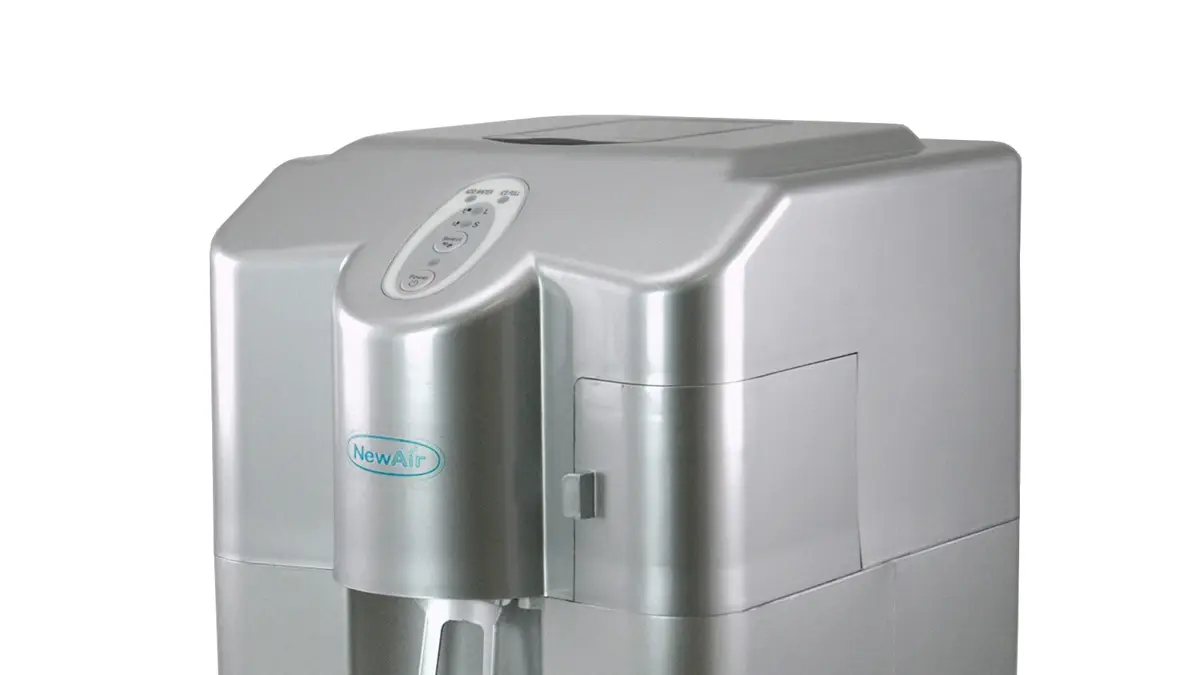
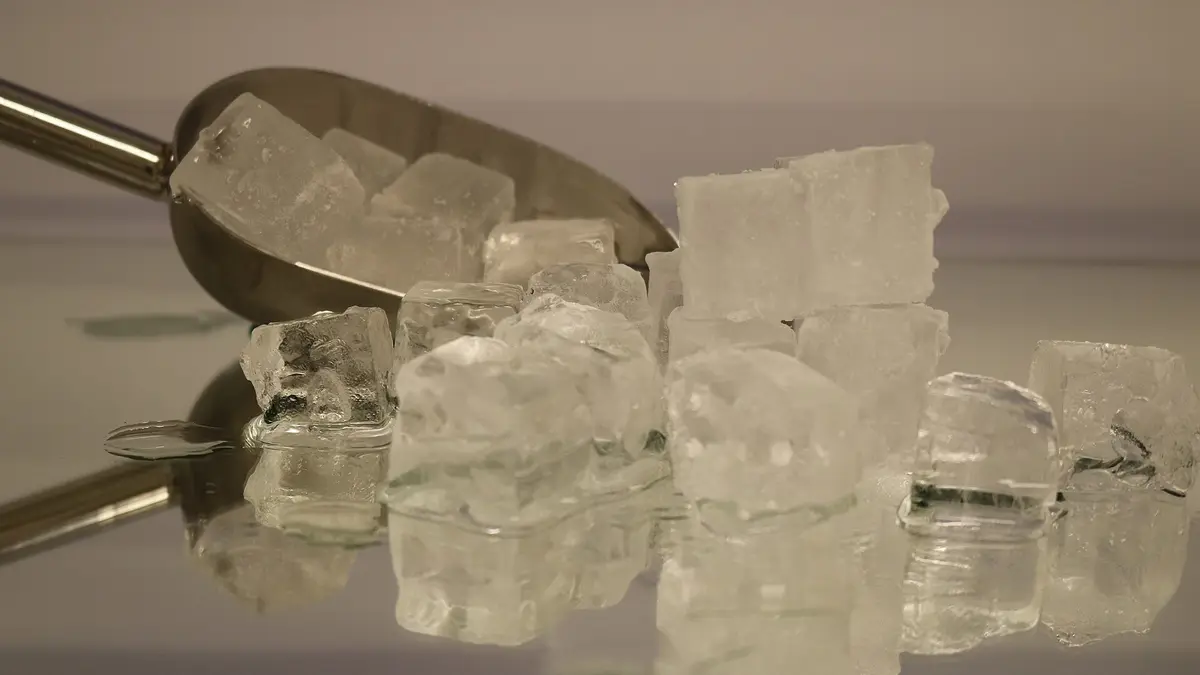
Countertop ice makers have a small compressor, like a fridge, that cools metal prongs dipped in water. The water freezes around them and forms hollow cubes, shaped like bullets or cylinders. Each cycle takes 8 to 15 minutes; at the end, the machine slightly warms the prongs, drops the cubes into a basket and starts again with water from the tank.
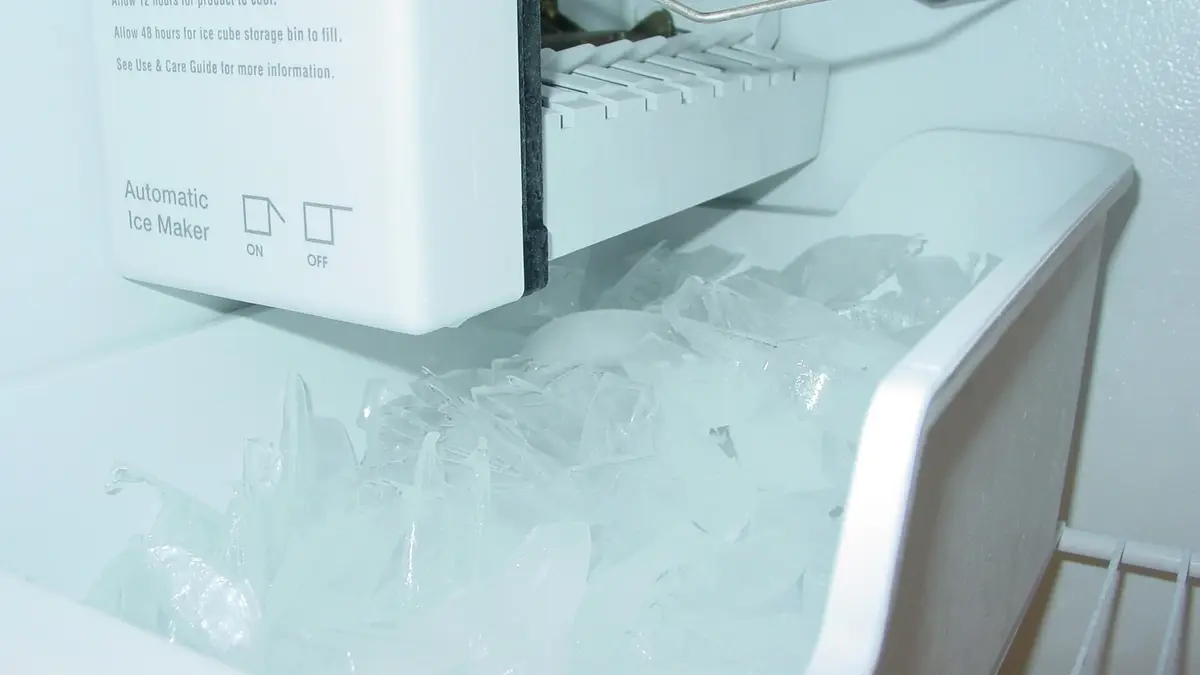
A key point: the basket is not a freezer. It is insulated, but the ice slowly melts and the water returns to the tank to make more cubes. So the machine runs while it is on, and it is best to take the ice out and store it in the freezer if you want to build up a supply. Larger machines, of 22 to 45 kg a day, are semi-professional and some need a mains water connection.
How much power an ice maker uses
Seller listings report power in different ways: in watts or kWh per month, and not always on the same basis. Countertop models making 12 kg a day state between 120 and 165 W; 25 kg models, about 250 W, and 45 kg models, 300 W. Some listings give monthly consumption: 15 to 18 kWh for the Kubli Pacific and 57 kWh for the 22 kg FDV.
| Model | Stated output | Stated consumption | Offer price |
|---|---|---|---|
| Wurden WIM-GLASUR12P | 12 kg/day | Not stated | CLP 79,990 |
| Kubli Pacific | 12 kg/day | 15-18 kWh/month | CLP 109,990 |
| Haxly Gelo | 12 kg/day | 120 W | CLP 139,990 |
| Homen Icemaker | 25 kg/day | 250 W | CLP 199,990 |
| FDV Icemaker Zbp22 | 22 kg/day | 57 kWh/month | CLP 479,990 |
| Thomas TH-IM45Ki | 45 kg/day | 300 W | CLP 599,990 |
Source: seller listings on Falabella, checked on 11 November 2026. The figures are those stated by each seller; there is no mandatory energy efficiency label for these machines in Chile. Prices are offer prices and may change.
| Wurden WIM-GLASUR12P | 12 | Not stated | 79,990 |
| Haxly Gelo | 12 | 120 W | 139,990 |
| Kubli Pacific | 12 | 15-18 kWh/month | 109,990 |
| Homen Icemaker | 25 | 250 W | 199,990 |
| FDV Icemaker Zbp22 | 22 | 57 kWh/month | 479,990 |
| Thomas TH-IM45Ki | 45 | 300 W | 599,990 |
How much an ice maker costs to run in Chilean pesos
With the stated power and CLP 255.27 per kWh, a 120 W machine costs CLP 31 an hour. If it runs 24 hours and produces its 12 kg, the electricity costs CLP 735 a day: CLP 61 per kilo. The 250 W, 25 kg Homen gives a similar cost, CLP 61 per kilo, and the 300 W, 45 kg Thomas falls to CLP 41 per kilo, because large machines are more efficient per kilo.
| Use | 120 W machine | 250 W machine | 300 W machine |
|---|---|---|---|
| 1 hour | CLP 31 | CLP 64 | CLP 77 |
| One cycle of about 10 minutes | ~CLP 5 | ~CLP 11 | ~CLP 13 |
| 4 hours (a barbecue afternoon) | CLP 123 | CLP 255 | CLP 306 |
| 24 hours | CLP 735 | CLP 1,532 | CLP 1,838 |
| Electricity cost per kilo | CLP 61 | CLP 61 | CLP 41 |
Source: Energía Futura calculation with stated powers and outputs and CGE's October 2026 BT1 tariff. It assumes the machine produces its stated capacity; if the water or room is warmer, it produces less and the cost per kilo rises. Water adds to that: a kilo of ice uses just over a litre, a minor cost compared with electricity.
For comparison: a home chest freezer uses about 14 to 24 kWh a month depending on its size and also makes ice in trays, but it takes hours and uses space. The machine wins on speed: the first batch is ready in under a quarter of an hour.
Does an ice maker pay off compared with buying ice?
With the numbers above, the electricity to make 2 kg of ice in a 120 W machine costs about CLP 122, versus CLP 1,490 for a 2 kg bag at Lider. The difference, about CLP 1,368 per bag, pays for a CLP 79,990 machine after about 58 bags. For a family that buys two bags every summer weekend, that is more than a full summer.
| Option | Cost per kilo | Advantage | Drawback |
|---|---|---|---|
| 2 kg bag (Lider, Rock) | CLP 745 | Solid cubes, last longer | You have to go and buy it |
| Premium bag (Greenice XL, 2 kg) | CLP 945 | Large cubes | More expensive |
| 120 W machine | CLP 61 of electricity | Ice in 10 minutes, at home | Upfront cost; hollow cubes melt faster |
| Freezer trays | Very low | No extra purchase | Slow and small quantity |
Sources: prices at Lider (11 November 2026) and Energía Futura calculation. The machine's cost excludes the price of the unit and water.
There are nuances. The hollow cubes from countertop machines melt faster than the solid ones in bags, so they are not ideal for a cool box at the beach. And if the machine is only used two or three times a year, it does not pay off. For cocktails, frequent barbecues or small businesses, however, it does. If you want frozen desserts, the logic is similar to that of an ice cream maker.
When an ice maker does not pay off
The machine loses to the bag in three cases. First, if it is rarely used: with two or three barbecues a year, the electricity savings never pay for the CLP 79,990 or more of the unit. Second, if you need a lot of ice at once and have no time: a 12 kg-a-day machine produces about 500 grams an hour, so to fill a large cool box before an event you have to start the day before and keep the ice in the freezer. Third, if kitchen space is scarce: countertop models take up as much room as a microwave.
There is also a maintenance cost. The tank and basket must be cleaned often to avoid odours and mould, and in areas with hard water it is worth descaling the unit from time to time. If the machine sits with stagnant water for several days, it should be emptied and dried before using it again.
How to choose an ice maker
- Capacity: 12 kg a day is enough for a home; 22 to 45 kg are for businesses or events.
- Cube size: many let you choose between small and large cubes.
- Cleaning: models with self-cleaning save work; the tank should be emptied if unused.
- Location: they need space to ventilate the compressor; in a hot place they produce less.
- Water: use drinking or filtered water; scale reduces efficiency over time.
- Spec sheet: prefer models that state power and output, so you can calculate the cost.
An alternative for those with little space is a water dispenser with a cold compartment, which does not make ice but chills water instantly, as we explain in our dispenser guide.
Do you sell home appliances or food service equipment? Reach Energía Futura's readers.
See advertising formatsFrequently asked questions
How much power does an ice maker use?
Countertop models, between 120 and 165 W; those making 25 to 45 kg a day, between 250 and 300 W, according to seller listings.
How much does an ice maker cost per day in Chile?
A 120 W unit, about CLP 735 if it runs 24 hours, at CLP 255.27/kWh. A 4-hour afternoon costs about CLP 123.
Is making ice cheaper than buying it?
In electricity, yes: about CLP 61 per kilo versus CLP 745 for the bag. But you have to add the price of the machine, from CLP 79,990.
How long does an ice maker take to make ice?
Each cycle takes between 8 and 15 minutes and produces about 9 cubes in countertop models.
Does the ice maker keep the ice frozen?
No. The basket is insulated but does not freeze: the ice melts and returns to the tank. To store it, move it to the freezer.
How much ice does a 12 kg machine make per hour?
About 500 grams an hour on average if it runs 24 hours. In a four-hour afternoon, about 2 kg: the same as a supermarket bag, for about CLP 123 of electricity.