Brine reinjection is one of the promises of the new lithium mining: extract the metal and return the salty water to the salt flat so it does not dry out. A group of scientists at the University of Chile's Advanced Mining Technology Center (AMTC) warns that this promise has fine print. Returning processed brine "does not guarantee that a salar will recover its original conditions", says a technical document presented on November 3, 2026, according to REDIMIN.
The work is signed by Santiago Montserrat and Humberto Estay, with Yarko Niño, Álvaro Henríquez and Julietta Zamora, and seeks to set scientific and operational criteria for when brine can be reinjected without harming hydrogeological systems or the ecosystems that depend on them. The same team published a paper this year in the journal Cleaner Engineering and Technology with a roadmap on the subject, according to Reporte Minero.
What brine reinjection is
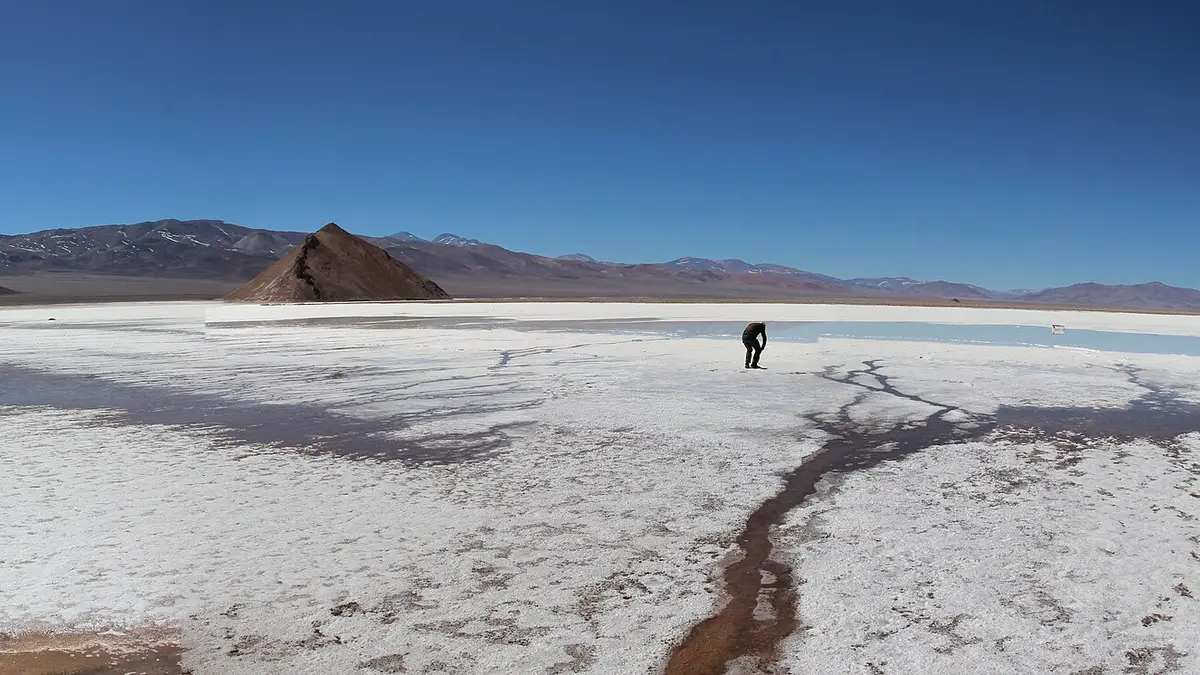
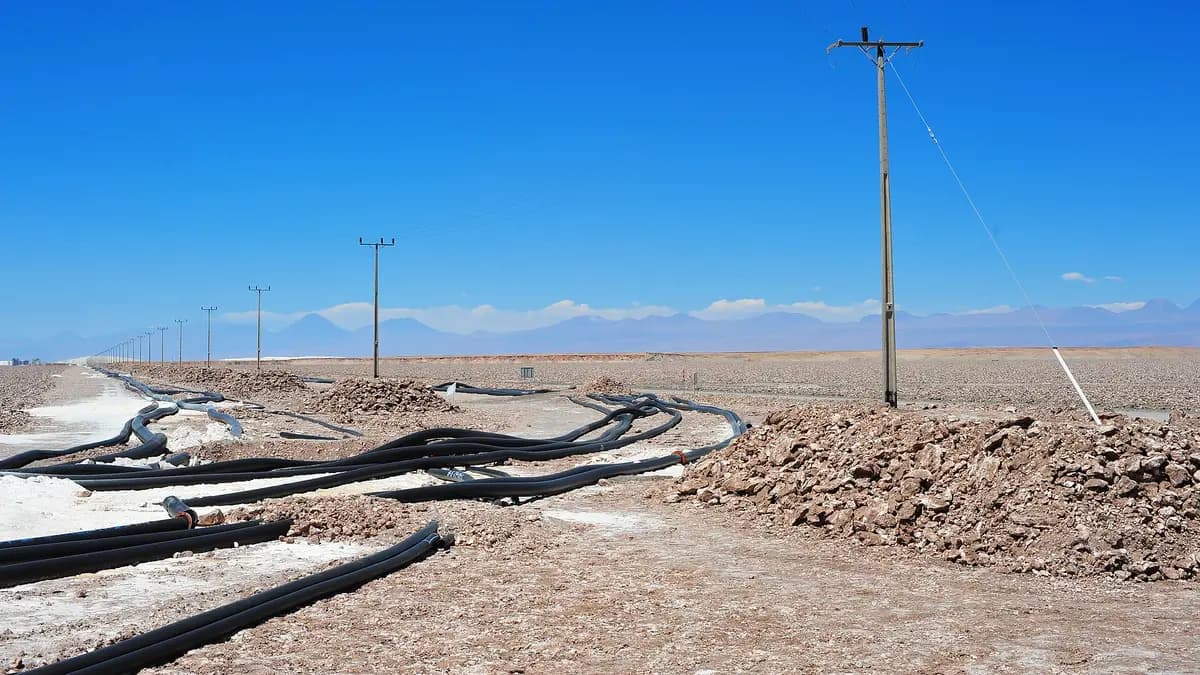
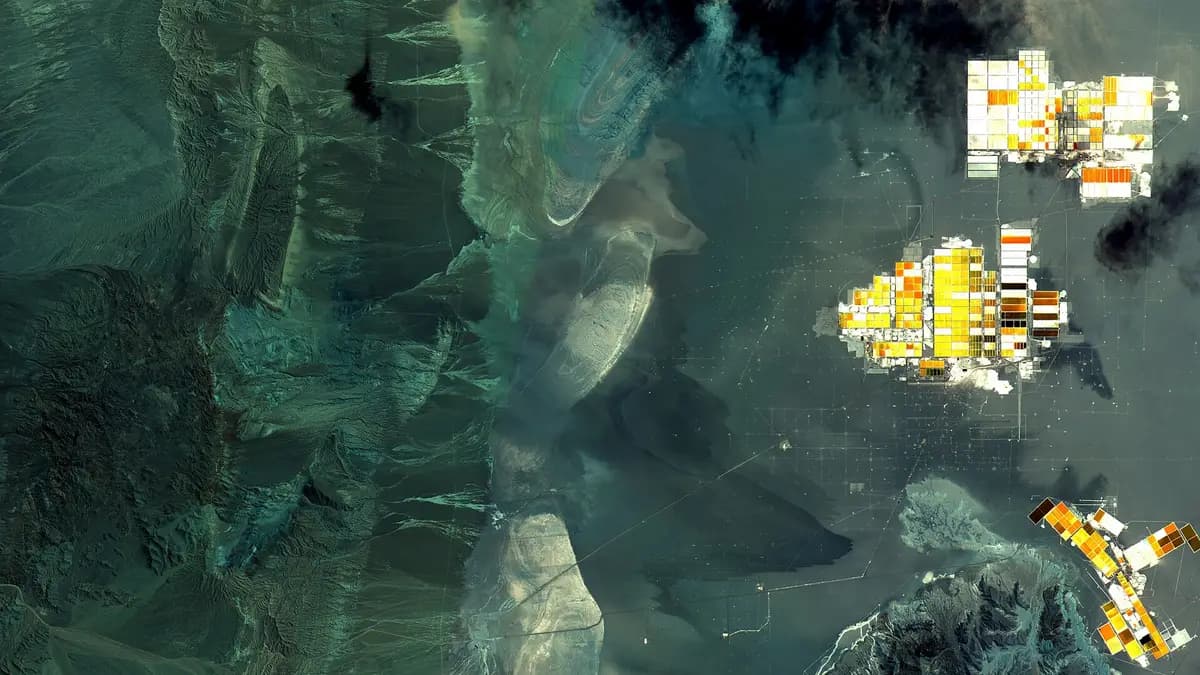
In the traditional method, lithium is concentrated by evaporating brine in large ponds under the sun: the water is lost to the atmosphere. Direct lithium extraction (DLE) separates lithium with chemical or adsorption processes and leaves a lithium-depleted brine, which could be returned to the aquifer through wells. That return is brine reinjection, and it underpins several new projects that seek to reduce lithium's water footprint.
The problem, the authors explain, is that the brine going back is not the same as the brine that came out. DLE can change its chemical composition, temperature, density and acidity. And returning a volume similar to what was extracted does not necessarily restore the original water balance, because the process may add water, lose it or modify the fluid.
The risks the AMTC identifies
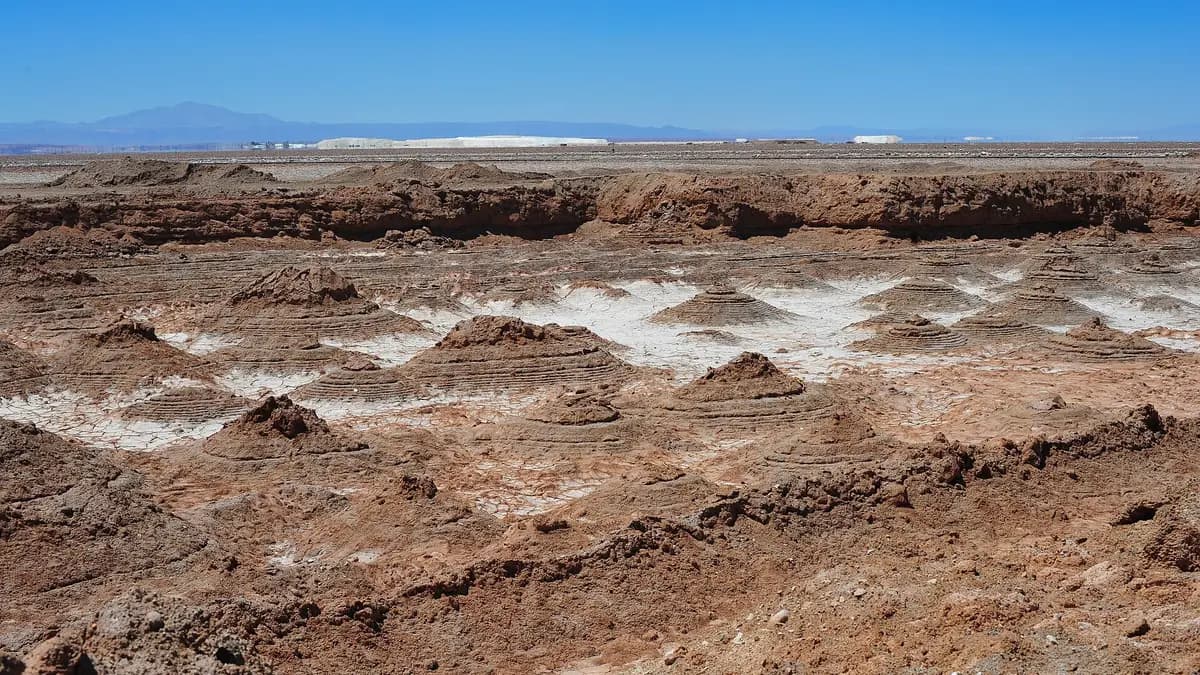
The document lists risks that must be studied, and clarifies that it raises them "not as proven damage in a specific salar". Density differences can alter underground flow paths. Chemical reactions can precipitate or dissolve minerals, which changes soil permeability, clogs reinjection wells and alters the natural movement of water. And modified brines could move toward sensitive areas, such as lagoons and wetlands connected to groundwater.
| Change in the brine | Possible effect on the salt flat |
|---|---|
| Different density | Alters underground flow paths |
| Different chemical composition | Precipitation or dissolution of minerals |
| Mineral precipitation | Lower permeability and clogged wells |
| Movement of modified brine | Reaching sensitive wetlands and lagoons |
| Returned volume similar to extracted | Does not ensure recovering the original water balance |
Source: AMTC, University of Chile, technical document of November 3, 2026, via REDIMIN. Another central warning is that "each salar has different geological and hydrochemical conditions": a strategy that works in one may fail in another. Chile holds the world's largest lithium reserves in its salt flats, as our ranking of lithium reserves shows.
Five questions before reinjecting brines
The heart of the document is five questions every project should answer before reinjecting brines at industrial scale.
| What | Brine quality and quantity after processing |
| How | Flow rates, pressures and well operation |
| Where | Location and depth by aquifer and ecosystems |
| When | Timing and seasonal water variation |
| For how long | May continue after extraction ends |
- What to return: the quality and quantity of brine after processing, including any additional treatment.
- How: flow rates, pressures and well operation.
- Where: location and depth, based on aquifer characteristics and proximity to sensitive ecosystems.
- When: timing, including seasonal variation in water levels.
- For how long: reinjection may need to continue after extraction ends if environmental conditions require it.
To answer them, the authors recommend moving in stages: detailed studies of each salt flat's behavior, models that predict brine movement and its reactions with the subsurface, laboratory experiments, field trials and pilots before scaling up, and monitoring systems able to detect changes and adjust operations. They also propose salar-specific indicators and limits, the participation of local communities and verifiable monitoring results, including during closure and post-closure.
Does your company work in lithium, water or sustainable mining? Reach Energía Futura's readers.
See advertising optionsWhat Chile's SEA requires today
Comparing what is already required with what the researchers propose helps show the gap. The SEA guide focuses on the information the developer must provide when the project is reviewed; the AMTC stresses what happens afterwards, over years of operation and closure, as the salt flat responds to reinjection.
| Topic | SEA guide (in force since Feb 27, 2026) | AMTC proposal |
|---|---|---|
| Fluid characteristics | Brine data required | Define quality and quantity, with extra treatment if needed |
| Aquifer compatibility | Must be demonstrated | Validate with lab work, field trials and pilots before scaling |
| Expected behavior | Must be described | Flow and chemical reaction models for each salt flat |
| Indicators and limits | General | Specific to each salt flat |
| Monitoring | Depends on the project | Permanent and verifiable, including closure and post-closure |
| Communities | SEIA citizen participation | Inclusion of local communities in monitoring |
Source: SEA and AMTC, via REDIMIN. Compiled by Energía Futura from the reported information.
The second edition of the Environmental Assessment Service's guide for lithium extraction projects, in force since February 27, 2026, already requires projects with reinjection to provide data on the fluid's characteristics, its compatibility with the aquifer and its expected behavior. The researchers propose complementing those requirements with indicators and limits specific to each salt flat.
- February 27, 20262nd edition of the SEA lithium projects guide takes effectRequires fluid data and aquifer compatibility.
- 2026AMTC paper in Cleaner Engineering and Technology
- July 2026ANID-BMBF reinjection project with CEGA, KIT and U. of Atacama
- November 3, 2026AMTC technical document with five questions
Estay also leads a project funded by Chile's ANID and Germany's Federal Ministry of Education and Research (BMBF) that studies reinjection with CEGA, the Karlsruhe Institute of Technology (KIT) and the University of Atacama. Water in mining is a recurring theme: desalination, the other big bet to avoid competing for fresh water, also faces environmental challenges that we detailed in the 10 challenges of desalination in mining.
Why it matters for green lithium
Direct extraction with reinjection is the path that industry and the state present as low-footprint lithium: less evaporated water and less pond area. Projects such as Albemarle's DLE initiative in the Salar de Atacama, of about US$3.1 billion, and new developments in high Andean salt flats depend on proving that returning brine works. The AMTC document does not rule it out: it asks to test it before promising it.
Environmental monitoring is also advancing at the other end of mining water: the University of Antofagasta created an observatory to track brine discharges from desalination plants into the sea, as we reported in the desalination plant observatory.
Frequently asked questions
What is brine reinjection?
It is returning to the salt flat's aquifer, through wells, the brine left after extracting lithium with direct extraction methods.
Does reinjection restore the salt flat?
Not necessarily. The AMTC warns that returned brine may have different chemistry, density and temperature, and that the original water balance is not restored just by returning a similar volume.
Who wrote the study?
Researchers from the University of Chile's AMTC: Santiago Montserrat and Humberto Estay, with Yarko Niño, Álvaro Henríquez and Julietta Zamora.
What do they recommend?
Moving in stages, with models, laboratory work, field trials and pilots, permanent monitoring and limits specific to each salt flat.
Is reinjection already regulated?
The SEA guide in force since February 27, 2026 requires fluid data and aquifer compatibility. The AMTC proposes adding salar-specific indicators.