Chile's Superintendency of Electricity and Fuels (SEC) filed two charges against Parque Solar Fotovoltaico Luz del Norte SpA, owner of the solar plant of the same name in the Atacama Region, for technical failures in the services it must provide to the power system, Electrominería reported on October 30, 2026. The case file is number OP02502-26.
The case began with a complaint from the Coordinador Eléctrico Nacional, the grid operator, which reported repeated and prolonged limitations in the plant's secondary frequency control, a service that helps keep the grid stable. According to the SEC, the plant has been practically always unavailable for that service since it was first verified, in June 2020.
The company has 15 business days from notification to file its defense. Filing charges is the start of a sanctioning procedure and is not a penalty: the SEC will rule after reviewing the defense.
What is Luz del Norte
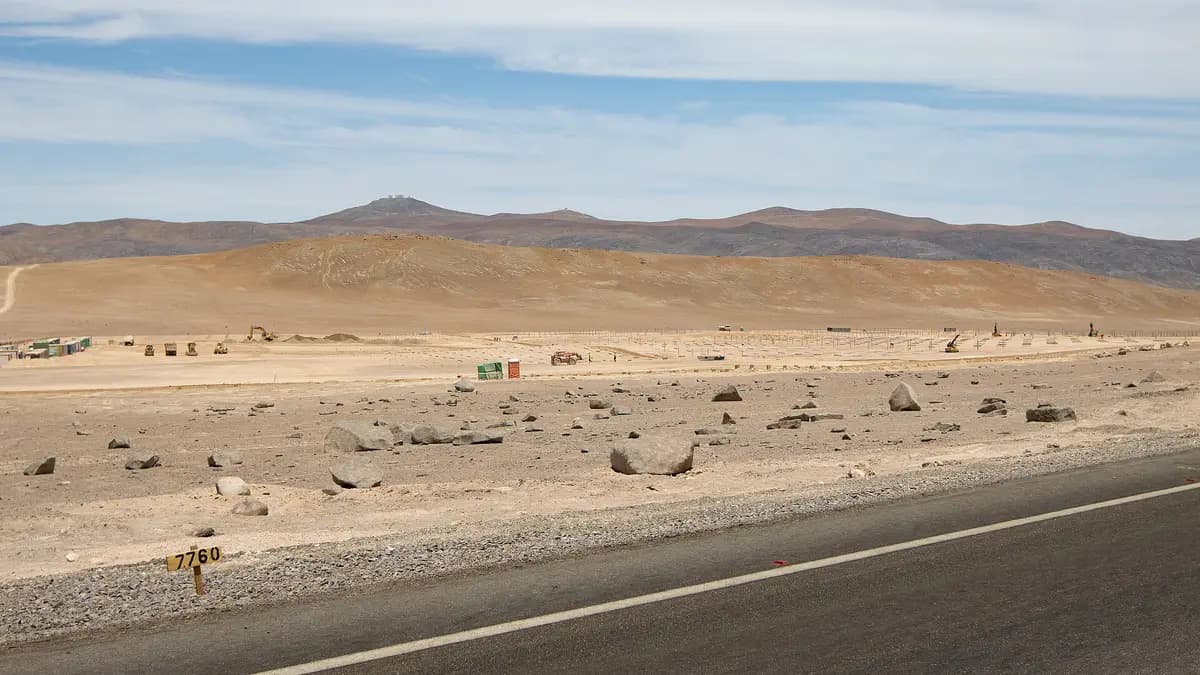
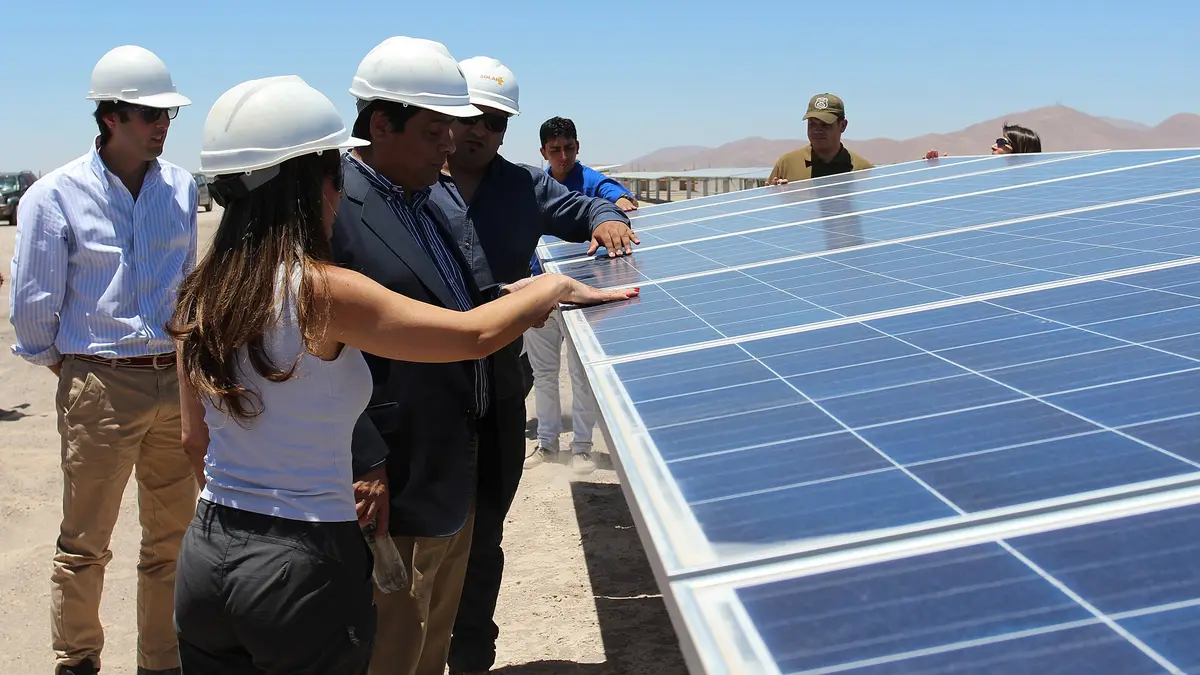
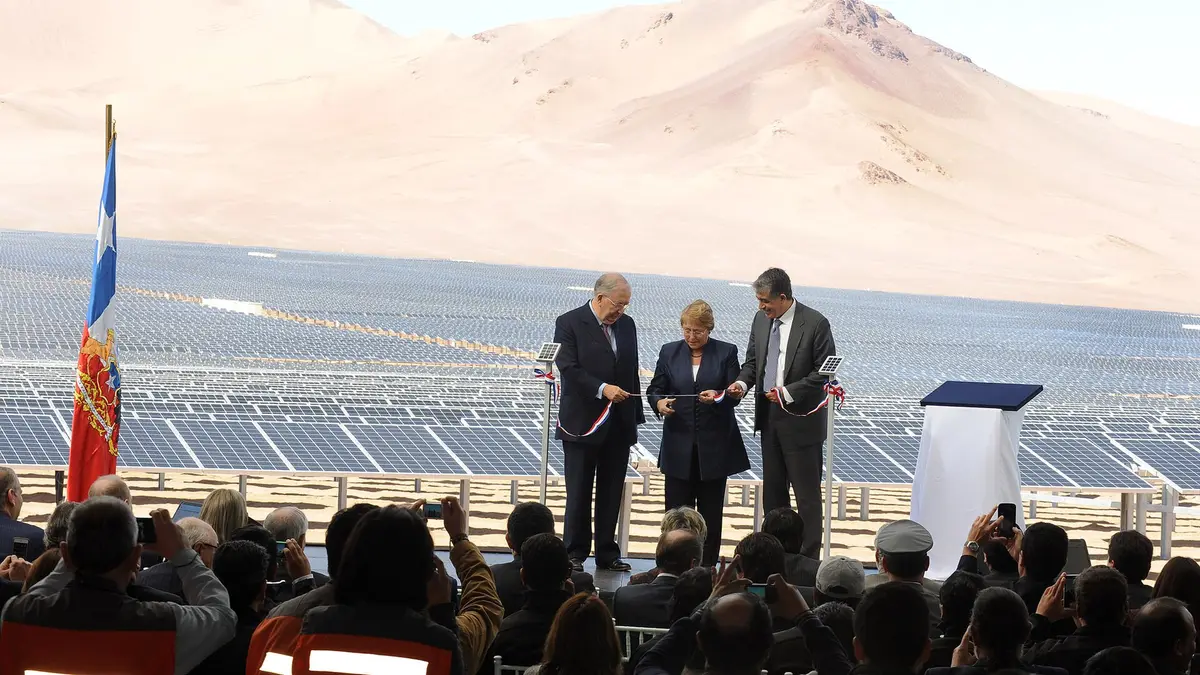
Luz del Norte is a 141 MW (AC) photovoltaic plant located about 58 kilometers northeast of Copiapó, on some 478 hectares. It was built by US-based First Solar, which connected it in stages from 2015, and when it entered operation it was the largest photovoltaic plant in Latin America. In January 2023, First Solar completed its sale to the Toesca Infraestructura II fund, managed by Chilean asset manager Toesca, Diario Estrategia reported.
| Item | Luz del Norte |
|---|---|
| Holder | Parque Solar Fotovoltaico Luz del Norte SpA |
| Owner | Toesca Infraestructura II fund (since January 2023) |
| Capacity | 141 MW AC |
| Location | 58 km northeast of Copiapó, Atacama Region |
| Area | 478 hectares |
| Inverters | 172 |
| Complainant | Coordinador Eléctrico Nacional |
| SEC case file | OP02502-26 |
Sources: Electrominería (October 30, 2026), First Solar and Diario Estrategia. The number of inverters comes from the charges. Much larger parks now operate in the north, as our data sheet on solar energy in Chile in figures shows.
The SEC's two charges against Luz del Norte
Charge 1: a 16% droop instead of 4%
The first charge concerns primary frequency control, a plant's automatic response when grid frequency moves away from 50 Hz, for example when another plant trips suddenly. The key parameter is droop: the lower it is, the stronger the plant reacts. According to the SEC, Luz del Norte ran with a 16% droop, while the 2023 verification tests required 4%. In other words, its response was about four times weaker than required.
The company said it corrected the setting on July 10, 2025, but did not explain why it kept a different value before that date. The SEC treats this as a charge separate from the original complaint, which concerned secondary control.
Charge 2: control, supervision and communications
The second charge targets the systems that let the grid operator monitor and dispatch the plant remotely through automatic generation control (AGC). The SEC concluded that the plant lacks an independent, redundant platform to supervise that control, and that backups, preventive maintenance and signal restoration were deficient.
An audit by Teklink found in September 2026 that communication problems at the substation first observed in June 2023 were still unresolved, including redundancy configuration, administrative access to equipment and fiber-optic connections.
| Period | Communication outages | Hours without link | Availability |
|---|---|---|---|
| September 1-2, 2026 | 97 | 17.4 hours | 95.9% |
| September 7-8, 2026 | 56 | 10.7 hours | 95.8% |
Source: SEC charges, via Electrominería. The telecom service is provided by a third party; the satellite backup contracted for redundancy did not work during those outages. The SEC stressed that hiring an outside provider does not relieve the company of responsibility for the quality of the data it must send to the grid operator.
Why frequency control matters in a grid with more solar power
On a power grid, generation and consumption must match second by second. When they do not, frequency rises or falls, and if it drifts too far from 50 Hz, protections disconnect equipment and can trigger a blackout. That is why the grid operator assigns ancillary services to some plants: power reserves that raise or lower output automatically.
For decades, hydro and thermal plants with spinning turbines did that job. Today, with solar as the country's largest technology by installed capacity, the system needs solar plants and batteries to do it too through their inverters. That is why a plant that does not respond as it should matters more than before. We explain it in our story on how the grid operator's dispatch affects batteries.
The SEC also found the company's evidence insufficient. To prove the protection settings on its 172 inverters, Luz del Norte submitted a template with reference values and screenshots from a single unit. In addition, the findings of an investigation with the inverter supplier, promised within 30 business days in July 2025, were only delivered in September 2026.
What could happen to Luz del Norte
After the defense, the SEC can acquit the company or sanction it. The superintendency's fines are set in annual tax units (UTA) according to the severity of the infraction, but the charges do not mention an amount. The SEC concluded that the limitations between 2020 and 2026 show a sustained pattern, not isolated events, reflecting insufficient maintenance of control and communications infrastructure.
The case adds to tighter oversight of renewable plants. In October, the grid operator reported that the Huatacondo solar plant and its battery had been disconnected for two months after a cyberattack, a case we covered in our story on Huatacondo. In both cases, communications between the plant and the control center appear as a weak point.
Does your company provide operation, maintenance or communications services for solar plants? Reach Energía Futura's readers.
See advertising optionsFrequently asked questions about the charges against Luz del Norte
Who owns Luz del Norte?
Since January 2023, the Toesca Infraestructura II fund, managed by Toesca, which bought 100% of the company from First Solar.
Has the plant been fined?
No. The SEC filed charges, which starts the procedure. The company has 15 business days to respond, and then the regulator will decide whether to sanction or acquit.
What is droop?
It is the parameter that defines how much a plant's output changes when frequency moves. At 4% the reaction is strong; at 16%, as Luz del Norte had according to the SEC, the response is about four times smaller.
Did it affect customers?
The charges do not report supply outages attributable to the plant. They concern the quality of the control services it had to provide to the system.